
Empowering Change: The Evolution and Promise of Cognitive-Behavioral Therapy
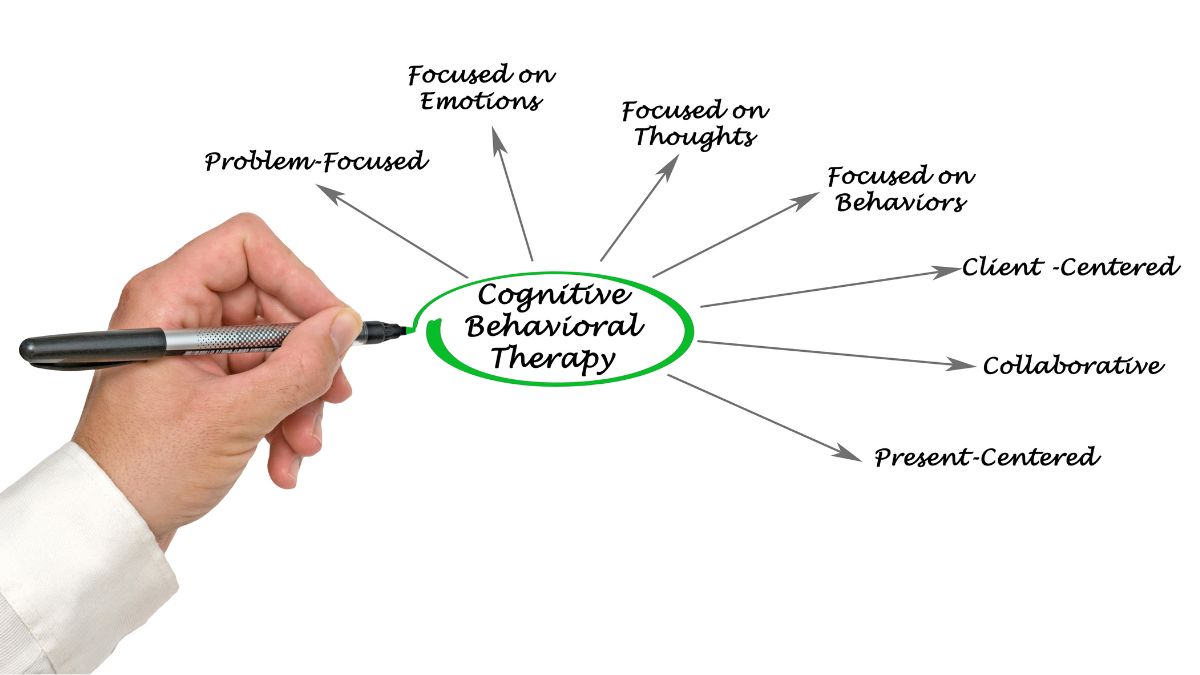
Cognitive-Behavioral Therapy (CBT) is a widely recognized and evidence-based form of psychotherapy that aims to help individuals understand and modify the thoughts, behaviors, and emotions that contribute to their psychological distress. With its roots in both cognitive and behavioral psychology, CBT provides individuals with practical tools and strategies to identify and challenge negative thinking patterns, develop healthier behaviors, and improve overall mental well-being. This article offers a comprehensive overview of the basics of CBT, exploring its theoretical foundations, core techniques, and applications in managing various psychological conditions. Whether you are a mental health professional or someone interested in learning more about CBT, this article will guide you through the fundamental principles and practical aspects of this therapeutic approach.
Introduction to Cognitive-Behavioral Therapy (CBT)
What is Cognitive-Behavioral Therapy?
So, you’re feeling a bit overwhelmed by your thoughts and emotions, huh? Well, fear not, my friend, because Cognitive-Behavioral Therapy (CBT) is here to save the day! CBT is a type of therapy that focuses on the connection between our thoughts, feelings, and behaviors. It’s like the Sherlock Holmes of therapies, always trying to uncover the hidden clues in our minds that lead to our not-so-great behaviors.
The Origins and Development of CBT
CBT may seem like a fancy new therapy, but it has actually been around since the 1960s. It was developed by a couple of clever psychologists, Aaron Beck and Albert Ellis, who noticed that our thoughts have a sneaky way of influencing how we feel and behave. They realized that if we can change our thoughts, we can change our lives. And thus, CBT was born!
Understanding the Cognitive Model in CBT
Overview of the Cognitive Model
Picture this: You’re walking down the street, and suddenly, a dog barks at you. Your heart starts racing, and you feel a surge of panic. But wait a minute, why are you freaking out over a little bark? Well, according to the cognitive model in CBT, it’s not the dog that’s causing your panic – it’s your interpretation of the situation. Our thoughts act like a filter, coloring our experience of the world and influencing how we feel and react.
The Role of Thoughts, Beliefs, and Perceptions in CBT
Our thoughts, beliefs, and perceptions are like the directors of the theater of our minds. They shape how we see ourselves, others, and the world around us. They can be helpful and supportive, like a cheerleading squad, or they can be downright mean and unhelpful, like a group of bullies. CBT helps us identify these unhelpful thoughts and challenge them, so we can rewrite the script and change the outcome.
Exploring the Behavioral Techniques in Cognitive-Behavioral Therapy (CBT)
Behavioral Activation
Think of behavioral activation as your personal cheerleader, encouraging you to get off that couch and start doing things that bring you joy. It’s all about taking action and engaging in activities that boost your mood and give you a sense of accomplishment. So, put down that bag of chips (no judgment, we’ve all been there) and get out there to conquer the world!
Exposure Therapy
Exposure therapy might sound a bit like confronting your worst fears, and well, that’s exactly what it is. It’s like jumping headfirst into a pool of discomfort, but with the intention of making your fears lose their power over you. By gradually exposing yourself to the things that scare you, you can learn to challenge your anxieties and live a life that is not dictated by fear.
Skills Training
Skills training is like signing up for a crash course in life skills 101. It helps you develop new coping strategies and techniques to deal with life’s challenges. Think of it as upgrading your toolbox of skills, so you can handle whatever comes your way. From learning relaxation techniques to improving your communication skills, skills training has got you covered.
Identifying and Challenging Cognitive Distortions
Common Cognitive Distortions
Oh, cognitive distortions, those sneaky little thoughts that mess with our heads! We all have them, but it’s important to recognize them for what they are – unhelpful and inaccurate ways of thinking. Common cognitive distortions include “catastrophizing” (blowing things out of proportion) and “all-or-nothing thinking” (seeing things in black and white). It’s time to expose these distortions and give them a reality check.
Recognizing Cognitive Distortions in Practice
Ever caught yourself thinking, “I’m such a failure” or “Everyone hates me”? Well, congratulations, you’ve just stumbled upon a cognitive distortion! By becoming aware of these distorted thoughts in our day-to-day lives, we can start untangling the web of negativity and self-doubt that they create.
Challenging and Replacing Cognitive Distortions
Once we’ve identified those pesky cognitive distortions, it’s time to challenge them head-on. We can ask ourselves, “Is this thought really accurate?” or “What would a more balanced perspective be?” By replacing our distorted thoughts with more realistic ones, we can free ourselves from the chains of negative thinking and open the door to a healthier mindset.
So, there you have it, the basics of Cognitive-Behavioral Therapy (CBT). Remember, therapy doesn’t have to be all serious and stuffy – it can have a dash of humor and personality too! Now, go forth and conquer those cognitive distortions like the CBT champion you are!
Applying Cognitive Restructuring Techniques in CBT
Developing Cognitive Awareness
Ah, cognitive awareness – the ability to recognize and understand our own thought patterns. Before we can start restructuring our thoughts, we need to be aware of what we’re thinking in the first place. It’s like shining a spotlight on the workings of our mind, but without any judgment (because who needs more judgment in their life?). So, get ready to play detective and start paying attention to those pesky thoughts.
Identifying and Evaluating Automatic Thoughts
Automatic thoughts, those sneaky little ideas that pop into our heads without us even realizing it. We all have them, and they can often be negative and unhelpful. So, it’s essential to catch them in the act, like a superhero foiling a villain’s plans. Once we identify these automatic thoughts, we can then evaluate them, ask ourselves if they’re based on facts or just our overactive imagination.
Restructuring Negative Thought Patterns
Negative thought patterns are like stubborn weeds in the garden of our minds, but fear not, we can prune them! Cognitive restructuring is like gardening for our thoughts. It involves challenging those negative beliefs and replacing them with more realistic and positive ones. We’re essentially becoming our own thought landscapers, shaping our mental landscape into a beautiful paradise (complete with a mini waterfall and maybe a unicorn).
Utilizing Behavioral Activation in CBT
Understanding Behavioral Activation
Behavioral activation is like hitting the refresh button on our lives. It’s about breaking free from the chains of inactivity and finding joy and purpose in our daily activities. We’re not talking about skydiving or climbing Mount Everest (unless that’s your thing), but rather finding small, meaningful activities that bring us happiness and fulfillment.
Setting Goals and Planning Activities
Goal setting and planning activities may not sound thrilling, but they’re key to behavioral activation. It’s like creating a roadmap for our day-to-day existence, with pit stops for joy and accomplishments along the way. So, grab that notebook, pen, and maybe even a glittery sticker or two (because who doesn’t love glitter), and start mapping out your path to a more fulfilling life.
Monitoring and Reinforcing Positive Behaviors
Once we start incorporating new activities into our lives, it’s important to keep track of our progress. Think of it as being your own coach and cheerleader. Monitor your efforts, celebrate your wins, and give yourself a pat on the back (or maybe a victory dance in your living room). By reinforcing those positive behaviors, we’re telling ourselves, “Hey, you’re doing great! Keep it up!”
Managing Anxiety and Depression with CBT
CBT for Anxiety Disorders
Ah, anxiety, the uninvited guest at the party of our lives. But fear not, CBT is here to help. When it comes to anxiety disorders, CBT can be a game-changer. It helps us understand the thoughts and behaviors that fuel our anxiety, and provides practical techniques to challenge those anxious thoughts and face our fears (cue the horror movie music). So, say goodbye to the anxiety monster and hello to a calmer, more confident you.
CBT for Depressive Disorders
Depression often feels like a dark cloud that refuses to budge. But don’t worry, CBT is here to help us find some sunshine. CBT for depressive disorders focuses on identifying and challenging those negative thoughts and behaviors that keep us feeling stuck. It’s like a gentle nudge towards a more positive and fulfilling life. So, let’s kick depression to the curb and embrace a brighter tomorrow.
Addressing Comorbidity and Relapse Prevention
Sometimes, anxiety and depression decide to team up and turn our lives into a never-ending rollercoaster ride. But with CBT, we can address this dynamic duo head-on. CBT helps us navigate the complexities of comorbidity, where two or more conditions coexist, and provides strategies to prevent relapse. So, strap yourself in, because with CBT by your side, you’ll be riding that rollercoaster like a pro.
Evaluating the Effectiveness and Limitations of CBT
Research and Evidence supporting CBT
CBT isn’t just some trendy self-help technique. It’s backed up by research and evidence, like a superhero with a whole arsenal of studies to support its effectiveness. Studies have shown that CBT can be highly beneficial for a wide range of mental health conditions, from anxiety and depression to eating disorders and even chronic pain. So, rest assured, you’re not just jumping on a bandwagon – you’re joining a well-supported movement.
Common Challenges and Limitations in CBT
Nobody’s perfect, not even CBT. Like any therapy approach, it has its limitations and challenges. It may not be a one-size-fits-all solution, and some individuals may find certain aspects of CBT more challenging than others. But hey, that’s okay! The key is finding what works for you and being open to adapting and exploring different strategies. Remember, therapy is a journey, and sometimes we need to take a detour to find our way.
In conclusion, cognitive-behavioral therapy (CBT) serves as a powerful and effective tool for understanding and addressing psychological distress. By empowering individuals to examine and modify their thoughts and behaviors, CBT offers a path towards improved mental well-being and a more fulfilling life. Whether it is managing anxiety, overcoming depression, or addressing other psychological challenges, CBT equips individuals with valuable skills and strategies to navigate their inner world with greater clarity and resilience. As ongoing research and practice continue to refine the approach, CBT remains a valuable resource for individuals seeking to enhance their mental health and overall quality of life.
FAQ
What conditions can Cognitive-Behavioral Therapy (CBT) help with?
CBT has been extensively researched and proven effective in treating a wide range of psychological conditions. It has been successfully used to address anxiety disorders, depression, post-traumatic stress disorder (PTSD), obsessive-compulsive disorder (OCD), eating disorders, substance abuse, and many other mental health issues.
How long does Cognitive-Behavioral Therapy (CBT) typically last?
The duration of CBT treatment can vary depending on several factors, such as the specific condition being treated, the individual’s goals, and their progress throughout therapy. Generally, CBT is considered a short-term therapy, consisting of approximately 10 to 20 sessions. However, the exact length can be tailored to the individual’s needs and can range from a few weeks to several months.
Can CBT be effective for children and adolescents?
Yes, CBT has shown to be beneficial for children and adolescents dealing with various mental health challenges. Therapists who specialize in working with young individuals can adapt CBT techniques to suit their developmental needs. CBT can help children and adolescents manage anxiety, cope with stress, address behavioral issues, and improve their overall emotional well-being.
Do I need to have a therapist to practice CBT?
While working with a trained therapist is often recommended for the best outcomes, there are self-help resources available that can guide individuals in practicing CBT techniques on their own. However, it is important to note that having a therapist provides the advantage of expert guidance, tailored treatment plans, and a supportive therapeutic relationship, which can enhance the effectiveness of CBT.