Transform Your Leadership with Tailor-Made NLP Training for Managers

In the heart of every visionary company pulses the spirit of its leaders, individuals whose words and actions shape the fabric of the workplace, mold its culture, and inscribe its values into the annals of its history. This is why at the core of my practice lies a deeply personal commitment to imbue your leadership with the transformative power of Neuro-Linguistic Programming (NLP).
Embrace the Science of Excellence
For over two decades, tutored by the sage knowledge of John Grinder, I have traversed the nuanced world of NLP. With a torch lit by both scientific expertise and the fiery passion of spiritual principles, I invite you to experience a curated journey through NLP Training created exclusively for Managers—where your unique company ethos is not just understood but is the very linchpin of our methodology.
As a haven for visionary leaders seeking to cultivate a thriving business environment, my NLP training delves into the symbiotic relationship between neurological processes, language patterns, and learned behaviors. Here, the promise of growth and empowerment is not a distant dream but a present reality, one that aligns seamlessly with your organizational principles, culture, and values.
Communication: The Lifeline of Leadership
Communication is the heartbeat of effective leadership. NLP equips you with the linguistic precision and perceptive acuity to connect with your diverse team on a profound level. By tailoring your communication strategies, you can attune to each team member’s perspective, nurturing a sanctuary of understanding and trust that blooms into collective progress and inspiration.
Decisive Clarity for Visionary Influence
In the sacred silence of your mind’s landscape where decisions take root, NLP offers a beacon of clarity. Learning to identify and transcend limiting beliefs strengthens your cognitive resilience, fostering a decisiveness that propels forward-thinking actions and steers your team toward the zenith of effectiveness.
Emotional Intelligence: The Wellspring of Empathy
At the intersection of heart and mind, we find emotional intelligence—the wellspring from which authentic, empathetic leadership flows. NLP hones your ability to delve into the emotional depths, enhancing your capacity to resonate with others’ experiences and embody a presence that is simultaneously strong and tender, authoritative and understanding.
Personal Growth: Cultivating Leadership Rich in Spirit and Expertise
My NLP training is a chrysalis, within which your potential for self-growth and leadership prowess is realized. As you gain self-awareness and confidence, you emerge not only as a manager but as a beacon of hope, inspiring your team and cultivating an organizational culture that is both healthy and substantively rewarding.
Eloquent Art and Science of Tailor-Made NLP Training
Recognizing that your company is a unique entity, I dedicate myself to crafting NLP manuals and training programs that breathe your corporate identity. With personalization at the forefront, the NLP strategies we develop together will be intricately woven into the tapestry of your workplace dynamics, ensuring that your application of NLP is as practical as it is powerful.
An Invitation to Transformative Leadership
Join me in this sacred voyage, a mission to elevate your managerial capabilities beyond the horizon of conventional training. With two decades of passionate coaching, certified expertise, and a consistent record of cultivating leadership excellence, I stand ready to guide you through an NLP Training for Managers experience that promises not just learning but a metamorphosis tailored to the heart and soul of your company.
Your journey to becoming a transformative leader whose influence is rooted in compassion, wisdom, and the formidable power of NLP begins today. Let us embark on this path together, empowering you to lead with an unparalleled blend of precision and passion, strategy, and spirit.
Phone +27 76 033 4191 | WhatsApp +27 76 6980828 | Email: francois@changemylife.co.za
Browse through the information below to expand your knowledge on the importance of NLP in managerial roles
Overcoming Common Management Challenges with NLP Neuro Linguistic Programming Tools and Strategies

Overcoming management challenges requires not only a solid understanding of business operations but also an ability to navigate the complexities of human behavior. This is where Neuro-Linguistic Programming (NLP) can provide valuable support. NLP is a psychological approach that involves analyzing strategies used by successful individuals and applying them to reach a desired goal. It relates thoughts, language, and patterns of behavior learned through experience to specific outcomes.
One of the most common challenges managers face is communication. Effective communication is crucial for a well-functioning team and successful project execution. NLP provides tools and techniques that can enhance communication skills. For instance, the Meta Model in NLP helps managers ask precise questions to get clear information and avoid misunderstandings. The Milton Model, on the other hand, allows leaders to communicate more persuasively, fostering motivation among team members.
Another typical management hurdle is conflict resolution. Conflicts are inevitable in any organization due to differences in perspectives and interests. However, if not handled correctly, they can lead to reduced productivity and low morale. NLP strategies can help managers in this aspect by teaching them how to understand the other person’s viewpoint better, thus enabling them to handle conflicts in a more empathetic and effective manner.
Moreover, NLP can assist managers in dealing with stress and maintaining emotional balance. By using techniques such as anchoring and reframing, leaders can change their responses to stressful situations and maintain a positive outlook. Anchoring involves creating a stimulus-response association that can elicit a certain emotional state on demand. Reframing, on the other hand, allows managers to change their perspective on a situation, transforming negative feelings into positive ones.
Motivating team members is another challenge that managers often face. NLP can provide solutions here too. Techniques like chaining anchors can be used to trigger a series of emotions leading to a desired state of motivation or confidence.
Lastly, decision-making is an integral part of management that comes with its own set of challenges. NLP can aid in enhancing decision-making skills by using strategies like the Disney Strategy. This strategy involves viewing the problem from three different perspectives- the dreamer, the realist, and the critic, thus allowing a comprehensive evaluation of the situation.
In conclusion, NLP tools and strategies can be a significant asset for managers in overcoming common challenges. They offer practical ways to improve communication, resolve conflicts, manage stress, motivate team members, and make better decisions. By incorporating NLP into their management toolbox, leaders can not only enhance their own performance but also foster a more productive and positive work environment.
How NLP Techniques Can Help Managers Improve Communication with Employees

The role of effective communication in the workplace is paramount, particularly for managers who are responsible for guiding teams and ensuring productivity. With the help of Neuro-Linguistic Programming (NLP) techniques, managers can significantly improve their communication skills with employees. NLP, a behavioral technology developed in the 1970s, is a set of guiding principles, attitudes, and techniques about real-life behavior. It allows you to change, adopt or eliminate behaviors, as you desire, and gives you the ability to choose your mental, emotional, and physical states of well-being.
NLP techniques can help managers understand how their employees think and process information. For instance, some people might be visual and need to ‘see’ the big picture to understand a concept, while others might be auditory or kinesthetic. By identifying these patterns, managers can tailor their communication style to meet the individual needs of each employee, thereby improving overall understanding and efficiency.
Moreover, NLP can help managers develop empathy by understanding the employees’ perspective and experience. Empathy can bridge the gap between managers and their teams and foster an environment of trust and loyalty. By using NLP techniques such as mirroring or matching another person’s behaviors, managers can establish rapport with their employees. This technique allows managers to communicate on a deeper level as it involves entering another person’s world to understand them better.
Additionally, NLP techniques can aid in conflict resolution. By understanding the root cause of a problem through careful observation and active listening – key components of NLP – managers can address issues more effectively. They can use reframing techniques to change the way a situation is perceived and encourage a positive response from the team members.
Furthermore, NLP can equip managers with techniques to set clear goals and expectations. Through well-formed outcomes – an essential part of NLP – managers can ensure that objectives are precise, achievable, and understood by all team members. This clarity reduces confusion and increases motivation, leading to higher productivity.
Lastly, NLP techniques can help managers improve their self-awareness. By understanding their own communication patterns and emotional states, managers can make necessary adjustments to improve their communication skills. This self-awareness can also help managers identify any unconscious biases or assumptions that may be affecting their interactions with their team.
In conclusion, the integration of NLP techniques into management communication strategies can bring about significant improvements in team dynamics and productivity. By understanding the employees’ thought processes, developing empathy, resolving conflicts effectively, setting clear goals, and improving self-awareness, managers can foster an environment of open and effective communication. Despite being an often overlooked tool in corporate settings, NLP has the potential to revolutionize workplace communication and lead to more successful and harmonious organizations.
Applying NLP Strategies for Conflict Resolution in the Workplace as a Manager

Neuro-Linguistic Programming (NLP) is a powerful tool that can be utilised by managers to effectively resolve conflicts in the workplace. As a manager, it is crucial to understand that conflicts are inevitable and can occur at any time due to various reasons such as differences in opinion, miscommunication, or competition. However, the way conflicts are managed can greatly impact the overall outcome and productivity of the team. This is where NLP strategies come into play, enabling managers to achieve resolution in a constructive and positive manner.
One of the most effective NLP strategies for conflict resolution is the use of effective communication. In this context, effective communication does not mean simply conveying your message but understanding the varying perceptions and interpretations of each individual involved in the conflict. By understanding how each person perceives the situation, a manager can tailor their communication strategy accordingly, ensuring that everyone feels heard and understood.
Another pivotal strategy is reframing. Reframing involves changing the way a situation or context is perceived to create a more positive outlook. It works by modifying negative beliefs or assumptions into positive ones, thereby changing the dynamics of the conflict. For example, if two employees are in disagreement over a project, rather than focusing on their differences, the manager can reframe the situation by highlighting their common goal and how their diverse perspectives can contribute towards achieving this goal.
Rapport building is another integral strategy in resolving conflicts using NLP techniques. Building rapport doesn’t just mean creating a friendly environment; it involves creating a mutual understanding and respect among team members. It entails closely observing verbal and non-verbal cues of team members and mirroring them to build trust and understanding. This helps to create an environment where individuals feel comfortable expressing their thoughts and feelings, thus promoting open communication which is fundamental in conflict resolution.
Lastly, the use of anchoring, another NLP technique can also be beneficial. Anchoring involves creating a positive emotional state that can be accessed when needed. For instance, a manager can create an environment of positivity and productivity that can be accessed during times of conflict to help diffuse tension and facilitate resolution.
In conclusion, as a manager, employing NLP strategies for conflict resolution can be highly effective. These strategies not only help to resolve conflicts in a manner that is beneficial to all parties involved but also build a more cohesive and productive team. By using effective communication, reframing, rapport building, and anchoring, managers can successfully navigate through conflicts and steer their team towards achieving their common goals.
Utilizing NLP Neuro Linguistic Programming Techniques to Enhance Negotiation Skills as a Manager

Negotiation skills are critical to effective management. In business situations, managers often find themselves in situations where they must negotiate – whether it be with clients, suppliers, employees, or other stakeholders. Effective negotiation can lead to beneficial agreements, positive relationships, and ultimately, the success of your organization. One approach to enhancing these skills is through Neuro-Linguistic Programming (NLP).
NLP is an approach to communication, personal development, and psychotherapy that emphasizes the connection between neurological processes, language, and behavioral patterns learned through experience. It proposes that these can be changed to achieve specific goals in life. Using NLP techniques, managers can enhance their negotiation skills by understanding and influencing the thought processes of their negotiation counterparts.
Firstly, NLP provides a framework for understanding how individuals construct their reality. This can be particularly useful in negotiations where each party may have a different perception of the situation. By understanding the other party’s perspective, managers can tailor their approach to resonate with them and therefore increase the chances of reaching an agreement.
Secondly, NLP teaches the power of language and its impact on our thinking and behavior. By using language effectively, managers can influence the thought processes of others to create a more conducive environment for negotiation. For example, using positive language can foster a more collaborative and less confrontational atmosphere.
Thirdly, NLP encourages the development of rapport by mirroring and matching the other person’s behavior. This can involve matching their body language, tone of voice, or language patterns. By doing this, managers can build trust and understanding with the other party which can facilitate smoother negotiations.
Lastly, NLP techniques also focus on self-awareness and personal development. This aspect is vital for managers as it encourages self-reflection on their negotiation styles and identifies areas for improvement. Through continuous learning and development, managers can improve their negotiation skills over time.
In conclusion, Neuro-Linguistic Programming offers valuable techniques for managers seeking to enhance their negotiation skills. By understanding and influencing thought processes, using language effectively, building rapport, and focusing on personal development, managers can improve their ability to negotiate effectively. Incorporating NLP into your management training could potentially lead to more successful negotiations and beneficial outcomes for your organization.
Enhancing your Emotional Intelligence as a manager Through Neuro-Linguistic Programming
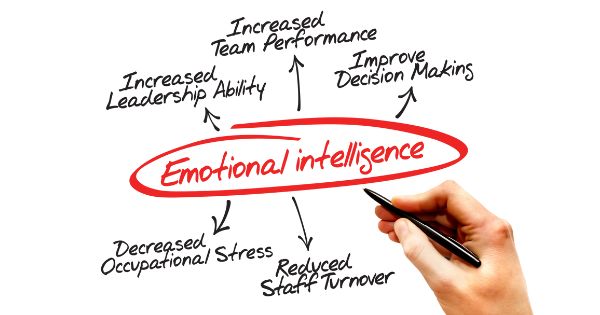
As a manager, emotional intelligence (EI) is an essential skill that contributes significantly to your ability to lead effectively. EI refers to the capability to recognize, understand, and manage not only one’s own emotions but also that of others. It is a determinant in how you handle social complexities, make decisions, and navigate through personal and professional relationships. However, enhancing emotional intelligence does not happen overnight. It requires commitment, practice, and the right tools. One such tool that has gained popularity over the years for its effectiveness in boosting emotional intelligence is Neuro-Linguistic Programming (NLP).
Neuro-Linguistic Programming is a behavioral technology developed by Richard Bandler and John Grinder in the 1970s. It involves understanding human behavior patterns and using that knowledge to create positive change. NLP can be particularly useful for managers seeking to enhance their emotional intelligence as it provides actionable strategies for personal development.
Fundamentally, NLP works by helping you understand how your mind processes information. It teaches you to recognize how your thoughts, words, and actions interact to create your perception of reality. By gaining insights into these processes, you can begin to identify patterns of behavior or thought that may be hindering your emotional intelligence. Once these limiting patterns are identified, NLP provides techniques for altering them or replacing them with more productive ones.
One of the ways NLP can enhance emotional intelligence is by improving self-awareness, a key component of EI. Through techniques like self-reflection and introspection, NLP helps you gain a deeper understanding of your emotions, strengths, weaknesses, and triggers. This heightened self-awareness can lead to better self-management – another aspect of EI – as you learn to control impulsive feelings and behaviors, manage your emotions healthily, and adapt to changing circumstances.
Furthermore, NLP can bolster social awareness, another facet of EI, by teaching you to pick up on emotional cues from others and understand the dynamics of social interactions better. It can also enhance your relationship management skills by equipping you with techniques to develop and maintain good relationships, communicate clearly, influence others, work well in a team, and manage conflict.
Lastly, NLP emphasizes the concept of modeling – observing and replicating the successful behaviors of others. As a manager, this principle can be incredibly useful. By modeling emotionally intelligent leaders, you can assimilate their strategies and techniques, subsequently improving your own ability to lead with empathy and understanding.
In conclusion, enhancing your emotional intelligence as a manager is an ongoing journey. It requires continuous learning and self-improvement. By incorporating Neuro-Linguistic Programming into your personal development arsenal, you can accelerate this process and become a more emotionally intelligent leader – a trait that is increasingly being recognized as a key determinant of managerial effectiveness.
Enhancing Coaching and Mentoring Skills with Neuro-linguistic programming Methods for Managers

Neuro-Linguistic Programming (NLP) is a powerful tool that managers can use to enhance their coaching and mentoring skills. NLP strategies help managers communicate more effectively, motivate their teams, and foster a positive workplace environment. The core of NLP is understanding how people think, learn, and communicate. By mastering these aspects, a manager can guide their team towards achieving their objectives more efficiently.
A fundamental principle of NLP is the recognition that everyone has a unique perspective of the world, shaped by their personal experiences and beliefs. By understanding this, managers can tailor their coaching and mentoring approach to suit each individual’s learning style. This personalized approach can lead to improved performance, increased job satisfaction, and a more harmonious team dynamic.
NLP techniques such as modeling, anchoring, reframing, and rapport building can be particularly beneficial in a coaching or mentoring context. Modeling involves observing and replicating the successful behaviors and thought patterns of others. This technique can be used by managers to demonstrate effective strategies and behaviors to their team members. Anchoring is a method of linking a specific stimulus to a desired response, which can be used to encourage positive behavior and discourage negative behavior.
Reframing involves changing the way a situation is perceived to create a more positive outlook or solution-focused perspective. This technique can help managers guide team members through challenging situations, encouraging them to view obstacles as opportunities for growth rather than hurdles. Rapport building is an essential skill for any manager, helping to establish trust and openness within the team. Through effective rapport building, managers can create an environment where team members feel comfortable sharing ideas, expressing concerns, and seeking guidance.
The application of NLP methods in coaching and mentoring is not limited to individual interactions. They can also be used to improve group dynamics and foster a culture of continuous learning within the team. Through effective coaching and mentoring using NLP techniques, managers can empower their teams to take ownership of their roles, encourage creative problem-solving, and promote a growth mindset.
In conclusion, NLP offers a range of tools and techniques that managers can use to enhance their coaching and mentoring skills. By understanding and applying these methods, managers can facilitate a more effective and harmonious working environment. The benefits of this approach extend beyond improved team performance, leading to greater job satisfaction and personal development for each team member. Therefore, NLP methods should be considered an essential component of any manager’s toolkit for effective coaching and mentoring.
Transforming Communication Styles with Neuro-Linguistic Programming Tools for Managers

In the dynamic world of corporate management, effective communication is pivotal. Managers often grapple with the challenge of conveying messages in a manner that is clear, empathetic, and motivating. Neuro-Linguistic Programming (NLP) tools have emerged as a transformative solution for this challenge, enabling managers to refine their communication styles and foster a more productive and harmonious work environment.
NLP is an approach that primarily focuses on understanding how people perceive the world and how they communicate their experiences. It offers a set of models and principles that allow individuals to understand the structure of human experience. NLP tools are designed to help managers decode the complex web of human communication and utilize this understanding to interact more effectively with their teams.
One of the fundamental ways NLP tools transform communication styles is by promoting active listening. Active listening, the process of fully focusing on, understanding, and responding to a speaker, is a cornerstone of effective communication. NLP tools train managers to pick up subtle cues in conversation, enabling them to respond more thoughtfully and appropriately.
Another key aspect where NLP tools can make a significant difference is in conflict resolution. Miscommunication or misunderstanding can often lead to conflicts in a team setting. By using NLP techniques such as reframing, mirroring, and rapport-building, managers can address conflicts more constructively. They can facilitate open dialogue, promote understanding, and guide their teams towards mutually beneficial solutions.
Moreover, NLP tools offer powerful ways to enhance persuasion skills. In management positions, persuasion is often needed to motivate team members, sell ideas, or negotiate terms. NLP tools provide strategies for building rapport, using influential language patterns, and understanding and addressing people’s underlying needs and motivations.
Further, NLP tools also play a crucial role in self-awareness and emotional intelligence. Managers who are aware of their communication styles and emotions are better equipped to manage their teams effectively. NLP provides techniques for introspection and self-improvement, allowing managers to understand their strengths and areas that need improvement.
In conclusion, NLP tools offer a comprehensive framework for improving communication in management. They equip managers with the skills to listen actively, resolve conflicts effectively, persuade convincingly, and understand themselves better. By leveraging these tools, managers can transform their communication styles, enhance team relationships, and foster an environment conducive to productivity and growth. While the application of NLP tools requires effort and practice, the potential benefits they offer in terms of improved communication and leadership effectiveness are well worth the investment.
Developing Effective Feedback Strategies Using Neuro-Linguistic Programming Principles as a Manager

As a manager, one of the key responsibilities is to provide feedback to team members in order to improve performance, boost morale and foster professional growth. However, merely giving feedback is not enough. It needs to be effective and constructive in nature so that it can bring about the desired changes. To achieve this, managers can leverage the principles of Neuro-Linguistic Programming (NLP), an approach that focuses on understanding how people think and process information, to develop effective feedback strategies.
NLP posits that our language patterns and unconscious biases can influence our behaviors and the way we perceive ourselves and others. By understanding these patterns and biases, managers can frame their feedback in ways that are more likely to be accepted and acted upon by their team members. For instance, using positive language can help create a more receptive mindset in the receiver, enhancing the likelihood of positive behavioral change.
One of the key NLP principles that can be incorporated in feedback strategies is the use of sensory-based language. This involves using words and phrases that appeal to the senses such as sight, sound, touch, taste, and smell. By using such language, managers can make their feedback more vivid and relatable, which can increase its effectiveness.
Another significant NLP technique is the use of reframing. This involves presenting a situation or issue from a different perspective to help alter the receiver’s perception about it. When used properly, reframing can help turn negative feedback into positive learning opportunities.
NLP also emphasizes on setting well-defined, achievable goals. When providing feedback, managers should not only highlight areas for improvement but also help team members set specific goals for achieving these improvements. This can create a sense of purpose and direction, making the feedback more meaningful and actionable.
Finally, it is crucial for managers to demonstrate empathy when giving feedback. This doesn’t mean sugar-coating criticism, but rather understanding and acknowledging the feelings and perspectives of team members. By doing so, managers can foster a supportive environment where feedback is seen as a tool for growth and development rather than a form of punishment.
In conclusion, the principles of NLP can provide a valuable framework for managers to develop effective feedback strategies. By understanding how language and thought processes influence behavior, managers can tailor their feedback in ways that promote positive change and continuous improvement. This not only enhances team performance but also contributes to a healthier, more productive work environment.
Implementing Neuro linguistic programming Techniques for Effective Decision-Making as a Manager
As a manager, effective decision-making is a critical skill that can significantly impact the success of an organization. One innovative approach to refining this skill is through the implementation of Neuro Linguistic Programming (NLP) techniques. NLP, at its core, is about understanding the relationships between how we think (neuro), how we communicate (linguistic), and our patterns of behavior and emotion (programming). When these elements are effectively harnessed, they can significantly enhance the decision-making capabilities of a manager.
NLP techniques offer a range of tools that can enhance a manager’s perception, improve communication and influence decision-making ability. For instance, the Meta Model in NLP can be used to refine the quality of information that a manager receives. By asking specific questions, managers can challenge assumptions, clarify vague statements and uncover hidden chunks of information that may have been overlooked initially. This detailed information can subsequently form a robust base for decision-making.
Another effective technique is the use of perceptual positions, which allows managers to view a situation from different perspectives. By mentally ‘stepping into’ the shoes of others involved in a situation, managers can gain insights into how decisions might affect various stakeholders. This heightened empathy and understanding can lead to more informed and considerate decisions.
NLP also focuses on modeling excellence – that is, identifying and replicating the thought patterns and behaviors of successful people. Managers can use this technique to emulate successful leaders within their industry or organization, thereby adopting decision-making strategies that have proven to be effective.
Furthermore, NLP techniques such as anchoring can be utilized to create positive mental states that facilitate better decision-making. Anchoring involves associating a physical gesture or sensation with a particular mental state – for example, clenching a fist while feeling confident. When faced with a challenging decision, recreating this gesture can help evoke the associated mental state, thereby providing a psychological boost.
To conclude, implementing Neuro Linguistic Programming techniques can significantly enhance the decision-making abilities of a manager. By refining the quality of information received, viewing situations from different perspectives, modeling excellence, and creating positive mental states, managers can make more informed, effective decisions. However, it’s worth noting that while NLP can provide valuable tools, it is not a silver bullet solution. Like any other skill, effective decision-making requires ongoing practice and refinement.
Increasing productivity amongst your employees by utilizing NLP tactics as a manager

As a manager, one of your primary responsibilities is to ensure that your team is working efficiently and productively. With the increasing complexity of tasks and projects in today’s dynamic work environment, it’s crucial to implement innovative strategies that not only increase productivity but also boost employee morale and job satisfaction. One such strategy is the use of Neuro-Linguistic Programming (NLP) techniques.
NLP is an approach to communication and personal development that focuses on the connection between mind, language, and behavior. It’s a powerful tool that can be used to enhance interpersonal communication, influence, and persuasion techniques, which are essential skills for any manager. When appropriately applied, NLP tactics can significantly improve team productivity by enhancing communication, boosting motivation, fostering positive work attitudes, and promoting personal and professional growth amongst employees.
Effective communication is a key factor in increasing productivity amongst employees. NLP provides a framework to understand and respond effectively to others’ verbal and non-verbal cues, thus promoting clear and constructive communication. As a manager, mastering these techniques can help you articulate your expectations more clearly, resolve conflicts more effectively, and create an environment where everyone feels heard and understood. This can result in fewer misunderstandings and mistakes, leading to increased efficiency and productivity.
Motivation is another critical aspect of productivity. NLP tactics can be used to understand what motivates each member of your team. By recognizing individual motivations, you can assign tasks that align with each employee’s interests and strengths, thereby increasing their engagement and output. Furthermore, NLP techniques like anchoring and future pacing can be used to create positive associations with work and instill a sense of purpose in employees, further boosting their motivation levels.
NLP can also enable managers to foster positive work attitudes amongst their teams. By using NLP techniques like reframing, managers can help employees view challenges as opportunities for growth rather than obstacles. This shift in perspective can lead to increased resilience, a positive work attitude, and consequently, higher productivity.
Lastly, NLP can promote personal and professional growth amongst employees. Through techniques like modelling and coaching, managers can help their team members identify their strengths and areas for improvement, set realistic goals, and develop strategies to achieve them. This not only enhances their professional skills but also increases their confidence and job satisfaction, which can significantly impact productivity.
In conclusion, as a manager, utilizing NLP tactics can be a game-changer in your bid to increase productivity amongst your employees. By enhancing communication, boosting motivation, fostering positive work attitudes, and promoting personal and professional growth, NLP can create a conducive work environment that encourages efficiency and productivity. Therefore, investing time in mastering NLP techniques can yield substantial returns in the form of a motivated, efficient and productive team.
Using NLP Neuro Linguistic Programming Techniques to Enhance Leadership Skills in Managers
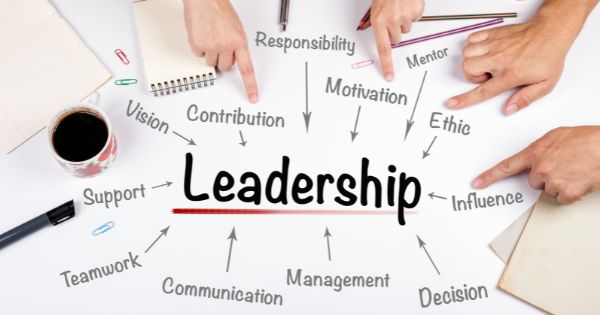
Neuro Linguistic Programming (NLP) is a powerful tool that can significantly enhance leadership skills in managers. It offers a set of psychological techniques that help leaders improve their communication, decision-making, and problem-solving abilities. The application of NLP in leadership development is not only advantageous for the individual but also has profound implications for team performance and overall organizational success.
A key aspect of NLP focuses on modeling, the process of observing and replicating successful behavior. By modeling excellent communicators and leaders, managers can adopt successful patterns of thought, behavior, and communication. This can lead to improved interpersonal skills, increased confidence, and a greater capacity to influence others. NLP techniques such as anchoring, reframing, and belief change can help managers develop a positive mindset, overcome limiting beliefs, and respond more constructively to challenges.
Another crucial component of NLP is its emphasis on sensory acuity and rapport building. Sensory acuity refers to the ability to notice subtle cues in others’ verbal and non-verbal communication. By developing this skill, managers can become more attuned to their team’s needs and emotions, enabling them to respond more effectively. Similarly, the ability to build rapport – a cornerstone of NLP – allows managers to establish strong relationships with their teams, fostering trust, cooperation, and mutual respect.
Moreover, NLP can enhance decision-making skills by helping managers understand how they process information and make decisions. Through techniques such as meta-modeling and perceptual positions, managers can gain insights into their thinking patterns and perspectives. This self-awareness can lead to better decision making by encouraging managers to consider different viewpoints and avoid cognitive biases.
NLP also provides tools for effective goal setting and strategic planning. The well-formed outcomes technique helps managers set clear, achievable goals that are congruent with their values and the organization’s mission. Similarly, timeline techniques enable managers to visualize their goals along a timeline, facilitating strategic planning and time management.
In conclusion, Neuro Linguistic Programming provides a potent toolkit for enhancing leadership skills in managers. By applying NLP techniques, managers can develop their communication, decision-making, and problem-solving skills, cultivate positive mindsets, build strong relationships with their teams, make better decisions, and effectively plan for the future. It is a practical and versatile approach that not only benefits individual managers but also contributes to the overall success of their teams and organizations.
The Role of Neuro-Linguistic Programming in Effective Management

Neuro-Linguistic Programming (NLP) is an essential tool for effective management in today’s rapidly evolving corporate environment. It is a psychological approach that involves understanding people’s mental processes, behaviors, and communication patterns to improve individual and group performance. Employing NLP strategies in management practice can lead to significant enhancements in the efficiency and effectiveness of organizational operations.
The core principle of NLP is that an individual’s thoughts, feelings, and behaviors are all interconnected. By understanding these connections, managers can influence their team’s attitudes, enhance their communication skills, and motivate them towards achieving the organization’s objectives. NLP provides managers with the tools to understand the unique perspectives, motivations, needs, and communication styles of their team members. This understanding allows managers to tailor their approach to each individual, leading to a more effective management style.
One critical area where NLP plays a significant role is in decision making. Good management often comes down to making the right decisions at the right time. NLP techniques can help managers understand their thought processes and biases better, leading to more informed and balanced decisions. For example, NLP can help managers identify patterns in their decision-making processes that may be unproductive or counterproductive, allowing them to adjust their approach for better outcomes.
Communication is another crucial aspect of effective management where NLP can provide significant benefits. Communication breakdowns can lead to misunderstandings, conflicts, and inefficiencies. By employing NLP techniques, managers can enhance their listening skills, develop empathy, and communicate their ideas more effectively. With improved communication skills, managers can build stronger relationships with their team members, leading to improved morale and productivity.
Furthermore, NLP can be instrumental in conflict resolution within a team or business setting. Understanding the perspectives of different parties involved in a conflict allows for more effective problem-solving strategies. By using NLP techniques, managers can identify the root cause of conflicts and address them directly rather than merely addressing the symptoms.
Finally, NLP can play a crucial role in personal development and leadership. By understanding their thought processes, managers can identify areas for improvement, set personal goals, and develop strategies to achieve them. This self-awareness and self-improvement can lead to more confident and effective leadership, inspiring the team to achieve greater heights.
In conclusion, Neuro-Linguistic Programming plays a pivotal role in effective management. From enhancing decision-making skills to improving communication and resolving conflicts, NLP provides a robust toolkit for managers. However, like any tool, it requires practice and commitment to master. With regular application and refinement, NLP can significantly contribute to management effectiveness and organizational success.
Managing Difficult Conversations Effectively as a Manager with the Help of Neuro Linguistic Programming

As a manager, one of the most challenging aspects of the role can often be managing difficult conversations. Whether it’s providing constructive feedback, addressing underperformance, or navigating conflicts within a team, such conversations can be tricky and emotionally charged. However, there are techniques and methodologies that can aid in navigating these conversations more effectively, one of which is Neuro-Linguistic Programming (NLP).
NLP is an approach to communication, personal development, and psychotherapy that helps individuals understand and change their thought processes and behaviors. It involves understanding the relationship between language, cognitive patterns, and behaviors. Using NLP techniques can make challenging conversations less daunting and more productive by enabling managers to communicate more effectively, build rapport, and manage their own reactions in high-stress situations.
One key aspect of NLP is its focus on positive communication and reframing negative situations in a more positive light. For instance, instead of highlighting an employee’s shortcomings or failures, a manager using NLP might focus on how they can improve or develop. This approach not only reduces the negativity associated with the conversation but also encourages a growth mindset among employees.
Another critical element of NLP is its emphasis on understanding others’ perspectives. By learning to listen actively and empathetically, managers can gain insights into their team members’ viewpoints and emotions. This understanding allows managers to tailor their communication in a way that resonates with the individual, leading to more effective discussions.
Furthermore, NLP techniques can assist managers in managing their own emotional reactions during difficult conversations. Emotional self-regulation techniques such as anchoring and reframing can enable managers to remain calm and composed during stressful situations, thereby leading the conversation more effectively.
Lastly, building rapport is another essential aspect of effective communication that NLP promotes. By mirroring body language, tone of voice, and language patterns, managers can build trust and understanding with their team members. This rapport makes difficult conversations easier as it creates a safe space for open and honest communication.
In conclusion, managing difficult conversations is an integral part of a manager’s role, and using NLP can significantly enhance their effectiveness in this area. By focusing on positive communication, understanding others’ perspectives, managing their emotional reactions, and building rapport, managers can turn challenging conversations into opportunities for growth and development. Therefore, integrating NLP techniques into management practices can lead to more effective communication, improved team relationships, and ultimately, a more productive work environment.
How Neuro Linguistic Programming Can Improve Managerial Communication

Neuro-Linguistic Programming (NLP) is a powerful tool that has the potential to significantly enhance a manager’s communication skills. This method of understanding human behavior, thought processes, and patterns has been used in various fields, including business and management, to improve interpersonal communication and facilitate more effective working relationships.
In essence, NLP is about modeling excellence, improving communication, and creating positive change. It offers a set of techniques and methods that enable individuals to understand how they think, feel, and behave. With this understanding, they can then modify their actions or reactions to achieve desired outcomes.
One way in which NLP can enhance managerial communication is by improving the manager’s ability to understand and effectively respond to the needs of their team members. NLP helps managers recognize the different ways in which individuals process information and communicate. Some people are visual, some are auditory, while others are kinesthetic. By understanding these preferences, managers can tailor their communication style to suit each team member, thereby enhancing understanding and rapport.
NLP also provides tools for effective goal setting and problem solving, both of which are critical skills in management. Through techniques such as the well-formed outcome process, managers can help their teams set specific, measurable, achievable, relevant, and time-bound (SMART) goals. This improves clarity and focus, leading to increased productivity.
Additionally, NLP enhances a manager’s ability to influence and persuade others. The Meta Model, one of the core models of NLP, provides a framework for challenging and expanding the limits of a person’s model of the world. By using this model, managers can help their team members overcome limiting beliefs or behaviors that may be hindering their performance.
Moreover, NLP can help managers become more effective listeners. Active listening is a crucial part of effective communication, enabling managers to fully understand their team members’ ideas or concerns before responding. NLP techniques such as mirroring and pacing can help managers develop this skill, leading to better relationships and more productive interactions.
NLP also fosters a greater understanding of the role of emotions in communication. By understanding their own emotional responses and those of their team members, managers can manage conflicts more effectively, build stronger relationships, and create a more positive working environment.
In conclusion, Neuro-Linguistic Programming can significantly enhance managerial communication by providing tools and techniques for understanding and influencing human behavior. It can help managers to communicate more effectively, set clear goals, solve problems efficiently, influence others, listen actively, and manage emotions. By incorporating NLP principles and techniques into their management practices, managers can lead more effectively and foster a more productive and positive working environment.
Leveraging neuro linguistics programming to overcome obstacles in project management

Neuro-Linguistic Programming (NLP) is a unique approach to communication and personal development that can be leveraged to overcome obstacles in project management. This psychological approach focuses on the connection between neurological processes, language, and behavioral patterns learned through experience, asserting that these three elements can be altered to achieve certain goals. In the context of project management, NLP can provide critical insights into how team members think, react and behave, thus enabling project managers to address challenges more effectively.
Project management invariably involves managing people and their responses to various situations. This is where NLP can prove instrumental. It can help project managers understand the unique perspectives of team members, their motivations, fears, and values. By comprehending these factors, project managers can create strategies that resonate with the team, ensuring better cooperation and collaboration. For instance, if a team member is resistant to change due to fear of the unfamiliar, NLP techniques can enable project managers to communicate the benefits of change in a way that assuages this fear.
Moreover, NLP can enhance a project manager’s communication skills. Effective communication is arguably the most vital aspect of project management as it ensures that all stakeholders have a clear understanding of the project’s objectives, tasks, and progress. NLP emphasizes the importance of using positive language to influence behavior and outcomes positively. Project managers can use this technique to motivate team members, encourage creativity and innovation, and foster a positive work environment.
Another significant advantage of leveraging NLP in project management is its potential for conflict resolution. Conflicts are inevitable in any project, and dealing with them appropriately is crucial for maintaining team harmony and achieving project goals. NLP provides tools for understanding the underlying causes of conflict and strategies for resolving them in a manner that is agreeable to all parties involved.
NLP also promotes the development of leadership skills. It encourages self-awareness and introspection, enabling project managers to understand their strengths and weaknesses better. This understanding can lead to personal growth and improved leadership abilities, which in turn can contribute to more successful project outcomes.
In conclusion, Neuro-Linguistic Programming can be a powerful tool for overcoming obstacles in project management. Its emphasis on understanding and influencing human behavior can enable project managers to manage their teams more effectively, communicate more clearly, resolve conflicts, and improve their leadership skills. By leveraging NLP, project managers can not only overcome obstacles but also enhance their team’s productivity and morale significantly.
The Influence of Neuro-Linguistic Programming on Effective Delegation Practices in Management

Neuro-Linguistic Programming (NLP) has emerged as a powerful tool in the field of management, specifically in enhancing effective delegation practices. Delegation, a critical skill for managers at all levels, is a process of distributing tasks and responsibilities to team members or subordinates. Adequate delegation not only reduces the workload of a manager but also helps in the development of team members. However, successful delegation requires more than just assigning tasks; it requires effective communication, understanding of individual capabilities, and establishing a sense of trust and accountability. This is where NLP comes into play.
NLP is the practice of understanding how people organise their thinking, feeling, language and behaviour to produce the results they do. It provides managers with strategies and techniques for rapid change in their personal self and in working with other people. By applying NLP principles to delegation practices, managers can improve their ability to communicate effectively, understand team member capabilities better, and foster a stronger sense of responsibility and accountability.
The influence of NLP on effective delegation practices begins with communication. NLP suggests that we all have different ways of processing information and understanding the world around us. By recognizing these differences, managers can tailor their communication to suit each team member’s preferred style of information processing. This ensures that tasks and responsibilities are clearly understood, reducing the chance of misunderstandings or miscommunications.
In addition to improving communication, NLP offers insights into understanding individual capabilities. Through techniques such as modelling and reframing, NLP helps managers gain a deeper understanding of their team members’ skills, abilities, and potential. This allows managers to delegate tasks more effectively, aligning responsibilities with the strengths and potential of each team member.
Moreover, NLP reinforces the importance of building rapport and establishing trust in effective delegation. By using NLP techniques to build strong relationships with team members, managers can foster an environment where staff feel valued, trusted, and accountable for their tasks. This not only improves the likelihood of successful task completion but also enhances overall team morale and productivity.
In conclusion, the influence of Neuro-Linguistic Programming on effective delegation practices in management is significant and multi-dimensional. By improving communication, enhancing understanding of individual capabilities, and building trust, NLP provides a robust framework for effective delegation. By adopting NLP principles and techniques, managers can enhance their delegation practices, leading to improved team performance and productivity.
The Advantages of (NLP) Neuro Linguistic Programing Training for Managers
The world of management is increasingly dynamic and complex, demanding new skills and competencies from managers to navigate the evolving business landscape. One such competency is Neuro Linguistic Programming (NLP), which is gaining traction as a valuable tool for managers in various industries. The benefits of NLP training for managers are manifold, encompassing improved communication, enhanced decision-making skills, and heightened emotional intelligence.
At its core, NLP is a method of influencing brain behavior (neuro) through the use of language (linguistic) and other types of communication to enable a person to recode the way they respond to stimuli (programming) and manifest new and better behaviors. This methodology is particularly beneficial for managers who need to communicate effectively with diverse teams, manage conflicts, influence others, and drive performance.
One of the primary advantages of NLP training for managers is its potential to enhance communication skills. Managers often face the challenge of conveying ideas, expectations, and feedback clearly and effectively to their team members. NLP tools can help them understand how people interpret information differently based on their unique perceptions and experiences. This understanding can enable managers to tailor their communication to the individual needs and preferences of their team members, fostering greater comprehension, collaboration, and trust within the team.
Another notable benefit of NLP training is its impact on decision-making. Managers are constantly required to make decisions that can have significant implications for their teams and organizations. NLP can equip them with strategies to manage their thought processes more effectively, enabling them to make more informed, rational, and effective decisions. For instance, NLP techniques can help managers identify and challenge limiting beliefs and assumptions that can cloud judgment and hinder effective decision-making.
NLP training can also enhance a manager’s emotional intelligence – a critical competency in today’s business world. Emotional intelligence involves the ability to understand, manage and use emotions effectively in interpersonal interactions. NLP techniques can help managers gain deeper insights into their own emotions and those of others. This can enable them to manage their emotions more effectively, respond more empathetically to the emotions of others, and build stronger, more productive relationships with their team members.
In addition to these benefits, NLP training can also foster personal growth and professional development. By helping managers gain a better understanding of themselves and others, NLP can enhance their self-awareness, self-confidence, and overall leadership effectiveness. This can not only lead to improved performance and job satisfaction but also contribute to a healthier, more positive organizational culture.
In conclusion, the advantages of NLP training for managers are extensive and multifaceted. By enhancing communication, decision-making skills, emotional intelligence, and personal growth, NLP can empower managers to lead more effectively in today’s complex and dynamic business environment. As such, organizations that invest in NLP training for their managers can expect significant returns in terms of improved team performance, organizational effectiveness, and overall business success.
Read More: Sales Training Teachings | Christian NLP Coaching | Popular Coaching Niches | Techniques
Coach Directory | Linked | Academy of Influence | FJVR | Fire| Instagram | Campsite| Speaker| Reader