Beyond Traditional Coaching: Exploring Cutting-Edge Techniques and Methodologies

From a tender age, my curiosity and thirst for knowledge were evident. I was incessantly questioning the status quo, seeking the rationale behind actions, and yearning to understand how things work. While many perceived this as rebelliousness, it was merely my intrinsic need to make sense of the world around me. This profound interest in understanding human behavior, coupled with my quest for knowledge, eventually led me to the world of life coaching. Over the past two decades, I have been engrossed in exploring various life coaching techniques and methodologies, seeking to master the art and science of human behavior modification.
Life coaching is a powerful tool for change. It is a process that involves various techniques and methodologies aimed at helping individuals identify their goals, overcome obstacles, and make significant changes in their lives. However, life coaching is not a one-size-fits-all approach. It requires a deep understanding of human behavior and the ability to adapt different methodologies to meet individual needs.
Having spent more than 20 years in this field, I have had the privilege of studying, practicing, and witnessing the transformative power of various life coaching techniques and methodologies. For instance, cognitive-behavioral coaching focuses on helping clients change their patterns of thinking and behavior. Solution-focused coaching, on the other hand, emphasizes finding solutions in the present time and exploring one’s future hopes and aspirations rather than focusing on past experiences.
Moreover, neuro-linguistic programming (NLP) is another effective technique that involves understanding how people organize their thinking and emotions to produce desired results. Then there’s mindfulness-based coaching where mindfulness practices are incorporated into the coaching process to enhance self-awareness and emotional intelligence.
These are just a few examples of the myriad of life coaching techniques and methodologies that I have explored throughout my career. Each technique and methodology has its strengths and is suitable for different situations and individuals. As a life coach, my role is to select the most appropriate approach based on an individual’s unique circumstances, goals, and personality.
This page serves as a platform for sharing my insights into the world of life coaching with my clients and readers. It offers an overview of various life coaching techniques and methodologies that can help individuals transform their lives. My hope is that by sharing my knowledge and experiences, I can inspire others to embark on their journey of self-discovery and personal growth.
The following is a rundown of techniques and methodologies that feature prominently in my Practice:
Cognitive-Behavioral Therapy (CBT)
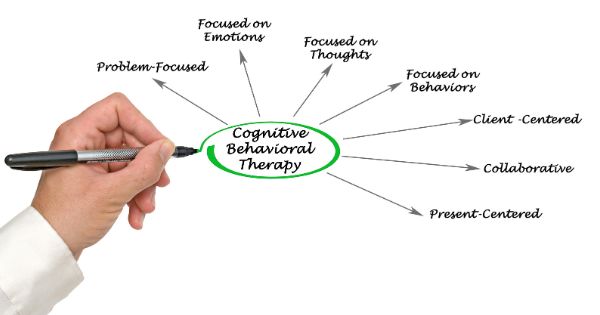
Cognitive-Behavioral Therapy (CBT) is a form of psychotherapy that focuses on changing the thought patterns and behaviors that are causing problems in a person’s life. The therapy is based on the concept that our thoughts, feelings, and behaviors are all interconnected, and changing one can impact the others. It is an evidence-based approach, meaning it has been researched extensively and found to be effective for a variety of mental health disorders, including depression, anxiety, and post-traumatic stress disorder (PTSD), among others.
CBT operates on the premise that negative or dysfunctional thinking patterns lead to negative emotions and behaviors. Therefore, the goal of the therapy is to teach clients to recognize their harmful thought patterns, evaluate their validity, and replace them with healthier ones. The behavioral component of the therapy involves changing harmful or unhelpful behaviors through techniques like role-playing, relaxation methods, or exposure therapy.
In Cognitive-Behavioral Therapy (CBT), the therapist and client work collaboratively to identify the client’s goals and develop a treatment plan. Sessions are usually structured, and homework assignments may be given to help the client practice new skills between sessions. The duration of therapy can vary depending on the individual’s needs and the nature of their problem, but it typically involves a short-term treatment approach.
This type of therapy is not only problem-focused but also action-oriented. It empowers individuals to take control of their own mental health by teaching them skills that they can apply to their daily lives. By learning to identify and change maladaptive thought patterns and behaviors, individuals who undergo CBT can experience significant improvements in their mood and overall quality of life.
Emotionally Focused Therapy (EFT)

Emotionally Focused Therapy (EFT) is a short-term form of therapy that focuses on adult relationships and attachment/bonding. The therapist and clients look at patterns in the relationship and take steps to create a more secure bond and develop more trust to move the relationship in a healthier, more positive direction. Primarily used with couples, EFT has also been found effective when used with families.
EFT is based on the premise that human emotions are connected to human needs, and therefore emotions have an innately adaptive potential that, if activated and properly ordered, can help individuals change problematic emotional states or unwanted self-experiences. Emotions are viewed as inherently valuable, and offer a guide to individual choice and decision making. Consequently, one of the aims of Emotionally Focused Therapy is to coach clients to better identify, experience, explore, make sense of, transform and flexibly manage their emotional experiences.
EFT uses the concept of a “safe haven” and “secure base” to help couples build trust and emotional security within their relationships. Couples learn how their actions can be destructive and how they can work towards creating a positive cycle instead. The goal is to foster a secure bond between partners where each one feels safe and loved.
Emotionally Focused Therapy (EFT) also helps individuals understand their own emotional responses and needs. By acknowledging these feelings, individuals can better manage them and improve their interactions with others. This therapy can be particularly beneficial for those struggling with anxiety or depression, as it helps individuals develop healthier coping mechanisms and strategies for dealing with stress.
In conclusion, EFT presents an empirically validated model that integrates intrapsychic and interpersonal perspectives and provides a comprehensive approach to understanding the dynamics of relationship troubles. Its focus on emotion as a target of change allows clinicians to intervene effectively in key moments of relational distress.
Gottman Method Couples Therapy

The Gottman Method Couples Therapy is a therapeutic approach designed to help couples improve their relationship by developing better understanding, empathy, and connectivity. Developed by Drs. John and Julie Gottman, renowned clinical psychologists and researchers, this method is based on the Sound Relationship House Theory and their extensive research on marital stability and divorce prediction.
The Gottman Method Couples Therapy is grounded in the idea that healthy relationships are built on a strong foundation of friendship, shared meaning, and mutual respect. It employs a variety of therapeutic strategies to help couples cultivate these aspects in their relationship. The therapy involves an assessment process which includes an evaluation of the couple’s relationship history, individual backgrounds, and the current issues they are facing.
The goal of Gottman Method Couples Therapy is not just conflict resolution but also fostering closeness and understanding between partners. It focuses on improving communication, managing conflict effectively, deepening friendship and intimacy, and creating shared meaning. The therapy helps couples to replace negative conflict patterns with positive interactions and to repair past hurts.
One of the unique aspects of the Gottman Method is its emphasis on empirical data. The therapists employ a range of research-based interventions derived from the Gottmans’ in-depth studies involving thousands of couples over decades. This method is internationally recognized for its effectiveness in strengthening couples’ relationships and is widely used by therapists around the world.
In summary, Gottman Method Couples Therapy is a scientifically-grounded approach that aims to help couples build healthier relationships based on mutual understanding, respect, and shared meaning. Its ultimate goal is to create stronger bonds between partners, enabling them to navigate life’s challenges together.
Solution-Focused Therapy

Solution-Focused Therapy (SFT) is a type of therapeutic approach that primarily concentrates on finding solutions in the present time and exploring one’s hope for the future to find quicker resolution of one’s problems. This type of therapy deviates from traditional forms of treatment that typically focus on the past and the origin of problems. Instead, it emphasizes what is going well, amplifying strengths and abilities, and how these can be utilized to overcome current issues.
Solution-Focused Therapy is grounded in the belief that individuals have the necessary skills and expertise to generate solutions, often requiring only minimal assistance to activate these strengths by focusing on problem-solving. This therapy encourages a shift from talking about problems to talking about solutions. SFT considers the future – what the individual wants to achieve – as a means of overcoming present difficulties.
The process typically involves the therapist asking clients to envision their desired future, then collaboratively strategizing to identify and amplify existing resources, strengths, and skills, and utilizing them in new ways to achieve this vision. The focus is on creating a positive mindset that empowers individuals to navigate challenges effectively.
In conclusion, Solution-Focused Therapy is a goal-directed, collaborative approach to psychotherapeutic change that is conducted through direct observation of clients’ responses to a series of precisely constructed questions. It offers an alternative framework for therapists, enabling them to focus on individuals’ strengths and resources, rather than becoming entangled in exploring the root causes of their problems. This action-oriented approach aims to foster change by helping clients visualize their future without present problems and to identify the necessary steps to achieve this outcome.
(NLP) Neuro Linguistic Programming
Neuro Linguistic Programming (NLP) is a psychological approach that involves analyzing strategies used by successful individuals and applying them to reach a personal goal. It relates thoughts, language, and patterns of behavior learned through experience to specific outcomes. Proponents of NLP assume all human action is positive, so if a plan fails or the unexpected occurs, the experience is neither good nor bad—it simply presents more useful information.
Developed in the 1970s by co-founders Richard Bandler and John Grinder, NLP proposes that people view the world through sensory experiences. They argue that our minds, bodies, emotions and actions all interrelate to shape our perspectives. This model suggests that by understanding how we interpret our experiences, we can adapt our thought patterns and behaviors to achieve more positive results and outcomes.
NLP has been applied in various contexts including business environments, where it is used to enhance leadership, sales, team management and communication. It is also applied in sports coaching to improve performance, in education to better learning strategies and in personal development fields for skills such as assertiveness, confidence building and managing stress.
However, it’s also worth noting that Neuro Linguistic Programming has faced criticism for lack of empirical evidence in supporting its concepts and effectiveness. Despite this, NLP continues to be popular due to its focus on self-determination and its usefulness as a framework for thinking about personal development.
In conclusion, Neuro Linguistic Programming (NLP) is an approach to communication and personal development that seeks to modify thought patterns and behaviors for more positive outcomes. It’s a practical skillset that helps people understand themselves better, improve their communication with others and develop strategies for achieving their goals.
Cognitive-Behavioral Coaching

Cognitive-Behavioral Coaching (CBC) is a scientifically validated approach to coaching that merges cognitive and behavioral principles and techniques. This approach is rooted in cognitive-behavioral psychology, a field that emphasizes the role of thinking patterns and attitudes in influencing behavior. Cognitive-Behavioral Coaching applies this understanding to the coaching relationship, enabling individuals to identify, challenge, and change unhelpful thought patterns, attitudes, and behaviors.
The hallmark of Cognitive-Behavioral Coaching is its focus on the present and the future. While CBC acknowledges the influence of past experiences on current behavior, it primarily is concerned with enabling individuals to develop new, more adaptive ways of thinking and behaving. Thus, it is solution-focused and goal-oriented. Coachees are encouraged to set realistic goals and devise practical strategies to achieve them.
A central tenet of Cognitive-Behavioral Coaching is that our thoughts influence our emotions and behaviors. Consequently, by changing our thought patterns, we can alter our feelings and actions. This makes CBC a powerful tool for personal development and change. It is widely used in many contexts including business, education, health, and sports coaching.
Further, Cognitive-Behavioral Coaching distinguishes itself through its emphasis on evidence-based practices. Coaches draw on a wealth of research from cognitive-behavioral psychology to inform their coaching strategies. This ensures that the techniques used in CBC are not only effective but also scientifically supported.
In summary, Cognitive-Behavioral Coaching is an effective, evidence-based approach to coaching that focuses on enabling individuals to change unhelpful thoughts and behaviors. By doing so, it helps individuals achieve their goals and improve their performance in various areas of life.
Solution-Focused Coaching

Solution-Focused Coaching is a future-oriented, goal-driven approach that emphasizes solutions rather than problems. It is a type of coaching that focuses on helping individuals identify their goals, develop strategies to achieve those goals, and then take actionable steps towards their achievement. The primary objective of Solution-Focused Coaching is to facilitate change by focusing on the desired outcome of the coachee rather than focusing on past experiences or causes of present dissatisfaction.
In Solution-Focused Coaching, the coach’s role is not to provide answers or solutions but to guide the coachee in discovering their own solutions. This approach is grounded in the belief that individuals are capable of finding their own solutions when given the right tools and support. The coach’s job is to ask thought-provoking questions that enable the coachee to explore their own capabilities and potential. This can empower individuals to become self-reliant and confident in their ability to handle challenges.
Solution-Focused Coaching is beneficial in numerous contexts be it personal, professional or organizational. This coaching process helps people clarify their goals, identify obstacles, find solutions and take steps toward achieving their objectives. It encourages self-discovery, enhances self-confidence, and fosters a sense of ownership over one’s success. Furthermore, Solution-Focused Coaching promotes resilience by equipping individuals with the skills and mindset to effectively navigate future challenges.
In conclusion, Solution-Focused Coaching is a powerful tool for fostering individual and organizational growth. By focusing on solutions rather than problems, this approach empowers individuals to take charge of their own development and success. It underscores the importance of looking forward, setting clear goals, and taking action towards achieving them. This unique coaching methodology fosters a positive mindset, promotes self-reliance, and encourages resilience – qualities that are essential for personal and professional growth.
Mindfulness-Based Coaching

Mindfulness-Based Coaching is an innovative approach to professional and personal development that combines traditional coaching methodologies with mindfulness practices. This unique combination offers a comprehensive solution to the challenges faced by individuals and organizations in the modern-day world. Unlike conventional coaching, Mindfulness-Based Coaching involves a more holistic strategy that addresses not only external factors such as performance and outcomes but also internal aspects like emotions, thoughts, and behaviors.
Mindfulness-Based Coaching essentially promotes self-awareness, emotional intelligence, and resilience. It is centered around the principle of mindfulness, which is the conscious state of being fully present in the moment without judgment. This allows clients to fully engage with their experiences, develop a better understanding of their patterns of thinking and behavior, and thereby make more considered choices. By fostering self-awareness and self-regulation, Mindfulness-Based Coaching empowers individuals to handle stress more effectively, improve their decision-making skills, and enhance their overall well-being.
Moreover, Mindfulness-Based Coaching is not limited to personal growth alone; it has been proven to have significant benefits in a corporate setting as well. It is increasingly being adopted by organizations to develop leadership skills, enhance team performance, and foster a positive work culture. The focus on mindfulness helps leaders to become more compassionate and empathetic, thereby improving their interpersonal relationships and creating a more conducive work environment.
In conclusion, Mindfulness-Based Coaching provides a comprehensive approach to personal and professional growth by incorporating mindfulness practices into traditional coaching techniques. By focusing on both external outcomes and internal experiences, it provides a well-rounded solution for individuals and organizations seeking to improve their performance, well-being, and overall quality of life.
Democratic Coaching

Democratic coaching is a leadership style that aims to foster a collaborative and inclusive environment within a team or organization. This approach to coaching combines decision-making authority with the input and participation of all members, thereby encouraging a shared sense of ownership and responsibility. In essence, democratic coaching is about empowering individuals by involving them in the decision-making processes that impact their roles and responsibilities.
Central to democratic coaching is the belief in the value of everyone’s input. Every team member, irrespective of their role or level of experience, is given a voice in discussions and decisions. This promotes a sense of equality and respect among team members, fostering an environment where innovation and creativity can flourish. Team members feel valued and are motivated to bring their best to the table, driving growth and success for the entire organization.
Democratic coaching also emphasizes open communication and transparency. Coaches are expected to provide clear, constructive feedback that helps individuals improve their skills and performance. At the same time, they are encouraged to listen to the ideas and concerns of their team members, taking them into consideration when making decisions.
However, democratic coaching is not without its challenges. It requires patience, as involving everyone in decision-making can be time-consuming. It also requires a high level of trust and respect among team members, which may take time to build. Despite these challenges, the benefits of democratic coaching — including increased engagement, enhanced innovation, and improved team cohesion — often make it a worthwhile approach.
In conclusion, democratic coaching is a powerful tool for fostering a collaborative and inclusive culture within an organization. By empowering individuals and involving them in decision-making processes, this coaching style can drive organizational success while promoting personal growth and development for each team member.
Authoritarian Coaching

Authoritarian coaching refers to a style of instruction that is characterized by an emphasis on control, discipline, and adherence to rules. Coaches applying this method typically assume a dictatorial role, often making decisions without consulting their athletes and expecting strict compliance. They establish the objectives, set the pace of training, and dictate the strategies to be implemented, leaving little room for individual input or creativity.
While authoritarian coaching can be effective in certain situations and sports where immediate compliance is critical, it has its drawbacks. For instance, it may not always foster a supportive and collaborative environment which is essential for optimal athlete development and performance. Athletes under this style may feel their contributions and opinions are undervalued, leading to decreased motivation and engagement. Furthermore, over-reliance on the coach can inhibit the development of self-reliance and independent decision-making skills in athletes, critical aspects for success in many sporting contexts.
However, it’s important to note that authoritarian coaching is not inherently negative. When applied appropriately and balanced with other coaching styles, it can lead to discipline, unity, and respect within a team. The key lies in understanding its advantages and limitations, and using it as one of many tools to guide athletes towards their goals. The best coaches adapt their style based on the situation and the needs of their athletes, blending elements of authoritarian coaching with more democratic methods when appropriate.
In summary, while authoritarian coaching has its place in the sporting world, it should not be the sole approach employed by coaches. It is most effective when used judiciously within a broader coaching philosophy that values athlete input and promotes a positive learning environment.
Holistic Coaching

Holistic coaching represents a comprehensive approach to personal and professional development that considers the whole person, not just isolated aspects or dimensions of an individual’s life. This approach is gaining popularity for its effectiveness in promoting personal growth and achieving life goals.
Holistic coaching operates on the principle that all areas of our lives are interconnected, and improvement in one area can have a positive impact on others. It integrates various elements such as physical, emotional, mental, spiritual and social aspects of an individual’s existence. This comprehensive approach ensures that the person being coached is viewed in their entirety rather than merely focusing on specific problems or challenges.
One of the unique benefits of holistic coaching is its potential to bring about profound changes in a person’s life. By addressing multiple aspects of well-being simultaneously, it can help individuals achieve balance and harmony in their lives. This could mean helping someone improve their physical health, which could consequently result in improved mental well-being; or assisting someone in finding a meaningful career path, which could positively affect their personal relationships.
In essence, holistic coaching aims to facilitate transformational change that can empower individuals to live more fulfilling and balanced lives. It’s an approach that requires an understanding of the interconnectedness of all aspects of human existence and a commitment to addressing these facets as a whole, rather than in isolation.
As such, the role of a holistic coach is not just to provide guidance or advice, but to empower individuals to make informed decisions about their own lives and wellbeing. The ultimate goal of holistic coaching is to help individuals realise their full potential and live a life that is aligned with their values and aspirations. It’s a comprehensive approach that offers a pathway to wellness and personal fulfillment through self-discovery and self-improvement.
Autocratic Coaching
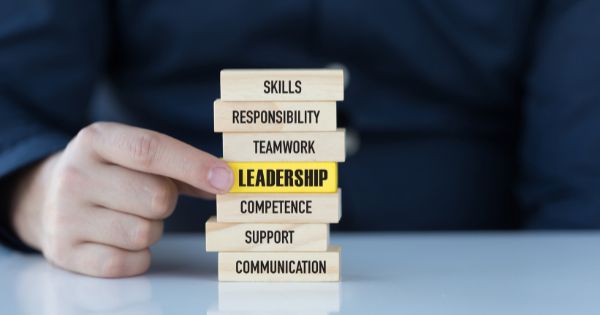
Autocratic coaching refers to a style of leadership in which the coach makes decisions with little or no input from the team members. This style is characterized by strong control over all aspects of the team, including strategy, tactics, and player selection. Autocratic coaching can be effective in situations where quick decision making is needed or where team members lack experience or knowledge. However, it can also lead to resentment and lack of individual initiative if not managed properly.
One of the key features of autocratic coaching is its top-down approach to decision making. The coach holds the ultimate authority and responsibility for the team’s performance. This can lead to a highly organized and disciplined environment, with clear expectations and defined roles for each team member. In this environment, players are expected to follow the coach’s instructions without question.
However, autocratic coaching also presents certain challenges. By limiting player input, it can stifle creativity and inhibit the development of independent thinking skills. It can also create a culture of dependence on the coach, which can be detrimental in situations where prompt, autonomous decision making is required.
In addition, autocratic coaching can sometimes create a hostile or stressful environment. Without opportunities for input or feedback, team members may feel undervalued or ignored. This can lead to low morale and reduced performance.
While autocratic coaching has its place in certain situations, it is important for coaches to balance this style with more collaborative approaches. This can foster a more inclusive and motivated team environment, while still maintaining clear leadership and direction. Ultimately, the most successful coaches are those who are able to adapt their style to meet the unique needs and capabilities of their team.
Vision Coaching
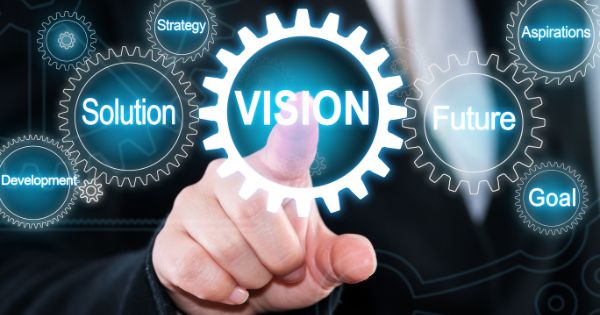
Vision Coaching, a distinct and powerful approach to personal and professional development, is gaining traction in today’s fast-paced, result-oriented society. It involves a comprehensive process that enables individuals and organizations to define their vision and create a roadmap to achieve it. This type of coaching is not merely about setting and achieving goals; it’s about drawing a clear picture of the desired future and then systematically working towards it.
The essence of Vision Coaching is to help individuals or teams identify their primary vision – the ultimate objective they aspire to achieve. Once this vision is articulated, the coach works with the coachee to create an actionable plan to realize this vision. This process often involves identifying strengths, acknowledging weaknesses, addressing potential obstacles, and leveraging opportunities along the way.
Vision Coaching is transformative in nature as it promotes self-awareness, fosters personal growth, and encourages continuous learning. By focusing on the ‘big picture’, it empowers individuals to take charge of their life or career, providing them with the tools and strategies needed to make informed decisions and take proactive steps.
Moreover, Vision Coaching has profound implications for organizations. It can help companies align their teams around a common purpose, foster a culture of innovation, improve performance, and ultimately drive business growth. It guides leaders to articulate a compelling vision that resonates with their team members, thereby inspiring them to contribute their best towards its achievement.
In conclusion, Vision Coaching is an invaluable tool for personal and professional development. By facilitating clarity of vision, it paves the way for purposeful action and sustained success. Whether you are an individual seeking direction in life or a business leader striving for organizational excellence, Vision Coaching could be the key to unlocking your potential.
Laissez-Faire Coaching
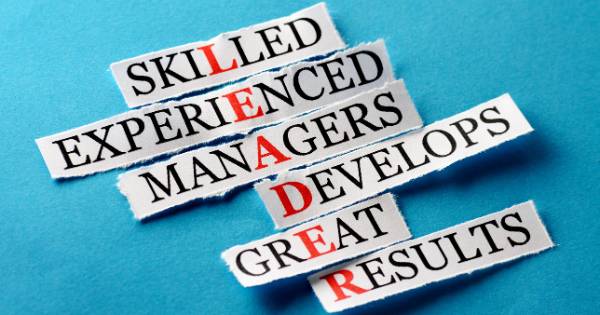
Laissez-Faire Coaching is a unique approach to leadership that allows individuals to operate with a significant level of autonomy. Rooted in the French term “Laissez-Faire,” which translates to “let it be,” this coaching style encourages self-direction and individual initiative. It is a non-intrusive method where coaches provide minimal oversight, instead encouraging team members to explore their potential and develop their skills independently.
In Laissez-Faire Coaching, the coach’s role is to guide rather than dictate, providing resources and support without imposing strict guidelines or structures. This method can be incredibly effective in fostering creativity, motivation, and personal growth. It also empowers individuals to take ownership of their learning journey, fostering self-confidence and independent problem-solving abilities.
However, Laissez-Faire Coaching is not without its challenges. It requires a high level of trust in the team’s capabilities and can sometimes lead to a lack of direction if not effectively managed. Therefore, it is crucial that the coach maintains open communication and is prepared to step in when necessary.
The success of Laissez-Faire Coaching largely depends on the individuals involved and the nature of the tasks at hand. It is best suited for highly motivated and experienced individuals who thrive in an environment of autonomy and freedom. Conversely, it may not be as effective for those who require more guidance and structure in their learning process.
In conclusion, Laissez-Faire Coaching provides an exciting alternative to more traditional coaching styles. By empowering individuals to take control of their learning journey, it can foster creativity, personal growth, and a strong sense of ownership. However, like any coaching method, its effectiveness largely depends on the individual context and requires careful management to ensure success.
Mindful Coaching

Mindful coaching is a novel approach to personal and professional development that integrates mindfulness principles into the coaching process. The primary objective of mindful coaching is to help individuals gain a deeper understanding of their thoughts, emotions, and behavior patterns, thereby enabling them to make more informed decisions and take more intentional actions in their lives. This approach to coaching is particularly effective in fostering self-awareness, promoting emotional intelligence, and enhancing leadership capabilities.
Mindful coaching encourages individuals to be fully present in each moment, focusing on the here and now rather than dwelling on the past or worrying about the future. It facilitates a state of non-judgmental awareness, where clients observe their thoughts and feelings without labeling them as good or bad. This heightened state of consciousness allows individuals to gain valuable insights into their thought processes and behavioral patterns, which can be instrumental in facilitating personal growth and transformation.
Moreover, mindful coaching equips individuals with practical tools and techniques to manage stress, improve focus and increase resilience. It enables clients to navigate through life’s challenges with greater ease, fostering a sense of inner peace and wellbeing. It also helps in enhancing their ability to communicate effectively, manage conflicts, and build strong relationships.
By creating a safe and supportive environment, mindful coaching empowers individuals to explore their inner landscape, uncover their potential and transform their lives. It is not just about achieving specific goals; rather it is about embarking on a journey of self-discovery and personal growth. In essence, mindful coaching is about cultivating a mindful way of living that promotes self-awareness, fosters personal growth and enhances overall wellbeing.
Bureaucratic Coaching

Bureaucratic coaching represents a strategic approach to developing leadership skills within bureaucratic entities, be they governmental bodies or private corporations with complex hierarchical structures. This coaching process focuses on enhancing the abilities of individuals in leadership roles, enabling them to effectively navigate the intricacies of bureaucratic systems, and make efficient decisions that align with organizational goals. Bureaucratic coaching is critical in fostering change, promoting innovation, and driving the overall success of an organization.
Bureaucratic coaching involves a series of practices designed to equip leaders with the necessary skills to handle challenges that arise within bureaucratic systems. These include problem-solving techniques, conflict resolution strategies, effective communication skills, and a deep understanding of bureaucratic processes and regulations. This form of coaching aims at promoting transparency, accountability, and efficiency within bureaucratic structures, ensuring leaders are capable of making informed decisions that further the organization’s objectives.
One of the significant advantages of bureaucratic coaching is that it helps leaders understand the dynamics of power within their organizations. It allows them to gain a comprehensive understanding of the rules and regulations governing their functions, enabling them to make effective decisions within these constraints. Furthermore, bureaucratic coaching encourages leaders to adopt a proactive approach towards addressing issues, fostering a culture of responsibility and accountability.
In conclusion, bureaucratic coaching plays an integral role in developing competent leaders capable of effectively managing complex bureaucratic systems. Through this process, leaders learn to navigate the intricate dynamics of their organizations, make informed decisions, and foster a culture of transparency and accountability. Ultimately, bureaucratic coaching serves as a catalyst for organizational success by equipping leaders with the tools necessary to drive change and innovation within their respective entities.
Developmental Coaching

Developmental coaching, a discipline that has gained considerable recognition in the corporate world, is a transformative process that enhances an individual’s professional growth and personal fulfillment. It is a highly effective method of cultivating skills, unlocking potential, and overcoming challenges that may impede optimal performance in the workplace. The primary goal of developmental coaching is to foster self-awareness, promote behavioral change, and facilitate goal attainment by encouraging individuals to reflect on their actions, experiences, and perceptions.
Unlike traditional coaching that focuses on improving specific skills or behavior within a defined timeframe, developmental coaching takes a broader approach. It involves a long-term commitment to personal growth and professional development. The process is often exploratory, engaging individuals in deep conversations about their aspirations, fears, motivations, and barriers to success. It further helps in identifying hidden strengths, blind spots, and biases that may be influencing their decision-making process.
The success of developmental coaching largely depends on the coach’s ability to build a trusting partnership with the coachee. The coach must be competent in creating a safe and supportive environment that encourages open dialogue, critical thinking, and constructive feedback. Additionally, they should possess strong emotional intelligence skills to understand the coachee’s feelings, perspectives, and needs effectively.
Developmental coaching can significantly contribute to an organization’s success by enhancing employee engagement, productivity, and retention. It not only helps employees navigate through complex situations but also equips them with the necessary tools to thrive in an ever-evolving business environment. Therefore, investing in developmental coaching is a strategic move for businesses seeking sustainable growth and competitive advantage.
Transformational Coaching

Transformational coaching is a powerful strategy that aims to bring about significant change and growth in individuals. It goes beyond the realm of performance-based coaching, which usually focuses on achieving specific professional goals. Instead, transformational coaching encourages individuals to delve deep into their core beliefs and values, fostering a sense of self-awareness that inevitably leads to personal and professional development.
The core principle of transformational coaching is that each individual has untapped potential. Through this coaching method, individuals are encouraged to challenge their current perspectives and step out of their comfort zones. By doing so, they are able to achieve a level of introspection and self-understanding that catalyzes profound personal change.
One of the key benefits of transformational coaching is its holistic approach. Rather than concentrating solely on professional growth, it addresses multiple facets of an individual’s life. This comprehensive method ensures that the changes brought about are sustainable and impactful, leading to long-term development and growth.
Moreover, transformational coaching is not a one-size-fits-all solution. It is tailored to meet the unique needs of every individual, taking into account their personal circumstances, strengths, and weaknesses. The coach works closely with the individual to create a personalized plan that aligns with their personal and professional goals.
In summary, transformational coaching is an innovative and powerful tool for personal and professional growth. It empowers individuals to challenge their existing beliefs, discover their potential, and undergo significant transformation. Whether you’re a business leader seeking to improve your team’s performance or an individual looking for personal growth, transformational coaching offers a pathway towards achieving your objectives.
Creative Coaching

Creative coaching is a transformative process that leverages the power of creativity to enhance personal and professional performance. It is an innovative approach that shifts away from traditional coaching methods, focusing instead on helping individuals tap into their inherent creative abilities to solve problems, generate new ideas, and overcome challenges.
In an increasingly complex and rapidly changing world, creative coaching offers a valuable tool for navigating uncertainty and achieving success. It encourages individuals to embrace a growth mindset, fostering resilience and adaptability in the face of change. Moreover, creative coaching cultivates an environment where innovative thinking is celebrated, empowering individuals to step outside their comfort zones and explore novel solutions.
Creative coaching can be applied across a wide range of contexts, from personal development to business innovation. In the personal realm, it can help individuals unlock their creative potential, enhancing their ability to express themselves and engage with the world in meaningful ways. In the professional sphere, creative coaching can boost productivity and drive business growth by nurturing a culture of innovation and continuous improvement.
Whether used for personal growth or business success, creative coaching is predicated on the belief that everyone has the capacity for creativity. It is not about teaching new skills but rather about facilitating the discovery of existing talents and capabilities. Through creative coaching, individuals are empowered to take ownership of their learning journey, shaping their path forward in a way that aligns with their unique goals and aspirations.
In conclusion, creative coaching is a powerful tool for fostering creativity, inspiring innovation, and promoting personal and professional growth. By harnessing the power of creativity, we can unlock our potential and create a brighter future.
Neuroscience Coaching

Neuroscience Coaching represents an innovative and multidisciplinary approach to personal and professional development. It combines the latest insights from the field of neuroscience with principles of coaching to enable greater understanding of human behaviour, decision-making processes, and emotional responses. This powerful blend of science and coaching techniques creates a unique framework for enhancing performance, productivity, and overall well-being.
Neuroscience Coaching is underpinned by the knowledge that our brains are constantly evolving entities, capable of significant change and adaptation. This concept, known as neuroplasticity, provides the scientific foundation for the transformative potential of Neuroscience Coaching. The process involves harnessing this capacity for change to facilitate the development of new neural pathways, thereby promoting more effective behaviours, thought patterns, and emotional responses.
Moreover, Neuroscience Coaching offers a robust evidence-based approach to coaching. It enables coaches to utilise scientifically validated strategies to effect meaningful change in their clients. This not only enhances the efficacy of the coaching process but also lends credibility to the practice, making it a valuable tool for individuals and organisations alike.
Furthermore, this innovative approach presents an opportunity to bridge the gap between science and practice. By translating complex neuroscience research into practical strategies for change, Neuroscience Coaching makes this vital field accessible to a broader audience. This inclusive approach empowers individuals to take control of their own brain health and cognitive functioning, thus promoting overall wellbeing and life satisfaction.
In conclusion, Neuroscience Coaching offers a powerful new tool for personal and professional development. By merging scientific insights with practical coaching strategies, it facilitates deep and lasting change. As our understanding of the brain continues to evolve, so too will the possibilities for this exciting field.
Your existence serves as an extraordinary proclamation of Gods love and designer brilliance captured in a universal love letter for humanity
I firmly believe that each one of us is created in the image and likeness of God, our original and authentic blueprint and design reflecting God’s ultimate expression of designer’s excellence. This divine blueprint serves as a love letter, revealing to all who observe the profound depth and breadth of God’s love. This belief informs my coaching approach, which I liken to the game of golf. In golf, a player selects from a variety of clubs, each designed for a specific purpose, to navigate through different scenarios on the course. Similarly, in my coaching practice, I employ a diverse array of coaching techniques and methodologies to unearth the original and authentic blueprint and design inherent in my clients.
My role as a coach involves guiding my clients toward becoming what God intended them to be. This involves showcasing His love dream for them: a unique expression of their calling, talents, purpose and full potential. Through my coaching techniques and methodologies, I create a safe and supportive space for my clients, enabling them to explore their strengths, confront their weaknesses, and ultimately realize their full potential.
The coaching techniques and methodologies I employ are varied and tailored to the individual needs of each client. They may include self-reflection exercises, goal-setting strategies, accountability measures, and motivational techniques. I believe that by leveraging these methods, I can help my clients unlock their inherent value and worth, bringing them closer to realizing God’s dream for them.
In essence, my coaching practice is an embodiment of my core belief in the divine origin and purpose of each individual. It is a process designed to uncover and celebrate the unique blueprint that God has imprinted on each one of us. Through this process, my hope is that each client will not only come to understand their unique gifts and purpose but will also learn to see themselves as I do – as beautiful expressions of God’s love and design.
Read More | Popular Coaching Niches | Sales Training | Christian Life Coaching | Christian NLP Coaching |
Coach Directory | Linked | Academy of Influence | FJVR | Fire| Instagram | Campsite| Speaker| Reader | News 24 |