Teaching in business coaching that assists in grasping the variety and intricacies of the industry

Shaping the futures of accomplished professionals
In the past two decades, I have dedicated myself to the training and certification of numerous business coaches, each with unique backgrounds and hailing from various countries. This journey has exposed me to a wealth of diverse experiences and insights that have enriched my Business Coaching Teachings and Techniques. This diversity is a clear testament to the broad nature of my work.
In addition to this, I have had the privilege of working closely with a plethora of companies across an array of industries in South Africa, and throughout the African continent. My role has involved not only providing guidance and strategic counsel but also acting as a sounding board for leaders seeking to navigate the complex and often challenging business landscape. My work in this arena has honed my ability to adapt my Business Coaching Teachings and Techniques to suit different contexts and needs, thereby enhancing their effectiveness.
Moreover, my work has also extended to conducting leadership development programs for a wide range of leaders in Africa, from political figures to CEOs and entrepreneurs. This aspect of my career has allowed me to delve deeper into understanding the intricacies of leadership in different spheres and at various levels. The insights gained have been invaluable in shaping my business coaching teachings and further developing my techniques to remain relevant and impactful.
In South Africa, I’ve collaborated with political parties, research institutes, corporate entities, small and medium-sized enterprises (SMEs), and even single-person businesses. Each engagement has presented its unique set of challenges and requirements, all of which have necessitated a flexible and tailored approach. These experiences have underscored the importance of versatility in business coaching – a trait that I’ve consistently sought to enhance in my teachings.
Over the years, I have encountered different challenges that required distinctive strategies. This has allowed me to broaden my perspective and understanding of varying business environments and market dynamics. Through these experiences, I’ve been able to refine my business coaching techniques, ensuring they are comprehensive, adaptive, and solution-oriented.
In conclusion, this page serves as a brief summary of the vast scope of my work over the past 20 years. It highlights my commitment to continuous learning, adaptability, and service to others through Business Coaching Teachings and Techniques. It also underscores my dedication to fostering leadership development across various sectors within South Africa, across the African continent, and beyond.
Creating a Positive Company Culture through Business Coaching

Creating a positive company culture through business coaching is essential for fostering a motivated, engaged, and high-performing workforce.
Business coaching provides an avenue for leaders to guide and support their employees in developing their skills, talents, and potential.
By investing in coaching programs, organizations can empower their employees to take ownership of their professional growth, which creates a sense of value and fulfillment within the workplace.
Through regular coaching sessions, individuals gain clarity on their goals, receive constructive feedback, and develop strategies to overcome challenges.
Additionally, business coaching encourages open communication and collaboration among team members as they share their experiences and learn from one another’s strengths.
As a result, employees feel supported and valued by their organization, leading to increased job satisfaction and productivity.
Ultimately, a positive company culture cultivated through business coaching promotes employee retention and attracts top talent who are seeking opportunities for personal development within the workplace.
Improving Workforce Diversity and Inclusion Efforts with Cultural Competency Coaching

Improving workforce diversity and inclusion has become a pressing issue in various industries, as businesses recognize the many benefits of having a diverse and inclusive workplace.
To effectively address this challenge, organizations are increasingly turning to cultural competency coaching. Cultural competency coaching is designed to enhance employees’ understanding and appreciation of different cultures, beliefs, and perspectives, enabling them to better work alongside colleagues from diverse backgrounds.
By engaging in cultural competency coaching, professionals can develop crucial skills such as communication, empathy, and adaptability, which are essential for building respectful relationships with coworkers.
Additionally, this type of coaching helps individuals identify and overcome any unconscious biases they may have towards certain cultures or ethnicities. The knowledge gained through cultural competency coaching not only enhances productivity and collaboration within teams but also ensures that employees feel valued and included in the workplace.
Ultimately, investing in cultural competency coaching demonstrates an organization’s commitment to fostering a truly inclusive environment where everyone can thrive professionally regardless of their background.
Mastering Influential Communication Skills through Expert Coaching

Mastering influential communication skills through expert coaching is crucial in today’s competitive professional landscape.
Effective communication is a fundamental skill that can drastically impact an individual’s success when dealing with colleagues, clients, and superiors.
Expert coaching offers invaluable guidance and personalized training to improve one’s ability to articulate ideas clearly, persuasively, and confidently.
Through targeted exercises, feedback sessions, role-playing scenarios, and practical techniques provided by seasoned professionals, individuals can learn the art of building rapport, active listening, body language interpretation, and adapting their communication style to different situations.
These coaching programs also equip professionals with strategies to overcome common challenges like public speaking anxiety or negotiating difficult conversations.
By investing time into mastering influential communication skills through expert coaching, individuals gain a competitive edge by effectively conveying their thoughts and ideas while positively impacting their professional relationships and career growth opportunities.
Strategies for Improving Customer Service through Business Coaching

One effective strategy for improving customer service through business coaching is to focus on enhancing communication skills.
By providing training and coaching sessions that emphasize active listening, empathy, and clear communication techniques, employees can better understand customer needs and expectations. This can result in improved interactions with customers, leading to increased satisfaction levels and loyalty.
Additionally, business coaching can assist in developing the ability to handle difficult customer situations by teaching problem-solving techniques and conflict resolution skills.
Another valuable aspect of customer service improvement through business coaching is instilling a strong company culture that emphasizes customer-centricity.
Coaching programs can help employees develop a deep understanding of the company’s values, mission, and brand promise, enabling them to align their actions with these principles when interacting with customers.
Ultimately, by investing in comprehensive business coaching programs focused on enhancing communication skills and fostering a customer-centric culture, businesses can greatly enhance their overall level of customer service excellence.
Harnessing Emotional Intelligence Via Professional Business Coaching
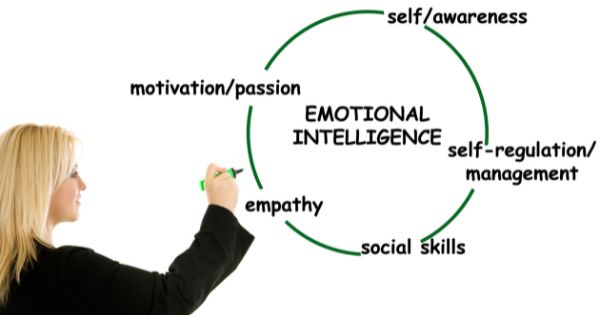
Harnessing emotional intelligence via professional business coaching is a crucial approach for individuals and organizations seeking success in today’s competitive landscape.
Business coaching allows leaders to cultivate their emotional intelligence, enabling them to understand and manage their own emotions effectively while also recognizing and empathizing with the emotions of others.
Emotional intelligence empowers leaders to communicate more assertively yet empathetically, building strong relationships with team members, clients, and stakeholders.
Through targeted coaching interventions, professionals can learn techniques for self-awareness, self-regulation, motivation, empathy, and social skills that deepen their emotional intelligence.
Consequently, harnessing emotional intelligence enables leaders to navigate complex work environments more adeptly, make informed decisions based on both logic and intuition, resolve conflicts amicably, and inspire better collaboration within teams.
By investing in professional business coaching focused on developing emotional intelligence competencies, organizations can create a positive workplace culture that fosters productivity, creativity,
and genuine human connection.
Ways to Maximize Employee Performance with Business Coaching

One effective way to maximize employee performance is through business coaching. Business coaching involves providing employees with the support, guidance, and resources they need to reach their full potential.
A skilled business coach can help employees identify their strengths and weaknesses, set goals, and develop strategies for improving performance. By offering personalized feedback and mentoring, a coach can help employees enhance their skills and knowledge in ways that are directly applicable to their roles within the organization.
Business coaching also plays a crucial role in improving employee engagement and motivation by fostering a sense of ownership over one’s professional growth. This process encourages employees to take initiative, set higher standards for themselves, and actively seek out opportunities for learning and development.
Moreover, regularly scheduled coaching sessions provide valuable opportunities for open communication between employees and their coaches, creating a supportive environment where concerns can be addressed effectively.
Overall, investing in business coaching not only enhances individual employee performance but also contributes to the overall success of the organization by cultivating a high-performing workforce focused on continuous growth and improvement.
Strengthening Negotiation Skills through Specialized Business Coaching

Strengthening negotiation skills is a paramount goal for professionals in today’s competitive business landscape, and specialized business coaching has emerged as a powerful solution to achieve this objective.
Recognizing the complexity and nuances of negotiation, specialized business coaches bring their expertise and experience to help individuals develop effective strategies and techniques.
They provide personalized guidance tailored to specific industries or organizational contexts, enabling professionals to address unique challenges they face during negotiations.
Furthermore, these coaches facilitate skill-building exercises designed to enhance core competencies such as communication, critical thinking, and decision-making.
By working closely with clients on real-life scenarios, they provide constructive feedback and valuable insights that promote self-awareness and growth.
The value proposition of specialized business coaching lies in its ability to empower professionals with practical knowledge, confidence, and adaptable negotiation skills necessary for surpassing objectives while forging mutually beneficial agreements in diverse environments.
Driving Customer Loyalty and Retention Through Effective Coaching Strategies

Driving customer loyalty and retention is crucial for any organization seeking long-term success. Effective coaching strategies play a vital role in achieving this goal by developing and nurturing strong relationships with customers.
One strategy is to focus on understanding customer needs and preferences through active listening and clear communication. By providing personalized, tailored experiences, customers feel valued and important, building trust and loyalty towards the brand.
Additionally, a coach should empower front-line employees to make autonomous decisions to solve customer issues efficiently, ensuring their satisfaction. Regular training sessions can equip employees with the necessary skills to handle challenging situations with empathy and effectiveness.
Furthermore, analyzing customer feedback and implementing necessary improvements based on the insights gained from coaching sessions can lead to greater customer satisfaction and retention rates.
Ultimately, effective coaching strategies not only enhance employee performance but also contribute significantly to driving a culture of excellence focused on meeting customer expectations consistently.
The Art of Delegation: Empowering Managers through Business Coaching

Unleashing hidden potential and empowering employees through effective business coaching practices is essential for organizations wishing to stay competitive and maximize their talent pool.
By providing personalized guidance, support, and feedback tailored to individual needs and goals, business coaching fosters professional growth and development.
Through regular one-on-one sessions, coaches help employees identify their strengths and weaknesses, set realistic objectives, and create actionable plans to achieve them. This process not only boosts employee morale but also enhances productivity as individuals gain confidence in their abilities.
Additionally, coaching empowers employees by facilitating self-reflection and encouraging critical thinking, leading to innovative problem-solving approaches.
Moreover, effective business coaching practices contribute to talent retention as the organization demonstrates its commitment to nurturing staff members’ progression within the company.
Ultimately, investing in a comprehensive coaching program positively impacts organizational culture by promoting collaboration, increasing job satisfaction, fostering leadership skills among employees of all levels, and ultimately driving long-term success.
The Psychology Behind Decision Making: How Coaches Assist in Making Informed Choices

Decision making is a complex cognitive process influenced by various psychological factors, and coaches play a crucial role in assisting individuals in making informed choices.
Coaches employ their expertise in psychology to understand the intricacies of decision making and guide individuals through this process effectively. They are well-versed in theories such as rational choice theory, prospect theory, and bounded rationality, which provide frameworks for understanding how people weigh options, assess risks and uncertainties, and make trade-offs.
Drawing on these theories, coaches can help clients explore their values, priorities, and goals to identify the underlying motivations that drive decision making.
Through active listening and empathetic communication skills, coaches create a safe space where individuals can clarify their thoughts, challenge cognitive biases, and gain clarity about potential consequences.
By providing alternative perspectives and encouraging reflection, coaches empower individuals to take ownership of the decision-making process while considering long-term implications. They foster self-awareness and emotional intelligence necessary for effective decision making by guiding clients to identify their strengths, limitations, fears, and aspirations.
With their deep knowledge of psychology interpersonal dynamics, cognitive processes ,and motivation ,coaches assist individuals in navigating the complexities of decision making with confidence, informed choices that align with their values ,goals achieving fulfillment..
Unleashing Hidden Potential and Empowering Employees through Effective Business Coaching Practices

Unleashing hidden potential and empowering employees through effective business coaching practices is essential for organizations wishing to stay competitive and maximize their talent pool.
By providing personalized guidance, support, and feedback tailored to individual needs and goals, business coaching fosters professional growth and development.
Through regular one-on-one sessions, coaches help employees identify their strengths and weaknesses, set realistic objectives, and create actionable plans to achieve them. This process not only boosts employee morale but also enhances productivity as individuals gain confidence in their abilities.
Additionally, coaching empowers employees by facilitating self-reflection and encouraging critical thinking, leading to innovative problem-solving approaches.
Moreover, effective business coaching practices contribute to talent retention as the organization demonstrates its commitment to nurturing staff members’ progression within the company.
Ultimately, investing in a comprehensive coaching program positively impacts organizational culture by promoting collaboration, increasing job satisfaction, fostering leadership skills among employees of all levels, and ultimately driving long-term success.
Navigating Change Management with the Support of an Experienced Business Coach

Navigating change management can be a daunting task for any organization, which is why having the support of an experienced business coach can be highly valuable.
A skilled business coach understands the complexities that come with implementing change and knows how to guide leaders and teams through the process effectively.
They assist in identifying potential roadblocks, creating strategies to overcome resistance, and fostering open communication within the organization.
Additionally, a business coach brings a fresh perspective and unbiased viewpoint, enabling them to analyze situations objectively and provide practical solutions.
Their expertise in change management frameworks allows them to develop tailored approaches that align with the company’s goals and values. With their guidance and mentorship, businesses can minimize disruption during periods of transition, empowers employees to adapt more readily, and ultimately achieve successful organizational change outcomes.
In conclusion, partnering with an experienced business coach can significantly enhance an organization’s ability to navigate change management smoothly and efficiently.
How to Develop Resilient Leaders through Executive-level Business Coaching Programs

Developing resilient leaders through executive-level business coaching programs is crucial in today’s competitive and rapidly changing business landscape.
Resilience, the ability to bounce back from setbacks and adapt to challenges, is a characteristic that sets great leaders apart. An effective coaching program focuses on enhancing self-awareness, emotional intelligence, and decision-making abilities of executives, equipping them with the necessary skills to navigate unpredictable situations effectively.
Through one-on-one coaching sessions, leaders are encouraged to explore their strengths and weaknesses while setting realistic goals for personal growth.
Tailored coaching also empowers executives to learn from past failures or missed opportunities and develop strategies for overcoming future obstacles.
Moreover, the program exposes leaders to various leadership models and techniques, enabling them to adopt versatile leadership styles that suit different organizational scenarios.
By fostering resilience in leaders through executive-level business coaching programs, companies can cultivate robust leadership pipelines capable of driving innovation, managing ambiguity, and inspiring teams towards achieving long-term success.
Upskilling Employees with Targeted Training Plans Designed by a Professional business coach

In today’s fast-paced and competitive business landscape, upskilling employees is essential for organizations to thrive and stay ahead.
To achieve this, targeted training plans designed by a professional business coach prove to be invaluable. A professional business coach possesses an in-depth understanding of the industry and specific skill gaps within the workforce.
By conducting thorough assessments and analyzing performance data, they can identify areas that require improvement and develop tailored training programs accordingly.
These plans are meticulously structured to address individual strengths and weaknesses, ensuring maximum impact on employee growth and development.
Additionally, a professional business coach brings their expertise in instructional design, leveraging innovative techniques such as simulations, role-plays, and case studies to create engaging learning experiences. They also provide ongoing guidance, support, and mentorship throughout the upskilling process to ensure consistent progress.
Ultimately, for businesses aiming to enhance their workforce’s capabilities efficiently and effectively with a strategic approach, investing in targeted training plans designed by a professional business coach will yield substantial dividends in achieving long-term organizational success.
Tackling Burnout and Stress Management with the Aid of business coaching

Tackling burnout and stress management is crucial in today’s fast-paced and competitive business environment. Business coaching has emerged as a valuable tool to combat these challenges effectively.
A skilled business coach can help individuals identify the underlying causes of burnout and develop targeted strategies to manage stress.
Through personalized sessions, coaches can assist professionals in setting realistic goals, improving time management skills, and prioritizing tasks effectively.
Additionally, they provide invaluable support in navigating workplace dynamics and offering coping mechanisms for handling high-pressure situations.
Moreover, business coaches offer objective perspectives that enable individuals to gain clarity on their strengths and weaknesses, allowing them to make informed decisions about workload distribution and personal growth opportunities.
By helping professionals establish work-life balance boundaries, enhancing self-awareness, and building resilience, business coaching serves as a powerful means to promote overall well-being and optimize productivity in the professional realm.
Exploring Cross-Cultural Competence within Global Organizations via business coaching

Exploring Cross-Cultural Competence within Global Organizations via business coaching is a crucial component in today’s interconnected world.
As companies expand their reach across borders and cultures, it becomes increasingly important for employees to possess the necessary skills to navigate diverse cultural landscapes effectively.
Business coaching offers a unique platform for professionals to develop cross-cultural competence by providing tailored guidance and support.
Through focused sessions, coaches can help individuals enhance their awareness of cultural differences, refine their communication styles, and develop strategies for building effective relationships with stakeholders from different cultural backgrounds.
Furthermore, business coaching can also assist in developing cultural intelligence, enabling leaders to adapt their leadership styles and embrace diversity within global organizations.
Ultimately, exploring cross-cultural competence via business coaching equips professionals with the tools needed to thrive in multicultural environments and successfully lead teams on an international scale.
Building Resilience in Times of Crisis through business coaching techniques

Building resilience in times of crisis is essential for individuals and organizations to navigate through uncertain and challenging circumstances.
Business coaching techniques offer valuable strategies to cultivate resilience and adaptability. Coaches can help leaders and employees develop a growth mindset, emphasizing the importance of learning from setbacks and embracing change as an opportunity for personal and professional development.
Through goal setting and action planning, coaches encourage individuals to identify their strengths, build on previous successes, and establish realistic expectations during uncertain times.
Additionally, coaches provide a supportive environment for open communication and reflection, allowing individuals to express their concerns, fears, or limitations without judgment.
By facilitating problem-solving discussions, coaches empower individuals to find creative solutions to complex issues while fostering a sense of ownership over their work.
Ultimately, business coaching techniques promote resilience by enhancing self-awareness, building confidence in navigating crises, and cultivating a culture that embraces adaptability as a vital competency in today’s fast-paced business landscape.
Strategies for Effective Time Management Through Business Coaching Techniques.

Effective time management is crucial for individuals in leadership roles, and business coaching techniques can help managers develop strategies to optimize their productivity.
One key strategy is prioritization; coaches work with managers to identify the most significant tasks that align with organizational goals and delegate or eliminate less important ones.
Another effective technique is planning and scheduling, where coaches aid managers in setting realistic goals and developing a structured timetable to ensure tasks are completed on time.
Business coaching also emphasizes the importance of setting boundaries and learning to say no, helping managers avoid overcommitment and remain focused on essential responsibilities.
In addition, coaches encourage regular self-reflection to identify personal time-wasting habits, such as excessive meetings or interruptions, and support the implementation of strategies to mitigate these issues.
Through business coaching techniques, leaders can gain awareness of their time management challenges and learn effective strategies to maximize productivity while maintaining a healthy work-life balance.
Creating a Culture of Accountability through Executive Business Coaching

Creating a culture of accountability through executive business coaching is an essential aspect of organizational success.
With the rapid pace of change and increasing complexity in today’s business environment, organizations cannot afford to ignore the importance of performance and results.
Executive business coaching plays a crucial role in fostering a sense of responsibility among leaders and employees alike, as it helps align individual goals with organizational objectives.
By providing structured guidance, feedback, and support, executive coaches empower leaders to take ownership of their actions and decisions while holding them accountable for delivering on commitments. This creates a ripple effect throughout the organization, promoting transparency, trust, and collaboration.
Moreover, executive business coaching actively supports personal growth and development while enhancing leadership capabilities necessary for driving performance excellence.
Ultimately, by instilling accountability at all levels of the organization through executive coaching initiatives, companies can achieve higher productivity levels, improved employee engagement, enhanced decision-making abilities, and a sustainable competitive advantage in the marketplace.
Unlocking Your Teams Potential with Group Business Coaching Sessions

Unlocking your team’s potential is crucial to the success of any business, and one effective way to achieve this is through group business coaching sessions.
These sessions provide a unique opportunity for team members to come together, collaborate, and learn from each other’s experiences and expertise.
A skilled business coach can facilitate these sessions, providing valuable insight, guidance, and support. By focusing on specific goals and objectives, these coaching sessions can help teams identify their strengths and areas for improvement.
Through interactive exercises, brainstorming activities, and open discussions, team members can develop new skills, enhance their problem-solving abilities, and strengthen their communication and collaboration skills.
Furthermore, group coaching encourages teamwork, fosters innovation, promotes accountability, and boosts employee morale.
Ultimately, this investment in your team’s growth and development will lead to increased productivity, improved performance outcomes, and a positive organizational culture that nurtures talent and drives success.
Maximizing Employee Engagement Through Business Coaching

Maximizing employee engagement through business coaching is a powerful approach that can yield significant benefits for both employees and organizations.
Business coaching involves providing guidance, support, and feedback to employees in order to help them enhance their skills, achieve their goals, and maximize their potential.
By investing in business coaching programs, organizations can create a culture of continuous learning and development, which leads to higher levels of employee engagement. Engaged employees are more likely to be motivated, productive, and committed to achieving organizational objectives. They feel valued and supported by their managers and are empowered to take ownership of their work.
Business coaching also helps employees build self-awareness, confidence, and resilience – key attributes for personal growth and career advancement.
In addition, it fosters effective communication and collaboration within teams and enhances leadership skills at all levels of the organization.
Overall, by maximizing employee engagement through business coaching, organizations can drive performance improvement, boost employee satisfaction and retention rates, as well as foster a positive work environment that fuels innovation and success.
Building Stronger Networks and Connections with Business Coaching Support

Building stronger networks and connections through business coaching support is a strategic approach that enables professionals to enhance their career prospects.
Business coaching provides individuals with valuable insights, guidance, and expertise to navigate the increasingly competitive corporate landscape. This support helps individuals develop essential skills such as networking, communication, and relationship building, empowering them to form meaningful connections within their industry.
A skilled business coach not only offers practical advice on how to reach out to potential clients or partners, but also instills confidence and boosts self-esteem in professionals seeking growth.
By leveraging business coaching support, individuals can broaden their professional network, exchange knowledge and resources with like-minded individuals in similar industries or professions, and ultimately strengthen their position within the business world.
The personalized nature of this coaching also allows for tailored strategies that align with an individual’s unique goals and circumstances, resulting in more effective networking techniques and improved career opportunities.
Developing Effective Communication Skills through Tailored business coaching approaches
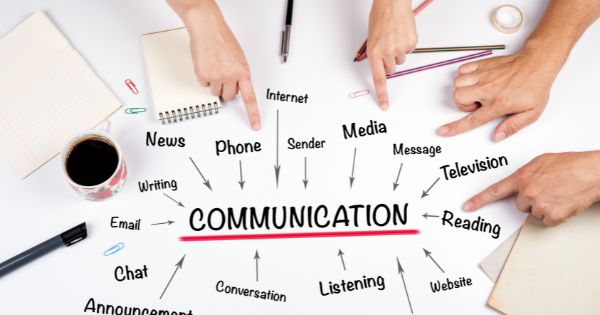
Developing effective communication skills through tailored business coaching approaches is crucial in today’s professional world.
Effective communication plays a pivotal role in building strong relationships, both within and outside an organization. A tailored coaching approach allows individuals to identify their specific strengths and weaknesses in communication, enabling them to enhance their skill set accordingly.
It provides the opportunity for personalized guidance and feedback, allowing professionals to address any gaps they may have in their communication style.
By understanding various communication techniques, such as active listening, clarity in speech, and non-verbal cues, individuals can foster meaningful connections with clients, colleagues, and superiors.
Additionally, business coaching helps professionals develop strategies to effectively communicate complex ideas and concepts.
With these improved skills, employees can propel themselves forward in their careers by confidently expressing their thoughts and ideas while maximizing productivity and efficiency within the workplace environment.
Managing Conflict Resolution in the Workplace Through Effective Business Coaching
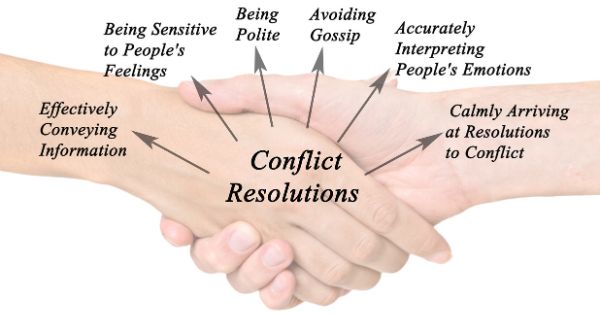
Managing conflict resolution in the workplace through effective business coaching is crucial for maintaining a healthy and productive work environment.
Conflict is inevitable in any organization, but it is how it is managed that determines the outcome.
Business coaching provides a valuable tool to address conflicts and find constructive solutions. A skilled coach can help individuals identify their own emotions and perspectives, communicate effectively with others involved in the conflict, and develop strategies to overcome challenges.
By encouraging open dialogue, active listening, and problem-solving techniques, business coaching enables employees to work towards resolving conflicts amicably while fostering learning and growth within the organization.
A professional approach to conflict resolution through business coaching not only aids in resolving immediate issues but also establishes long-lasting positive relationships among colleagues by cultivating understanding, empathy, and respect for diverse viewpoints.
Ultimately, investing in conflict resolution enhances team collaboration, boosts employee satisfaction and engagement, improves productivity, and contributes to the overall success of an organization.
Read More: Sales Training Teachings | Christian NLP Coaching | Popular Coaching Niches | Techniques
Coach Directory | Linked | Academy of Influence | FJVR | Fire| Instagram | Campsite| Speaker| Reader