Transform Your Communication Style with Professional Coaching Strategies
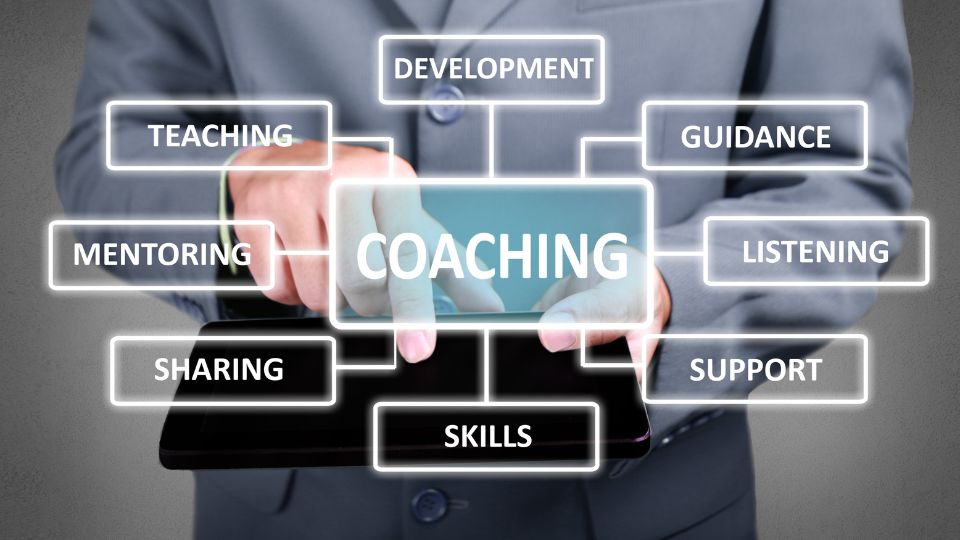
In my perspective, the capacity to communicate is indeed a divine endowment. It is this gift that allows us to forge friendships, establish families, and form societies and cultures. Communication is integral to our daily lives, playing a significant role in everything we do. It is the glue that binds relationships and the catalyst for growth and development in business. My Communication Teachings are centered around the belief that communication is more than merely exchanging words; it is about understanding the emotion and intentions behind those words.
In my coaching practice, I emphasize on eight distinct areas of communication. The first is intrapersonal communication – the dialogue we have with ourselves. It encompasses self-concept, perception, expectation, and the personal decisions we make. The second focal area is interpersonal communication which delves into the interactions we have with others on a one-on-one basis. It’s about effectively expressing our thoughts and understanding others, which forms the basis of our relationships.
The third area in focus is group and team communication – the dynamics of communicating within a collective setting such as a team or a group. Effective communication within this context often leads to synergy, where collective output surpasses individual contributions. Public communication, the fourth area, involves sharing information with larger audiences. It requires confidence, clarity, and the ability to engage listeners.
The fifth area of focus is performance. This involves using communication techniques in presentations, speeches or acting. It requires a good understanding of audience engagement and message delivery. The sixth area delves into the realm of media and new technologies of communication. In this digital age, understanding how to communicate effectively through various platforms—social media, emails, video conferencing—is vital.
The seventh area is organizational communication. This involves understanding and navigating through the complex channels of communication within a business or an organization. Effective organizational communication can enhance productivity, create a positive workplace culture, and drive business success. The final area is intercultural communication, which focuses on how people from diverse cultural backgrounds communicate with each other. This area is crucial in fostering respect and understanding amidst cultural diversity.
In conclusion, my Communication Teachings encompass these eight areas because I believe that effective communication is multifaceted. It’s not just about speaking or writing well – it’s also about listening, understanding, respecting other’s viewpoints, adapting to different communication styles and platforms, and making meaningful connections with others. Whether it’s within the context of personal relationships or business interactions, effective communication plays an indispensable role.
I am confident that, when the need arises, you will absorb these teachings and utilize them to augment your communication skills as well as conquer any difficulties you confront.
Overcoming Barriers to Effective Communication in The Workplace

Overcoming barriers to effective communication in the workplace is a crucial aspect of improving productivity and fostering a positive work environment.
It involves recognizing and addressing various obstacles such as cultural differences, language barriers, lack of clarity and poor listening skills. To combat these, it’s important to instill a culture of open communication where employees feel safe to express their ideas and concerns.
Regular training on effective communication strategies, promoting diversity and inclusion, and using clear and concise language can also be beneficial. Additionally, leveraging technology such as collaboration tools can facilitate better interaction and understanding among team members.
The Importance of Active Listening in Effective Communication

Active listening is a crucial component of effective communication. It goes beyond merely hearing the words spoken by the other party and involves full engagement, comprehension and responsiveness.
Active listening aids in building rapport, understanding and trust, which are essential for fostering productive and meaningful conversations. It also prevents miscommunication by ensuring clarity and mutual understanding.
It’s not just about being silent while the other person talks, but about showing interest, seeking clarification when needed, and providing appropriate feedback.
Therefore, to enhance our communication skills, it’s vital to master the art of active listening.
Enhancing Cross-Cultural Communication Skills

In an increasingly globalized world, enhancing cross-cultural communication skills is pivotal for both personal and professional development.
The ability to effectively communicate across different cultures is a key competency in fostering strong, respectful relationships in diverse environments. This involves understanding and respecting cultural nuances, beliefs, customs, and perspectives.
Emphasizing active listening, empathy, and cultural sensitivity can significantly improve cross-cultural communication. Moreover, learning about different cultures, languages, and customs can also enhance one’s ability to communicate effectively across cultures.
Thus, continuous learning and development in this area is crucial for success in the modern interconnected world.
Effective Communication Strategies in the Workplace

Effective communication strategies in the workplace are vital to fostering productivity, teamwork, and a positive work culture. These strategies include clear and concise messaging, active listening, open and constructive feedback, and utilizing the right communication channels.
Clear and concise messaging prevents misunderstandings and ensures everyone is on the same page while active listening promotes understanding and respect among team members.
Constructive feedback helps in identifying areas of development and encourages continuous improvement.
Moreover, choosing the right communication channels like emails, meetings, or instant messaging apps can vastly improve the efficiency of information dissemination. Implementing these strategies can significantly enhance workplace communication and overall productivity.
Effective Communication for Conflict Resolution

Effective communication is a crucial component in conflict resolution. It involves expressing oneself clearly and assertively, listening attentively, and responding empathetically.
This approach allows all parties involved to fully understand each other’s perspectives and promotes a collaborative effort towards finding a resolution.
The absence of effective communication can often escalate conflicts, breed misunderstanding, and hinder the resolution process.
Therefore, mastering the art of effective communication is a necessity for successful conflict resolution. In professional settings, it fosters a harmonious work environment, boosts productivity and promotes healthier relationships among staff.
Tips for Effective Virtual and Remote Communication

Effective virtual and remote communication is pivotal in ensuring seamless operation of any business.
The first tip is to leverage the right technology. Opt for reliable and easy-to-use communication tools that meet your team’s needs, including chat apps, video conferencing tools, and project management software.
Secondly, establish clear communication protocols. Ensure everyone knows when and how they should communicate. Regular virtual meetings can aid in maintaining the team’s cohesion.
Lastly, it’s crucial to foster a culture of open communication. Encourage team members to share their ideas, concerns, and feedback.
This not only builds trust but also promotes collaboration and innovation.
Active Listening Techniques for Effective Customer Service

Active listening techniques are a crucial tool for providing effective customer service. They enable service providers to comprehend customers’ needs accurately, thereby fostering rapport and building trust.
These techniques include maintaining eye contact, using verbal and nonverbal cues to show interest, summarizing information for clarity, and avoiding interruptions while the customer is speaking.
Furthermore, asking open-ended questions encourages customers to express their concerns in detail, enabling a comprehensive understanding of their needs.
By employing these strategies, customer service representatives can enhance communication efficiency, improve problem-solving abilities, and ultimately increase customer satisfaction.
Harnessing The Power of Storytelling in Effective Presentations
Harnessing the power of storytelling can dramatically enhance the effectiveness of presentations.
Stories not only captivate audiences but also make complex concepts easier to understand by creating a narrative context. They evoke emotions and make the content more relatable, leading to improved retention of information.
When effectively applied, storytelling can transform presentations from a passive display of facts and figures into an engaging journey that leaves a lasting impression on the audience.
To truly harness its power, one must master the art of structuring a compelling story that aligns with the presentation’s objectives and resonates with the audience.
Non-Verbal Communication Techniques for Better Understanding

Non-verbal communication plays a vital role in enhancing understanding and establishing stronger connections.
It includes facial expressions, body language, gestures, and even the tone of voice. These elements can often convey more than words themselves.
An open posture can indicate a willingness to engage, while maintaining eye contact can show sincerity and attentiveness. Observing and understanding these cues can greatly improve interpersonal interactions.
Additionally, being aware of your own non-verbal communication can ensure your intentions are accurately conveyed.
Therefore, mastering non-verbal communication techniques is critical for effective, clear, and meaningful exchanges in both personal and professional scenarios.
Ways to Enhance Non-Verbal Cues Like Facial Expressions and Gestures

Non-verbal cues such as facial expressions and gestures play a critical role in effective communication.
To enhance these, one must first practice self-awareness, becoming cognizant of their own expressions and movements. Observing others can also be beneficial, as it allows individuals to recognize various cues and their interpretations.
Furthermore, the use of mirror exercises can aid in understanding and improving one’s non-verbal signals.
Lastly, studying body language can provide a deeper understanding of these cues, thereby improving one’s ability to communicate non-verbally.
Remember, consistency between verbal and non-verbal communication is key to conveying clear and effective messages.
Communication Skills for Successful Leadership

Effective communication skills are paramount for successful leadership.
Leaders need to express their vision and goals clearly to their team. This requires not only verbal communication but also non-verbal cues and active listening.
A leader must foster an environment of open dialogue, where team members feel heard and valued. They should be adept at conveying their expectations, providing constructive feedback, and recognizing the achievements of their team.
Furthermore, leaders should have the ability to persuade and influence others towards a common goal.
Therefore, honing communication skills is a continuous process that can significantly enhance one’s leadership effectiveness.
Tips for Navigating Difficult Conversations with Ease

Navigating difficult conversations with ease is a highly sought-after skill, especially in professional settings.
It requires a high degree of communication skills to handle sensitive issues tactfully without damaging relationships. Strong communication skills include active listening, empathy, patience, and clear articulation of thoughts.
These skills help to understand and validate the other person’s perspective while maintaining a balanced dialogue. With effective communication skills, one can manage disagreements, resolve conflicts, and foster a more harmonious working environment.
Thus, honing communication skills is of paramount importance for successful navigation through difficult conversations.
The Art of Asking Open-Ended Questions in Conversations

The art of asking open-ended questions in conversations is a crucial skill that significantly contributes to effective communication.
These questions, unlike close-ended ones, do not limit responses to ‘yes’ or ‘no,’ but instead invite more detailed and thoughtful responses. They encourage individuals to share their thoughts, feelings, and ideas more freely, thereby fostering a more engaging and meaningful conversation.
The successful application of this art can be incredibly beneficial in various professional settings, from conducting interviews and holding meetings to fostering client relationships and negotiating deals.
It is a powerful tool that when used carefully and wisely, can not only enhance our understanding of others but also build stronger and more productive relationships.
How to give constructive feedback effectively

Giving constructive feedback effectively involves open communication, empathy, and a clear understanding of the issue at hand.
Start by acknowledging the individual’s efforts, then highlight areas for improvement. Be specific and objective about what needs to change, providing tangible examples if possible.
Most importantly, constructive feedback should always be solution-oriented. Instead of focusing solely on what went wrong, suggest ways to improve or correct the situation. Remember, the goal is to facilitate growth and development, not to criticize or demotivate.
Lastly, be open to dialogue. Allow the receiver of the feedback to voice their thoughts or concerns, fostering an environment of mutual respect and learning.
The Importance of Clarity in Written Communication

Clarity in written communication is paramount for effective information dissemination and understanding. It ensures the receiver comprehends the message as intended, eliminating chances of misinterpretation or confusion.
A clear written message saves time as it reduces the need for further clarification and follow-up. This is essential in the professional world where time is a valuable asset.
Moreover, clarity enhances credibility as it demonstrates precision and competence in thought and expression. Whether it’s an email, report, or a proposal, clear written communication fosters productivity, prevents misunderstandings, and promotes better workplace relationships.
Therefore, the importance of clarity in written communication cannot be overstated.
Communication Strategies for Managing Remote Teams

Effective communication is integral to the success of managing remote teams.
Utilizing technology to foster clear, concise, and frequent communication is essential. Tools such as video conferencing, project management software, and instant messaging platforms can streamline communication and ensure all team members are aligned.
It’s crucial to set communication norms to avoid misunderstandings and ensure everyone is kept in the loop. Regular team meetings and one-on-one check-ins can strengthen the team cohesion and provide an opportunity to address individual concerns.
Additionally, promoting a culture of openness and encouraging feedback can significantly enhance the efficiency and productivity of remote teams.
Improving Public Speaking Skills for Better Communication

Improving public speaking skills is a critical step towards achieving better communication. These skills not only increase one’s confidence but also enhance their ability to persuade and influence audiences effectively.
From business presentations to civic engagements, effective public speaking paves the way for clear conveyance of ideas, fostering understanding and inspiring action.
Accordingly, constant practice, feedback evaluation, and a deep understanding of the subject matter can significantly improve one’s public speaking skills. As individuals strive to improve these skills, they should remember the significance of body language and voice modulation in maintaining audience engagement.
Overall, refining public speaking abilities leads to improved communication, fostering personal and professional growth.
Tips For Delivering Clear and Concise Instructions

Delivering clear and concise instructions is a critical skill in the professional world. It ensures that tasks are executed accurately and efficiently, eliminating the potential for misunderstanding or mistakes.
This ability is particularly necessary for those in leadership positions, as it directly influences team productivity and overall project success.
It involves breaking down complex information into easily understandable steps, using direct and simple language, and confirming comprehension.
Additionally, providing a clear objective and context for the instructions can help to foster understanding and engagement.
Ultimately, the ability to deliver clear and concise instructions enhances communication, efficiency, and effectiveness within a professional setting.
Strategies for Communicating with Different Personality Types

Effective communication is a crucial part of every professional setting. It becomes even more significant when dealing with different personality types.
Adopting a one-size-fits-all approach in communication can be counterproductive; instead, tailor the communication strategy to suit the specific personality type.
For extroverted individuals, direct and open conversations may work best while introverts might prefer written or one-on-one interactions. Detail-oriented personalities appreciate thorough explanations, while big picture individuals prefer concise and to-the-point discussions.
Understanding these nuances can help in fostering better relationships and ensuring effective communication across different personality types in a professional environment.
Tips for Giving Impactful Speeches and Presentations

Creating an impactful speech or presentation requires careful planning and execution.
Firstly, understanding your audience is paramount. Tailor your content to their interests, knowledge level, and expectations. Secondly, structure your speech or presentation logically.
Begin with an engaging introduction, follow with the body where you present your main points, and conclude with a strong ending that reinforces your key message.
Use clear, concise language and avoid jargon. Visual aids can be effective, but ensure they supplement your talk and not distract from it.
Finally, practice thoroughly. The more familiar you are with your material, the more confident and engaging you’ll be.
Read More: Sales Training Teachings | Christian NLP Coaching | Popular Coaching Niches | Techniques
Coach Directory | Linked | Academy of Influence | FJVR | Fire| Instagram | Campsite| Speaker| Reader