Breaking New Ground: Unveiling 100 Cutting-Edge Coaching Niches in Today’s Market

My journey into the world of coaching began at a young age, when my father introduced me to the discipline of squash, facilitated by a professional coach. This set the trajectory for my lifelong engagement with various forms of coaching, ranging from cycling and triathlon to scuba diving and running. Upon finishing school, my experience in the field broadened as I entered the gym environment and discovered the realm of personal training.
In my early 20s, my journey took an interesting turn as I found myself in Africa and South Africa, not in the capacity of a sports coach but rather as an evangelist. This role introduced me to the concept of mentorship – a perspective on coaching that extends beyond physical training and delves into emotional and spiritual guidance.
Starting from 2009, I embarked on an intensive study into various fields and techniques within the coaching arena. This exploration, driven by a deep-seated passion for understanding the dynamics of coaching, led me to receive a Doctorate in Philosophy. My constant quest for knowledge has allowed me to delve deep into various coaching niches, each offering unique perspectives and methodologies.
In this space, it is my aim to share insights about popular coaching niches today to help broaden your understanding. The world of coaching is vast and diverse, with each niche presenting unique opportunities for growth, development and transformation. Among these niches are areas such as life coaching, executive coaching, health and wellness coaching, career coaching, and sports coaching. Each niche caters to specific needs and objectives, providing tailored strategies to help individuals achieve their goals.
Through my experiences and studies, I have come to appreciate that coaching goes beyond merely imparting skills or knowledge. It’s a holistic approach that involves empowering individuals to unlock their potential and navigate their journey towards personal or professional fulfillment. Thus, understanding different coaching niches is crucial in identifying which approach best aligns with one’s personal or professional development needs.
My hope is that by sharing insights into these various coaching niches, I can shed light on the multifaceted nature of coaching and inspire others to explore these avenues for their own personal or professional growth.
Finding Your Niche: Exploring the Most Popular Coaching Specialties Today
Career Coaching

Career coaching has emerged as a highly effective tool for guiding individuals through their professional journey. It is a focused and personalized strategy designed to assist individuals in making informed decisions about their career development and trajectory. A career coach brings in-depth knowledge and expertise in the job market, career planning and transition, and personal development to help clients clarify their goals, overcome challenges, and achieve their career objectives.
Career coaching is not just about finding a job. It is about aligning one’s professional path with personal goals and values. It involves exploring passions, skills, and interests, identifying potential career options, and creating a strategic plan to achieve desired outcomes. A career coach plays an instrumental role in this process by providing objective feedback, constructive criticism, and practical advice.
Moreover, career coaching helps individuals to navigate the complexities of the job market. From understanding job descriptions to preparing for interviews, from negotiating salaries to dealing with workplace issues, a career coach provides valuable insights and guidance. They also help individuals to build confidence, improve communication skills, and develop effective job search strategies.
In the rapidly changing world of work, where industries evolve and job roles transform, career coaching has become increasingly important. It provides individuals with the tools and resources they need to adapt to changes, seize opportunities, and thrive in their careers. Whether you are starting your career journey, seeking advancement, or contemplating a career change, career coaching can provide you with the support and direction you need.
In conclusion, career coaching is an investment in one’s personal and professional growth. It empowers individuals to take control of their career paths, make informed decisions, and achieve their full potential. With the right guidance and support from a career coach, one can successfully navigate the intricacies of the job market and build a fulfilling and rewarding career.
Health Coaching

Health coaching is an emerging field that is gaining significant traction in the healthcare industry. It is a collaborative, client-centered approach that involves guiding individuals towards achieving their health goals, whether it’s improving nutrition, increasing physical activity, or managing a chronic condition. A health coach bridges the gap between medical recommendations and the individual’s ability to implement those recommendations into their complex, everyday lives.
Health coaching is rooted in the principles of positive psychology, behavior change theory, and motivational interviewing. The role of a health coach is multifaceted; they serve as mentors, educators, and accountability partners. They empower individuals to take control of their health by providing them with the knowledge, skills, tools and confidence to become active participants in their care.
The value of health coaching is increasingly recognized in managing chronic illnesses such as diabetes, heart disease, and obesity. Research has shown that health coaching can lead to significant improvements in patients’ adherence to medication and lifestyle changes, leading to better clinical outcomes.
In essence, health coaching takes a holistic view of health. It goes beyond mere symptom management to address lifestyle factors such as diet, physical activity, stress management and sleep habits that significantly impact overall health. Health coaching is not about giving advice or prescribing treatments; rather, it’s about helping individuals discover their own motivations and strategies for change.
Moreover, health coaching provides a personalized approach to health care. Every individual has unique needs, preferences, and resources when it comes to their health. Health coaches recognize this diversity and work with individuals to create tailored plans that fit their specific circumstances and goals.
In conclusion, the emergence of health coaching signifies a shift in the healthcare paradigm towards a more proactive, preventive approach. By empowering individuals to take charge of their health, we can not only improve health outcomes but also increase satisfaction and quality of life.
Life Coaching

Life coaching is a burgeoning field that focuses on helping individuals identify and achieve their personal and professional goals. It is a partnership between the coach and the client designed to facilitate growth, change, and self-improvement. Life Coaching is not merely a trend, but a powerful method that involves an engaging interaction aimed at bringing out the best in a person. It’s about unlocking potential, breaking down barriers and building a pathway to success.
The essence of life coaching lies in its approach. Unlike traditional therapy which revolves around dealing with past issues, life coaching concentrates on the future. It encourages clients to introspect, identify their aspirations, and chart out a strategic plan to achieve the same. Beyond goal setting, life coaching also emphasises accountability, thereby ensuring that clients are committed to their path of transformation.
Life coaching can cover a wide array of areas from career progression, personal development, relationships, health, and even financial planning. The role of a life coach is to provide support, structure, and encouragement, through techniques such as questioning, reflecting back, clarifying and providing feedback.
In an era where stress, uncertainty, and dissatisfaction are rampant, life coaching is proving to be an effective tool in steering individuals towards purposeful living. By fostering self-awareness, promoting self-belief and instilling confidence, life coaching empowers individuals to take charge of their lives and strive for continuous improvement. Whether it’s about overcoming hurdles in one’s personal life or navigating through professional challenges, life coaching can provide the necessary guidance and support.
In conclusion, life coaching plays an instrumental role in personal development by helping individuals identify their goals, formulate a plan of action and stay accountable for their progress. It provides an external perspective and encourages clients to step out of their comfort zones and explore their full potential. With its forward-thinking approach and focus on growth, life coaching is truly an asset for those seeking fulfilment in all areas of life.
Mindset Coaching
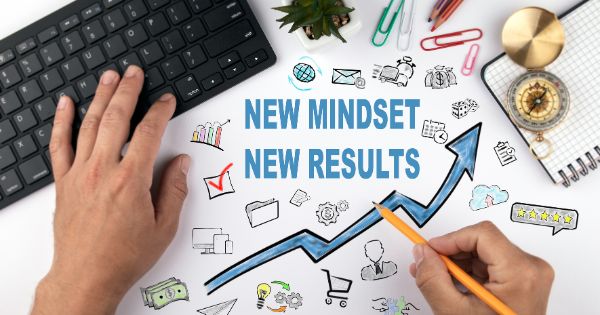
Mindset Coaching is a powerful tool that helps individuals to unlock their full potential by transforming their thought patterns and beliefs. It is an approach aimed at facilitating personal growth and performance improvement by changing the way one perceives and responds to their environment.
The concept of Mindset Coaching is built on the premise that our mindset, or the way we think, is the driving force behind our actions and behaviors, which in turn dictates the outcomes we achieve in life.
A Mindset Coach works with individuals to identify limiting thoughts and beliefs that may be holding them back from achieving their goals. Through a series of structured sessions, the coach helps the individual to challenge these negative thought patterns and replace them with more positive, empowering beliefs. This process often involves deep introspection, self-awareness, and a willingness to step outside of one’s comfort zone.
Mindset Coaching is not limited to any specific demographic or professional group. Whether it’s entrepreneurs striving to grow their businesses, athletes aiming to improve their performance, students working towards academic success, or individuals seeking personal development, mindset coaching can assist in all these areas. The goal is to foster a growth mindset that embraces challenges, persists in the face of setbacks, sees effort as a path to mastery, learns from criticism, and finds lessons and inspiration in the success of others.
In conclusion, Mindset Coaching is a transformative process that can bring about significant changes in an individual’s life. It is all about changing the narrative in our minds to create new possibilities and achieve desired outcomes. With the right mindset, there are no limits to what we can achieve. Therefore, investing in mindset coaching can be a game-changer for those looking to reach new heights in their personal and professional lives.
Financial Coaching

Financial coaching is a critical aspect of personal finance management that often goes underutilized or overlooked. It is a process that aims to boost an individual’s financial health by providing them with the necessary tools, knowledge, and strategies to make informed financial decisions. At its core, financial coaching aims to create a personalized plan that matches the client’s financial goals and needs.
Unlike financial planning, which focuses more on investment strategies and retirement plans, financial coaching emphasizes behavior change, goal setting, and accountability. It is about creating a transformational journey that allows individuals to understand their finances better, manage their income and expenses effectively, and ultimately achieve financial freedom.
Financial coaching can be a powerful tool for anyone struggling with their finances. Whether it’s helping clients get out of debt, build an emergency fund, or save for retirement, financial coaches can provide the support and guidance needed to navigate through these complexities. These professionals can teach clients how to budget, save, invest, and make wise financial decisions. They can also help clarify financial goals and create realistic plans to achieve them.
While the concept of financial coaching is still relatively new in some regions, its importance cannot be overstated. In today’s world where financial literacy levels are low, having someone guide you through your financial journey can be extremely beneficial. This is where the role of a financial coach becomes crucial. They don’t merely provide advice but work alongside clients to ensure they are financially literate and capable of making sound financial decisions.
In conclusion, financial coaching offers a comprehensive approach to personal finance management. It empowers individuals with the knowledge and skills they need to take control of their financial future. Whether you’re just starting your financial journey or looking for ways to improve your current situation, considering financial coaching could be a wise move.
Relationship Coaching

Relationship coaching represents a powerful approach to helping individuals and couples navigate the complexities, challenges, and joys of interpersonal relationships. This form of coaching is not limited to romantic partnerships but extends to various relationships including familial ties, friendships, and professional relationships. A relationship coach possesses the skills and knowledge to assist clients in understanding their own relationship behaviors, clarify their needs and desires, and learn more effective communication strategies.
The scope of relationship coaching encompasses several areas. It includes fostering an understanding of self in relation to others, exploring personal relationship patterns, setting relationship goals, and developing actionable strategies to achieve these goals. Relationship coaching is not about finding quick fixes for immediate problems but rather about fostering personal growth and developing healthier relationship habits over time.
A key aspect of relationship coaching is its proactive nature. Rather than waiting for a crisis or significant problem to occur in a relationship, proactive coaching encourages individuals and couples to invest in their relationships from the outset. The emphasis is on building skills, understanding, and strategies that will help prevent problems from arising in the first place.
It’s also important to note that relationship coaching is not a substitute for therapy or counseling. While it may involve addressing emotional issues and improving communication skills, its primary focus is on practical problem-solving, goal setting, and action planning.
In conclusion, relationship coaching offers valuable support for individuals and couples seeking to enhance their interpersonal relationships. By providing a safe space for exploration and growth, it empowers clients to build stronger, healthier connections with others. Whether one is struggling with a current relationship or simply wishing to improve their overall relationship skills, relationship coaching can offer the insights and tools necessary for success.
Weight Loss Coaching

Weight loss coaching is a multifaceted approach to achieving sustainable weight loss and overall wellness. It involves personalized guidance, motivation, and support to help individuals reach their weight loss and health goals. The primary goal of weight loss coaching is not just about shedding pounds but it’s about instilling healthy habits and lifestyles in individuals that can be maintained in the long run.
Weight loss coaching stands out from other weight loss methods because it shapes the approach based on individual needs. It is not a one-size-fits-all solution, rather it is a tailored plan that takes into consideration the client’s current health status, lifestyle, dietary preferences, and fitness levels. This tailored approach is crucial because everyone’s body responds differently to diet and exercise, and what works for one may not work for another.
Moreover, weight loss coaching provides constant support and motivation which are key elements in achieving weight loss goals. It is easy to get demotivated or lose sight of your goals when you are on your own. But with a weight loss coach by your side, you have someone who can help you overcome obstacles, keep you accountable and inspire you to keep going even when things get tough.
Furthermore, weight loss coaching also focuses on educating individuals about nutrition and exercise, creating a healthy relationship with food, and developing a positive mindset. This empowers individuals with the knowledge and tools they need to manage their weight on their own in the future.
In conclusion, weight loss coaching is a comprehensive approach that goes beyond dieting and exercising. It’s about making lasting changes that result in sustainable weight loss and improved health. Its personalized nature, constant support, educational aspect, and emphasis on holistic wellness make weight loss coaching an effective solution for those looking to lose weight and maintain it in the long term.
Nutrition Coaching

Nutrition Coaching is a rapidly growing field that bridges the gap between knowledge of healthy eating and the practical application of that knowledge in daily life. It is an approach that not only focuses on what to eat but also on how and why to eat certain foods. A nutrition coach is a wellness professional who works closely with individuals to create personalized nutrition and lifestyle plans. These plans are designed to not only improve overall health and wellbeing, but also to meet specific goals such as weight loss, improved athletic performance, or the management of chronic diseases.
The primary aim of Nutrition Coaching is to educate individuals about the critical role nutrition plays in maintaining optimal health, and to empower them to make informed decisions about food choices and meal planning. This involves understanding an individual’s dietary needs, lifestyle, food preferences, and current health status. From this information, a nutrition coach can develop a tailored nutrition plan that not only meets the individual’s health and wellness goals, but also fits within their lifestyle and food preferences.
Nutrition Coaching is more than just providing a diet plan. It’s about providing ongoing support, motivation, education, and guidance to help individuals implement and sustain dietary changes. This approach recognises that changing dietary habits is a process that requires time, patience, and support. A nutrition coach provides this support, helping individuals overcome challenges, stay motivated, and ultimately achieve their nutrition and wellness goals.
In summary, Nutrition Coaching is an effective method of helping individuals achieve their health and wellness goals through personalised dietary plans and ongoing support. By focusing on the individual’s unique needs and circumstances, a nutrition coach can provide practical strategies for making sustainable dietary changes that lead to improved health and wellbeing.
Public Speaking Coaching

Public Speaking Coaching is a specialized form of training that aims to enhance an individual’s proficiency in public speaking, presentation skills, and overall communication abilities. This coaching can be immensely valuable for professionals across various sectors, as the ability to communicate effectively is a critical skill in today’s fast-paced, information-driven world.
Public Speaking Coaching offers a broad range of benefits. For one, it helps to alleviate the common fear and anxiety associated with public speaking. Through structured practice and supportive feedback, individuals can build confidence and poise, enabling them to deliver impactful presentations with ease. Moreover, good coaching can help individuals to hone their message crafting skills, ensuring their communication is clear, persuasive, and engaging.
Secondly, Public Speaking Coaching equips individuals with the tools they need to handle different speaking scenarios – from business meetings and sales pitches to keynote speeches at conferences. It helps people understand their audience better and adapt their message accordingly for maximum impact.
Furthermore, Public Speaking Coaching isn’t just about the act of speaking itself. It also covers other vital aspects of communication such as body language, voice modulation, and effective use of visual aids. These are all elements that can significantly enhance the effectiveness of a speaker’s message.
Finally, the skills gained from Public Speaking Coaching are not limited to professional settings alone. They are applicable in everyday life, helping individuals articulate their thoughts and ideas more confidently and persuasively in any situation.
In conclusion, Public Speaking Coaching is an invaluable resource for anyone looking to improve their communication skills. Whether you’re a seasoned professional or just starting out in your career, investing in this form of coaching can significantly enhance your ability to connect with others and successfully convey your ideas.
Productivity Coaching

Productivity coaching is a professional service designed to assist individuals and organizations in maximizing their potential and achieving their desired goals. It is a process that involves identifying areas of weakness, setting clear objectives, and developing strategies to enhance performance. The main goal of productivity coaching is to improve efficiency, reduce waste, and increase output.
Productivity coaching can be beneficial for both individuals and businesses. For individuals, it can help in personal development by enhancing skills, improving decision-making abilities, and increasing self-confidence. It can also aid in time management, goal setting, stress management, and work-life balance. These improvements often result in enhanced job satisfaction, career advancement, and overall better quality of life.
For businesses, productivity coaching can be instrumental in improving operational efficiency. It helps organizations to identify bottlenecks in their processes and devise strategies to overcome them. It can also help in fostering a culture of continuous improvement where every member of the team is focused on enhancing their performance. This not only improves the bottom line but also builds a more engaged and motivated workforce.
Productivity coaching can be performed by trained professionals who use various tools and techniques to bring about the desired change. This could range from one-on-one sessions to group workshops or online courses. The coach works closely with the client to understand their needs, challenges, and aspirations, and provides personalized guidance to help them achieve their goals.
In conclusion, productivity coaching is a powerful tool for personal and organizational development. It provides a structured approach to identify areas of improvement and implement effective strategies to increase productivity. Whether you are an individual seeking to improve your performance or a business looking to boost your operational efficiency, productivity coaching can provide the guidance and support you need to achieve your objectives.
Confidence Coaching

Confidence Coaching represents a specialized branch of personal development, focused on fostering self-assurance, assertiveness, and the ability to confidently navigate various situations. It is a transformative process that can significantly improve personal and professional life, enabling individuals to reach their full potential.
A Confidence Coach is a professional who assists clients in overcoming self-doubt, fear, and limiting beliefs. They utilize proven techniques and strategies to build self-esteem, enhance communication skills, and empower individuals to take action towards their goals. Confidence Coaching is not just about creating a positive mindset; it’s about equipping individuals with the tools and strategies they need to sustain confidence in themselves over time.
The benefits of Confidence Coaching are vast and transformative. Through this process, individuals learn how to manage their thoughts, emotions, and behaviors more effectively. They develop the ability to stand up for themselves, express their needs and wants clearly, and make decisions with conviction. In the workplace, confidence coaching can lead to improved performance, increased leadership abilities, and enhanced career prospects.
Moreover, Confidence Coaching is not a one-size-fits-all approach. Coaches tailor their methods to each individual’s unique needs and circumstances. They work closely with clients to identify areas of insecurity and devise practical strategies to overcome these challenges. As a result, clients gain an improved sense of self-worth, greater resilience in the face of adversity, and the courage to pursue their dreams.
In conclusion, Confidence Coaching offers a valuable opportunity for personal growth and empowerment. It equips individuals with the confidence they need to succeed in their personal and professional lives, fostering resilience, assertiveness, and a positive self-image. The profound impact of Confidence Coaching underscores its importance as a tool for personal development.
Stress Coaching

Stress coaching has emerged as a necessary and vital tool in today’s high-pressure professional world. It is a specialized form of coaching that focuses on helping individuals understand, manage, and effectively mitigate stress in both personal and professional contexts. The primary aim of stress coaching is to develop resilience in individuals, allowing them to cope with the challenges they face more efficiently and maintain their physical and emotional health.
Stress coaching encompasses a broad range of techniques and strategies to help individuals identify the sources of their stress, understand how it affects them, and develop effective coping mechanisms. This includes relaxation techniques, mindfulness exercises, cognitive-behavioral approaches, and lifestyle changes. It also often involves a comprehensive assessment of the individual’s work-life balance, personal relationships, health habits, and other factors that may contribute to stress.
One of the most significant benefits of stress coaching is its preventative nature. Rather than waiting for stress to become overwhelming, leading to burnout or health issues, stress coaching helps individuals recognize the early signs of stress and take action before it escalates. This proactive approach can significantly improve an individual’s overall quality of life, boost productivity and performance in the workplace, and foster healthier relationships.
Moreover, Stress Coaching is not limited to the corporate domain but extends to all facets of life including education, sports, and personal development. As our lives become increasingly complex and demanding, the role of stress coaching is becoming more critical. By equipping individuals with the tools they need to manage stress effectively, we can promote healthier, more resilient societies where people are better able to navigate life’s challenges. Therefore, Stress Coaching is an invaluable resource that can help individuals thrive in the face of adversity.
Communication Coaching

Communication coaching is a vital tool in today’s fast-paced, globally connected business environment. It is an action-oriented approach that empowers individuals and businesses to enhance their communication skills, leading to improved relationships, team dynamics, and business performance. The core of communication coaching lies in its ability to facilitate understanding, clarity, and effectiveness in all forms of communication, from interpersonal to organizational communication.
The primary goal of communication coaching is to aid individuals in identifying their communication strengths and areas for improvement. Through personalized strategies and practical exercises, communication coaching helps individuals to develop a greater awareness of their communication styles and patterns, enabling them to adapt their approach to different situations and audiences. This process often involves exploring underlying beliefs and attitudes that might be influencing communication behaviors.
Communication coaching is not limited to enhancing verbal and written communication skills. It also encompasses non-verbal communication, active listening, relationship management, presentation skills, and conflict resolution. The breadth of skills covered under communication coaching demonstrates its importance and relevance across different contexts, from business meetings and professional presentations to personal interactions and social settings.
In a corporate setting, communication coaching can significantly impact team collaboration and productivity. By fostering clear, concise, and effective communication within a team or organization, businesses can avoid misunderstandings that lead to delays or errors. Moreover, effective communication fosters a positive working environment characterized by mutual respect and understanding.
In conclusion, communication coaching is a powerful tool for personal and professional development. By enhancing one’s ability to communicate effectively, individuals can build stronger relationships, perform better in their roles, and contribute more effectively to their teams or organizations. Whether you are a business leader seeking to improve your team’s performance or an individual looking to refine your interpersonal skills, investing in communication coaching can yield substantial benefits.
Intimacy Coaching

Intimacy coaching is a specialized professional service that guides individuals or couples towards a deeper, more meaningful connection with each other. It is a practice that focuses on enhancing relationships through the cultivation of intimacy, which extends beyond physical closeness to encompass emotional, mental, and spiritual bonds. Achieving this kind of profound connection requires communication, vulnerability, trust, and mutual respect – elements which an intimacy coach can help cultivate.
An intimacy coach serves as an impartial, non-judgmental guide to help clients navigate the complexities of developing and maintaining intimate relationships. They employ various therapeutic techniques and exercises to assist clients in identifying and addressing issues that may be hampering their capacity for intimacy. This might involve exploring past experiences and patterns of behavior, working on communication skills, or addressing particular fears or insecurities.
One of the key aspects of intimacy coaching is its emphasis on self-awareness and personal growth. By helping clients understand their own desires, fears, and emotional patterns, an intimacy coach can empower them to approach their relationships with greater confidence and authenticity. This process is not about quick fixes or superficial changes; rather, it encourages deep, lasting transformation.
Another important aspect of intimacy coaching is its potential to facilitate healing. For many individuals and couples, past traumas or unresolved issues can create barriers to intimacy. An intimacy coach can provide a safe space for clients to explore these issues, offering guidance and support as they work through their healing process.
In conclusion, intimacy coaching is a powerful tool for individuals and couples seeking to deepen their relationships. It offers guidance, support, and strategies to help clients cultivate meaningful connections based on mutual respect, understanding, and authentic emotional engagement. Whether you are seeking to enhance your existing relationship or are struggling with challenges in your intimate life, an intimacy coach can provide valuable insights and practical tools to help you navigate your path.
Resilience Coaching

Resilience Coaching is a strategic approach that focuses on enhancing an individual’s ability to respond to adversity in a way that promotes growth rather than hinders it. It is a process that encourages people to develop a robust mental framework that can withstand challenges, setbacks, and failures, and yet continue to strive towards their goals. It is considered a cornerstone of personal development and is increasingly being recognized for its significance in professional settings as well.
In the corporate world, resilience coaching is seen as an essential tool to cultivate a resilient workforce. It has been observed that individuals with high resilience are not only adept at handling stress but also excel in their performance, making them valuable assets for any organization. Therefore, resilience coaching has gained prominence in leadership development programs, talent management strategies, and employee wellness initiatives.
The process of resilience coaching involves equipping individuals with skills and strategies to effectively manage stress, navigate change, and recover from setbacks. Through a combination of cognitive-behavioral techniques, mindfulness practices, and solution-focused strategies, resilience coaches support clients in building their resilience muscle. They enable individuals to reframe their perspective on adversity, view challenges as opportunities for learning rather than threats, and adopt proactive coping mechanisms.
Resilience coaching is not about eliminating difficulties or shielding individuals from adversity. Instead, it is about empowering them to face adversity head-on and bounce back stronger. By fostering resilience, coaching encourages individuals to take ownership of their reactions to challenges and helps them develop a mindset that can thrive even in the face of adversity.
In conclusion, resilience coaching plays a significant role in personal and professional development. It is about nurturing an individual’s inherent capacity to adapt, recover, and grow from adversity. In doing so, it paves the way for enhanced performance, improved mental health, and overall well-being.
Social Skills Coaching

Social Skills Coaching is an essential approach geared towards enhancing an individual’s ability to interact effectively and appropriately with others. In today’s interconnected environment, where personal and professional relationships are central to success, the significance of social skills cannot be overstated. This coaching focuses on the development of both verbal and non-verbal communication, empathy, listening skills, understanding of social cues, and the ability to navigate through various social situations.
Social Skills Coaching has proven to be beneficial for different groups of individuals. For instance, children with developmental disorders can greatly benefit from these programs as it can aid in their overall social and emotional development. Similarly, adults looking to enhance their interpersonal skills for professional environments can also gain from this coaching. This coaching can be particularly advantageous for individuals in leadership positions as it can help them to better motivate, inspire and connect with their team members.
Social Skills Coaching is not just about teaching an individual what to do in social situations but also about instilling confidence in them to handle various scenarios. It helps individuals understand the nuances of social interactions and adapt their behavior accordingly. It works on a deeper level by helping an individual to understand their own thoughts, feelings and behaviors in relation to others.
In conclusion, Social Skills Coaching is a powerful tool that can enhance an individual’s ability to communicate effectively and positively influence their relationships. It has the potential to considerably improve an individual’s quality of life by boosting their self-esteem and overall social competence. The benefits of this coaching extend beyond personal growth and can significantly contribute to one’s professional success as well.
Conflict Management Coaching

Conflict Management Coaching is a specialized field of professional coaching that focuses on equipping individuals and teams with the skills necessary to effectively manage and resolve conflicts. It involves the application of a variety of strategies and techniques designed to facilitate understanding, negotiation, and resolution in situations where disagreements or disputes arise. The ultimate goal of Conflict Management Coaching is to foster a culture of respectful communication and collaboration, even in the face of differing opinions or interests.
Coaching in this domain is not limited to resolving existing conflicts. It also emphasizes prevention by building strong relationships, promoting open dialogue, and fostering an environment where differences are viewed as opportunities for learning and growth rather than sources of contention. Conflict Management Coaching can be employed in various contexts, from interpersonal disputes within a team, to large-scale organizational conflicts.
The role of a Conflict Management Coach extends beyond mere conflict resolution. They also work towards enhancing an individual’s or a team’s ability to engage in constructive conflict, ensuring that disagreements lead to innovative solutions rather than damaging relationships or hindering progress. The coach essentially guides individuals through a process of self-discovery and skill-building, enabling them to identify their conflict styles, understand the dynamics at play, and develop effective strategies for managing conflict.
Therefore, investing in Conflict Management Coaching can yield significant benefits for organizations. These include improved team dynamics, increased productivity, enhanced morale, and reduction in time and resources spent on managing conflict-related issues. In today’s diverse and increasingly complex business environment, the ability to effectively manage conflict is not just an asset but a necessity.
Self-esteem Coaching

Self-esteem coaching is a powerful tool that can be used to enhance one’s self-confidence and improve overall well-being. It revolves around the idea of understanding one’s self-worth and the ability to value oneself. It is an effective approach in managing personal and professional challenges, laying the groundwork for successful relationships, achieving career goals, and living a fulfilling life.
The fundamental purpose of Self-esteem Coaching is to help individuals shift their perceptions about themselves, thereby transforming their lives in a positive way. This coaching process involves identifying and challenging negative beliefs, setting realistic expectations, and cultivating positive self-talk. It also involves setting personal goals and developing strategies to achieve them.
In today’s competitive world, where people often juggle multiple roles and responsibilities, self-esteem can take a hit due to various factors such as stress, failure, or criticism. Herein lies the importance of Self-esteem Coaching. A self-esteem coach provides the necessary guidance and support to help individuals build resilience, embrace their strengths, and overcome weaknesses.
Through Self-esteem Coaching, individuals are equipped with tools and strategies that help them to gain a better understanding of their worth and potential. The coaching process encourages clients to celebrate their achievements, no matter how small they may seem. This practice reinforces positive self-perception and boosts confidence.
In conclusion, Self-esteem Coaching plays a vital role in fostering personal growth and development. It not only enhances one’s self-image but also contributes towards better mental health. With increased self-esteem, people are more likely to take on new challenges, engage in healthy relationships, and lead a balanced and fulfilled life. The benefits of this coaching extend beyond personal gains, positively impacting every sphere of an individual’s life.
Parenting Coaching

Parenting coaching is a specialized field that focuses on enhancing parenting skills, improving family dynamics, and promoting a healthier parent-child relationship. It is an invaluable resource for parents who seek guidance and support in navigating the complex task of raising children. Trained professionals in this domain provide strategies, tools, and techniques to handle various parenting challenges effectively.
In the modern world, where family structures and societal norms are continually evolving, Parenting Coaching plays a critical role. It equips parents with the knowledge and confidence needed to adapt to these changes and provide their children with the best possible upbringing. Parenting coaching isn’t just about addressing problems or difficulties; it’s also about fostering positive parenting practices and strengthening family bonds.
A key component of parenting coaching involves developing effective communication strategies. This includes teaching parents how to listen actively, speak clearly and respectfully, and understand their child’s emotions and needs. Moreover, it helps parents manage their own stress levels, which can significantly influence their interactions with their children.
Another crucial aspect of parenting coaching is teaching parents how to set appropriate boundaries and expectations for their children. This involves understanding each child’s unique personality, abilities, needs, and challenges. With this understanding, parents can create a nurturing environment that encourages healthy development and emotional well-being.
In conclusion, parenting coaching offers a comprehensive approach to improving parenting skills and enhancing family relationships. It provides not only practical solutions to everyday challenges but also long-term strategies for raising emotionally healthy and resilient children. Whether you’re a new parent or have been one for years, parenting coaching could be a beneficial asset in your journey of raising confident and capable individuals.
ADHD Coaching

ADHD coaching is a specialized field of coaching that leverages specific techniques and strategies to empower individuals with Attention Deficit Hyperactivity Disorder (ADHD) to function more effectively in their daily lives. This type of coaching is often an essential component in a comprehensive treatment plan for those with ADHD, which may also include medication, therapy, and other interventions.
One of the primary objectives of ADHD coaching is to assist clients in developing a greater understanding of their unique brain wiring and how this impacts their behaviors, thoughts, and emotions. ADHD coaches guide their clients in the cultivation of strategies and systems that align with their unique needs and strengths, thereby increasing their capacity to manage personal responsibilities, improve relationships, achieve career goals, and enhance overall life satisfaction.
ADHD coaching differs from traditional forms of coaching as it necessitates a deep understanding of the intricacies of ADHD. The coaches are equipped with knowledge about the disorder’s impacts on executive functions such as planning, organization, and self-regulation. They also understand that people with ADHD often struggle with issues like procrastination, time management, and goal setting. Hence, ADHD coaches are trained to address these specific issues effectively.
The benefits of ADHD coaching can be profound. As individuals learn to navigate their challenges more effectively, they often experience increased self-confidence, productivity, and overall well-being. ADHD coaching can help transform perceived limitations into strengths by providing personalized strategies and tools for success. This approach not only supports individuals with ADHD in overcoming daily challenges but also empowers them to thrive by leveraging their unique talents and abilities.
In conclusion, ADHD coaching plays a vital role in helping individuals with ADHD lead more productive and fulfilling lives. By providing tailored strategies and ongoing support, coaches can help clients manage their symptoms, increase their functional abilities, and ultimately improve their quality of life.
Coaching for Single Parents

Single parenting can be an incredibly challenging journey, often fraught with unique obstacles and pressures that can sometimes feel overwhelming. This is where Coaching for Single Parents comes into play. It is a specialized form of life coaching, specifically designed to address the unique needs and circumstances of single parents.
Coaching for Single Parents aims to provide these individuals with the tools they need to navigate through the complexities of raising a child or children single-handedly. The process typically involves a series of sessions where the coach and the parent work together to identify and address any areas of concern or difficulty. These could range from practical matters like time management and financial planning, to emotional issues such as dealing with stress and maintaining a positive outlook.
A significant aspect of Coaching for Single Parents relies on empowering these individuals to find balance in their lives. Single parents often juggle multiple responsibilities, including work, childcare, household management, and often, self-care falls by the wayside. Through coaching, they can learn strategies to manage their time more effectively, set realistic expectations, and prioritize self-care along with their other responsibilities.
Furthermore, Coaching for Single Parents also provides an essential support system. Being a single parent can sometimes feel isolating, but having a coach means having someone who listens, understands, and provides guidance without judgment. This emotional support can make a significant difference in the overall well-being of single parents.
In conclusion, Coaching for Single Parents is a valuable resource that can help single parents navigate their unique challenges more effectively. It provides practical solutions, emotional support, and empowers single parents to lead balanced and fulfilling lives.
Coaching for Couples

Coaching for couples is a groundbreaking approach designed to help couples build stronger, healthier relationships. This form of coaching can be beneficial for couples at any stage of their relationship, whether they are in the early stages of dating or have been married for several years. It provides the necessary tools and techniques to navigate through the complexities of a relationship, promoting better communication, understanding, and empathy among partners.
Coaching for couples isn’t merely about solving immediate problems or ironing out differences. It’s about equipping couples with the skills and understanding necessary to manage future challenges effectively. The focus is on fostering a collaborative mindset, promoting mutual respect, improving communication, and nurturing emotional intimacy. The goal is to create a relationship environment where both parties feel valued, heard, and respected.
The beauty of coaching for couples lies in its personalized approach. Each relationship is unique with its set of challenges and dynamics. Therefore, the coaching process is tailored to meet the specific needs and goals of each couple, ensuring more effective outcomes. This personalized strategy allows for targeted interventions and strategies that address the root cause of conflicts or issues, rather than merely dealing with surface-level symptoms.
It’s worth noting that coaching for couples isn’t just for relationships on the rocks. Even the healthiest of relationships can benefit from this service. It serves as a preventive measure, helping couples maintain their connection and intimacy over time. It’s an investment in the relationship’s future, encouraging continual growth and deepening bonds.
In conclusion, coaching for couples is a valuable resource for any couple seeking to enhance their relationship. Through its personalized approach and focus on skill-building, it offers a proactive strategy for managing relationship challenges while fostering mutual love, respect, and understanding.
Family Coaching

Family coaching is an innovative strategy that focuses on enhancing the interpersonal dynamics within a family unit. It is a personalized process that explores different aspects of family life, such as communication styles, personal relationships, and shared responsibilities, in order to promote understanding, harmony, and wellbeing. At its core, family coaching aims to create a supportive and cooperative environment where all family members feel valued, heard, and respected.
Unlike traditional therapy, which tends to be problem-oriented and focuses on individual disorders or issues, family coaching adopts a strength-based perspective. It recognizes that each family is unique and has its own strengths and resources that can be harnessed to foster positive change. Family coaching is proactive rather than reactive; it does not wait for problems to occur but instead works on preventing them through the development of effective communication skills, conflict resolution strategies, and constructive habits.
Family coaching can be beneficial for all types of families, including nuclear families, blended families, single-parent families, and extended families. It can help address a wide range of issues such as parenting challenges, marital conflicts, behavioral problems in children or adolescents, and the stresses related to major life changes or transitions. Moreover, family coaching can also provide support for families dealing with more complex issues such as addiction, mental health concerns, or chronic illnesses.
In conclusion, family coaching can be an invaluable resource in today’s fast-paced and often stressful world. With its emphasis on empowering families to find their own solutions and its focus on building stronger relationships, it offers a comprehensive approach that can enhance family functioning and promote overall wellbeing.
Birth Coaching

Birth Coaching, also known as doula support, is an increasingly popular service for expectant parents. It encompasses holistic care for both the mother and the baby, focusing on the physical, emotional and psychological aspects of childbirth. The role of a birth coach goes beyond medical procedures, ensuring the mother feels empowered, informed, and comfortable throughout the birthing process.
Birth Coaching is a highly professional field requiring specialized training and certification. Birth coaches or doulas are trained to provide continuous support during labor and delivery, to facilitate communication with healthcare providers, and to provide comfort measures such as massage and breathing techniques. They do not replace medical professionals but complement their services by focusing on non-clinical care and support.
The benefits of Birth Coaching are numerous. Research shows that continuous support during labor can lead to shorter labor times, decreased need for cesarean sections or pain medication, and increased satisfaction with the birthing experience. The emotional support provided by a birth coach can play a significant role in reducing stress levels and anxiety associated with childbirth. The presence of a birth coach can also provide reassurance to partners, who may feel overwhelmed by the childbirth process.
In conclusion, Birth Coaching is an essential service that enhances traditional maternity care. It offers a more personalized and comprehensive approach to childbirth, ensuring that mothers feel supported, confident and well-prepared for one of life’s most profound experiences. As we continue to recognize the importance of mental and emotional health during childbirth, the role of birth coaching will undoubtedly become even more vital in the future.
Sleep Coaching for Babies

Sleep coaching for babies, also known as sleep training, is a method aimed at teaching babies how to sleep independently and through the night. This process is designed to promote healthy sleep habits and routines, which are crucial for the baby’s cognitive and physical development. Sleep coaching for babies also contributes to the child’s overall well-being and mood, as lack of restful sleep can lead to irritability, difficulty in focusing, and other behavioral issues.
There are various methods and techniques involved in sleep coaching for babies, all of which focus on creating a soothing sleep environment and encouraging self-soothing skills. This involves establishing a consistent bedtime routine, creating the right sleep conditions, and gradually reducing parental involvement in the baby’s sleep process. It’s important to note that each baby is unique, and what works for one may not work for another. Therefore, it may take some trial and error before finding the right technique that suits your child’s needs.
One common misconception about sleep coaching for babies is that it involves letting the baby “cry it out”. However, this is not always the case. While some methods may involve some degree of crying, many techniques emphasize gentler approaches that minimize distress for both baby and parents. It’s also crucial to remember that sleep coaching is not about enforcing strict rules, but rather about guiding the baby towards healthy sleep habits.
Implementing sleep coaching techniques requires patience and consistency from parents. It’s not an overnight solution but rather a long-term investment in your child’s health and wellbeing. Proper education about the different methods available can help parents make informed decisions on which approach would best suit their family’s needs.
In conclusion, sleep coaching for babies is an effective method in cultivating good sleep habits early on. With its emphasis on promoting independent sleep and creating a conducive sleeping environment, it not only benefits the baby but also provides much-needed rest for parents.
Infertility Coaching

Infertility coaching is a specialized field that empowers and supports individuals and couples facing challenges in conceiving. This coaching process is designed to provide emotional, psychological, and informational support to those who are navigating the often complex and stressful journey of infertility. Infertility coaching can be a powerful tool, helping clients manage their emotional well-being, make informed decisions about their treatment options, and find effective ways to cope with the stress and uncertainty that comes with infertility.
The role of an infertility coach is multifaceted. They serve as a guide, educator, and counselor, offering a safe space for clients to discuss their fears, frustrations, and hopes. Importantly, infertility coaches are trained to help clients navigate the medical landscape of fertility treatments, including understanding the intricacies of procedures like In-Vitro Fertilization (IVF), intrauterine insemination (IUI), and other assisted reproductive technologies.
Infertility coaching addresses the whole person, taking into account not just the physical challenges of infertility, but the emotional and mental health aspects as well. Coaches provide strategies to deal with the emotional rollercoaster that accompanies infertility, such as anxiety, depression, relationship stress, and self-esteem issues. They also offer resources for self-care and stress management.
Moreover, infertility coaching can offer practical assistance in terms of decision-making. This might involve helping clients evaluate different treatment options, understand the costs associated with various procedures, and explore alternative paths to parenthood such as adoption or surrogacy.
In conclusion, infertility coaching plays a significant role in supporting individuals and couples on their fertility journey. It offers a holistic approach to managing infertility, addressing not only the physical challenges but also providing crucial emotional support and practical guidance. As such, it can be a valuable resource for those navigating this complex and emotionally-charged journey.
Grief Coaching

Grief coaching is an emerging field that aims to provide support to individuals experiencing significant emotional distress following a loss. This specialized form of coaching aids in the process of mourning and recovery, guiding individuals through the complex stages of grief with compassion, respect, and understanding. Grief coaching, while not a substitute for therapeutic intervention, can be a vital resource for those seeking to navigate their personal journey of grief in a healthy and constructive manner.
Grief coaching recognizes that each person’s experience with grief is unique and therefore, provides personalized support tailored to meet the specific needs of each individual. This process often involves helping clients identify and express their feelings, develop coping strategies, and gradually find ways to reengage with life while honoring their loss. It’s important to note that grief coaching is not about ‘fixing’ grief or pushing someone to move on, but about providing the necessary tools and strategies that can help the grieving individual find their own path towards healing.
Grief coaching can be particularly beneficial in instances where an individual’s usual support system may be insufficient or unavailable. By working with a grief coach, individuals are given a safe and nonjudgmental space to express their feelings and explore their grief without fear of burdening others. The coach’s role is not to provide answers, but rather to facilitate self-discovery and personal growth through active listening and empathetic understanding.
In conclusion, grief coaching is a powerful resource for those grappling with loss. Offering personalized support and practical tools for navigating the grieving process, it can play a pivotal role in an individual’s journey towards healing. While grief is a universal human experience, the way we cope with it can vary greatly – and that’s where grief coaching can make a significant difference.
Coaching for Divorced Couples

Navigating the terrain of divorce can be an arduous task for many couples. The emotional turmoil, disputes over property and assets, as well as the shared responsibility of children can lead to a disarray of emotions and conflict. This is where coaching for divorced couples steps in as a beneficial tool. It provides an avenue for couples to learn effective communication and negotiation skills, foster mutual respect, and work towards a harmonious post-divorce relationship.
Coaching for divorced couples offers a structured and professional environment where both parties are encouraged to express their feelings, hopes, and fears about the transition in a respectful manner. The objective is not to rekindle the relationship but to navigate the changes that come with divorce in a healthy and positive manner. The coaches are trained professionals who provide guidance, support, and tools to navigate the complex issues often associated with divorce.
The focus of such coaching can range from financial planning, co-parenting strategies, stress management, to dealing with feelings of loss or betrayal. The goal is to help individuals rediscover their identity outside the marriage, build resilience, and establish a cooperative relationship with their ex-spouse, particularly when children are involved.
In essence, coaching for divorced couples is not about dwelling on past mistakes or hurt. Instead, it’s about learning to let go of resentment and bitterness, accepting the reality of the situation, and moving forward with grace and dignity. It’s about putting in place strategies that allow both parties to function cohesively in their new roles.
By opting for coaching, divorced couples are choosing to handle their situation proactively and positively. It can be an empowering process that provides the necessary skills and understanding to navigate life post-divorce. It’s an investment in their own well-being and that of their children if they are part of the equation.
Retirement Coaching

Retirement coaching is a specialized field of life coaching aimed at assisting individuals in making a smooth transition from active work life to retirement. This phase of life often presents significant challenges as individuals grapple with the realities of no longer having the structure of a job or the responsibilities associated with a career. Retirement coaching seeks to provide guidance and support during this pivotal life transition.
In essence, retirement coaching is not just about financial planning, but about the whole life change that comes with retirement. It helps retirees to explore their identities outside of their careers and encourages them to pursue new interests, hobbies or even second careers. Retirement coaches utilize a variety of strategies and tools to help individuals plan for this new chapter of their lives, focusing on aspects such as physical health, mental health, social connections, personal development, and leisure activities.
Retirement coaching is also a proactive approach to dealing with potential issues that may arise during retirement such as loneliness, boredom or loss of purpose. By addressing these concerns in advance, it allows retirees to fully enjoy this stage of life rather than viewing it as a period of decline.
Moreover, retirement coaching does not only benefit the retiree but also their family and community. By helping retirees remain active, engaged, and fulfilled, they can continue to contribute to society in meaningful ways.
In conclusion, retirement coaching is an invaluable service that can significantly enhance the quality of life for retirees. It provides the necessary guidance and support to navigate through the challenges and opportunities that come with retirement, ensuring a fulfilling and enjoyable life stage.
Mid-life Coaching

Mid-life coaching is a specialized field of personal development that focuses on assisting individuals during the middle phase of their life, generally between the ages of 40 and 60. This period is often marked by significant life changes and challenges such as career transitions, relationship shifts, and personal introspection. Mid-life coaching is designed to help navigate these shifts, providing support and guidance to individuals as they reassess their goals, values, and purpose in life.
A professional mid-life coach employs a variety of techniques and tools to help clients gain clarity about their current situation, identify their aspirations, overcome obstacles, and formulate realistic strategies for achieving their goals. A key aspect of mid-life coaching is its holistic approach. It doesn’t just focus on one aspect of a person’s life, but takes into consideration all aspects – personal, professional, physical, emotional, spiritual – to ensure a comprehensive plan for overall wellbeing.
Another critical aspect of mid-life coaching is its emphasis on positive psychology and strengths-based approach. Rather than focusing on deficiencies or problems, mid-life coaching encourages individuals to identify their strengths, leverage their past experiences, and harness their potential for future growth.
Mid-life coaching can be a valuable resource for those grappling with questions about their life direction or seeking to make significant life changes. It provides an external perspective to help individuals re-evaluate their life trajectory, enables them to uncover new possibilities, and empowers them to make informed decisions that lead to fulfilling and meaningful lives.
In conclusion, mid-life coaching plays an essential role in facilitating personal growth during a crucial phase of life. It offers much-needed support and guidance for those navigating the complexities of mid-life transitions, helping them not only survive but also thrive during this significant stage of life.
Life Direction Coaching

Life Direction Coaching is a transformative process that aids individuals in discovering and aligning with their core values, passions, and goals to live an authentic, fulfilling life. It’s an empowering form of personal development where a coach works with clients to help them define their life’s path, make significant decisions, and overcome obstacles that may be hindering their progress.
Life Direction Coaching is not just about setting and achieving goals; it’s about exploring one’s deepest desires and aspirations, and aligning them with day-to-day actions. This approach ensures that the individual’s life journey is meaningful and fulfilling on a deep, personal level. The coach acts as a guide, providing constructive feedback, strategies, and tools to facilitate the individual’s self-discovery and personal growth.
From career changes to personal relationships, health, or spiritual growth, Life Direction Coaching can provide valuable support in various life areas. It helps individuals gain clarity about their life direction, leading to increased confidence and decision-making capabilities. This coaching approach is particularly beneficial for those experiencing transitions or feeling stuck or dissatisfied with their current life scenarios.
However, the effectiveness of Life Direction Coaching largely depends on the individual’s willingness to explore, grow, and make necessary changes. It requires commitment and active participation from the client, while the coach provides a supportive and non-judgmental environment for exploration and transformation. Ultimately, Life Direction Coaching can lead to profound changes in how individuals perceive themselves and their lives, enabling them to create a life that truly resonates with who they are at their core.
Relocation Coaching

Relocation Coaching is a specialized service that assists individuals, families, or businesses in the process of moving from one location to another. Whether the move is within a city, across the country, or internationally, Relocation Coaching provides invaluable support in navigating the logistical, emotional, and cultural challenges that can arise.
The role of a Relocation Coach extends beyond mere logistical support. They provide crucial emotional support to help clients manage the stress and anxiety that often accompany major life changes like relocation. The coach provides a safe space for clients to express their fears and anxieties and works with them to develop strategies to manage these emotions. For businesses, Relocation Coaching can be particularly beneficial for employees who are being relocated for their jobs. A coach can assist in making the transition smoother and less stressful, thereby enabling employees to remain productive and focused on their work.
Furthermore, Relocation Coaching also caters to the cultural aspect of moving, especially in international relocations where language barriers and cultural differences can pose significant challenges. Coaches offer valuable insights and strategies to help clients understand and adapt to new cultures more effectively. This can include providing information on local customs, helping clients learn a new language, or aiding in finding local resources.
In conclusion, Relocation Coaching is an essential service for individuals and businesses undertaking the complex process of relocation. By offering logistical support, emotional assistance, and cultural guidance, coaches play an indispensable role in making relocations successful and less stressful. As our world becomes more globalized and mobility increases, the demand for Relocation Coaching is likely to continue growing.
Marketing Coaching

Marketing coaching is an integral part of the business world. It entails the education and training of individuals or businesses in various marketing strategies and techniques to enhance their performance. This practice is especially crucial for startups and small businesses that need to establish a strong brand presence in the competitive market. Additionally, it also plays a significant role in helping established businesses to rebrand, expand their customer base, or tap into new markets.
Marketing coaching is not a one-size-fits-all approach. It is tailored to meet the specific needs of an individual or business. A marketing coach works closely with their clients to understand their business objectives, target audience, and existing marketing strategies. Based on this understanding, they provide guidance on how to improve these strategies, suggest new marketing techniques, and help their clients implement them effectively.
Through marketing coaching, businesses can gain a better understanding of their market and learn how to communicate effectively with their target audience. They can learn how to create compelling marketing content, utilize social media platforms for promotion, and understand the analytics behind their marketing efforts. This knowledge is crucial in making informed decisions that can propel a business towards its goals.
Moreover, marketing coaching also fosters personal growth. It equips individuals with the skills necessary to navigate the ever-evolving marketing landscape. By mastering these skills, they can confidently handle various marketing challenges that may arise.
In summary, marketing coaching plays a pivotal role in business growth and success. Whether it’s a startup trying to carve out its niche or an established business looking to expand, marketing coaching provides the tools and guidance necessary for effective branding and promotion. As the marketing landscape continues to evolve, so does the need for specialized coaching in this area
Sales Coaching

Sales coaching is a strategic approach designed to improve the performance of sales teams by creating a conducive environment for learning, developing skills, and achieving sales targets. It involves a systematic process where sales professionals are guided through personal instruction and direction, primarily based on their individual selling capabilities and their specific needs.
One of the main objectives of sales coaching is to enhance the salesperson’s ability to close deals by understanding customer needs and presenting solutions that resonate with them effectively. It encapsulates a wide range of activities including setting goals, identifying challenges, training in necessary skills, and providing constructive feedback.
Sales coaching requires a deep understanding of sales processes, excellent communication skills, and the ability to influence positive change. The coach’s role is not just to instruct or advise, but also to listen, understand, and guide the salesperson towards achieving their sales goals. A good sales coach helps identify the strengths and weaknesses of each team member and works with them to improve their performance.
In contrast to traditional teaching methods, sales coaching focuses on the individual’s unique selling style. It encourages self-assessment and self-improvement, promoting a culture of continuous learning. Furthermore, it aids in the development of essential soft skills such as communication, negotiation, and relationship building.
In summary, Sales coaching is an integral part of a successful sales strategy. It aids in developing competent sales professionals who can effectively meet customer demands and contribute to the overall growth of the organization. By investing in sales coaching, businesses can elevate their sales teams’ performance levels, leading to increased productivity and revenue growth.
Team Coaching

Team Coaching is a pivotal strategy in business management that focuses on enhancing the performance of a team as a whole. It is a collaborative effort that involves supporting a team in achieving their shared goals, improving their collective skills, and cultivating a productive and harmonious working environment. The fundamental premise of team coaching lies in the understanding that the success of an organization is not solely dependent on individual performance but the collective output of the team.
In essence, team coaching serves as an effective tool in fostering mutual respect, trust, and open communication within the team. It aids in aligning individual objectives with team goals, thus promoting unity and teamwork. Moreover, it encourages and supports teams in identifying their strengths and areas for improvement, enabling them to work together more effectively and efficiently.
A skilled team coach has the ability to inspire the team to strive for excellence, by facilitating constructive dialogue and encouraging collective problem-solving. The coach helps to build a cohesive unit by cultivating positive relationships among team members, addressing conflicts if they arise, and fostering a culture of continuous learning and improvement.
Moreover, Team coaching is not only about improving the operational aspects or technical skills of the team members but also about enhancing their interpersonal skills, emotional intelligence, and resilience. This comprehensive approach contributes to building high-performing teams that can adapt to changes, manage stress effectively, and deliver excellent results consistently.
In conclusion, Team Coaching is a powerful approach that brings out the best in a team by harnessing their collective potential. It is an investment that yields significant returns in terms of improved team dynamics, increased productivity, and accelerated organizational performance.
Agile Coaching
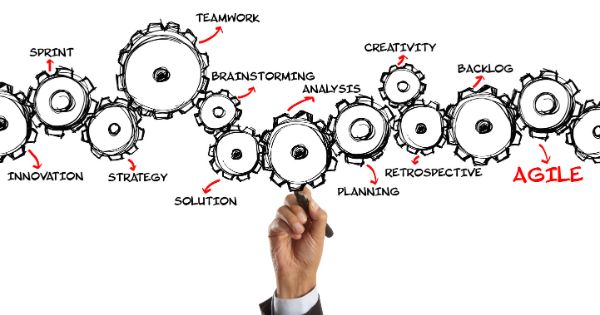
Agile Coaching has emerged as a critical facet in the domain of project management and software development. It is an intricate process that involves guiding, mentoring, teaching, and facilitating teams to adopt Agile methodologies effectively for delivering high-quality products in a timely manner. Agile coaching is not merely about imparting knowledge about Agile principles and practices; it’s about fostering a culture that embraces change, encourages continuous learning, and promotes collaboration.
The role of an Agile Coach is multifaceted. They act as catalysts to expedite the transition to agile methodologies, aiding teams in overcoming hurdles and streamlining processes. They instill the agile mindset among team members, equipping them with the requisite skills to become self-organizing while fostering communication, transparency, and respect for each other’s work. The Agile Coach often works closely with each team member to identify their strengths and weaknesses, helping them to improve and grow professionally.
The benefits of Agile Coaching are manifold. It promotes a flexible approach to project management that values customer collaboration, responding to changes, and delivering functional products. Agile Coaching also brings out the best in teams by enabling them to work more cohesively and efficiently, thus boosting productivity. It aids in establishing clear communication channels that lead to better understanding and effective decision-making.
In conclusion, Agile Coaching is a pivotal element in today’s dynamic business environment. With its emphasis on adaptability, continuous improvement, and team empowerment, it provides organizations with the tools needed to navigate complex projects successfully and deliver value to their customers. Hence, Agile Coaching plays a significant role in shaping high-performing agile teams capable of meeting the rapidly evolving demands of the business landscape.
Organizational Coaching

Organizational Coaching is a highly effective strategy employed by businesses to maximize potential and improve performance at all levels of an organization. It involves the use of professional coaches who provide a structured and supportive environment that facilitates growth, development, and progress within a company. This approach can be instrumental in fostering a culture of continuous development, learning, and improvement.
One of the primary objectives of Organizational Coaching is to enhance the leadership skills of the management team. Through coaching, managers are equipped with the necessary tools to lead effectively, inspire their teams, and drive the organization towards achieving its goals. By addressing individual weaknesses and leveraging strengths, coaching aids in transforming managers into influential leaders who can navigate through challenging situations with confidence and grace.
Beyond leadership development, Organizational Coaching also focuses on improving team dynamics. It recognizes that an organization’s success is heavily reliant on effective communication, collaboration, and mutual respect among team members. Coaches work with teams to identify and address any existing issues that may be hindering productivity or causing conflict. By fostering better relationships within teams, coaching can significantly enhance productivity and overall organizational performance.
In addition to these benefits, Organizational Coaching provides valuable insights for strategic planning and decision making. Through a process of critical analysis and reflection, coaches help organizations identify areas for improvement, formulate actionable plans, and monitor progress. This ensures that the organization is constantly evolving and adapting to changes in the business environment.
In conclusion, Organizational Coaching is a powerful tool for business growth and success. Whether it’s developing strong leaders, improving team dynamics, or aiding strategic planning, coaching can deliver significant benefits that propel an organization forward. By investing in this approach, companies are not just improving their current performance but also laying a solid foundation for long-term success.
Social Media Coaching

Social media coaching is an essential service in today’s digital age. As the world continues to shift towards an increasingly online environment, the power and influence of social media platforms cannot be underestimated. Social media coaching provides individuals and businesses with the necessary tools and techniques to effectively navigate the complex landscape of social media, from understanding different platforms to creating engaging content and building a robust online presence.
One of the primary benefits of social media coaching is its ability to equip individuals and businesses with the skills to leverage social media for various purposes. It could be for personal branding, marketing a product or service, promoting an event, or simply engaging with a specific audience. A social media coach offers invaluable insights into how these platforms operate, the best practices for engagement, and strategies for increasing visibility and reach.
Another crucial aspect of social media coaching involves teaching clients how to manage and mitigate online risks. The digital space can be fraught with potential pitfalls, including negative comments, privacy breaches, and misinformation. A social media coach guides clients through these potential challenges, providing strategies for crisis management and reputation protection.
Moreover, social media coaching is not a one-size-fits-all service. Each individual or business has unique needs and goals when it comes to their online presence. Thus, a social media coach tailors their approach based on these specific objectives, ensuring that their clients get the most out of their investment.
In conclusion, social media coaching is a vital service in today’s digital world. It provides individuals and businesses with the necessary skills and knowledge to effectively use social media platforms to their advantage while also preparing them for potential online risks. Whether it’s for personal or professional purposes, investing in social media coaching can lead to significant benefits in the long run.
Copywriting Coaching

Copywriting coaching is an invaluable tool for those looking to enhance their writing skills, particularly in the realm of advertising and marketing. This specialized form of training equips individuals with the necessary skills to create compelling and persuasive content that can effectively sell products or services. Not only does it focus on the technical aspects of writing, but also on understanding consumer psychology and market trends, which are crucial in creating impactful copy.
The role of copywriting coaching extends beyond just teaching the principles of good writing. It involves honing the ability to craft messages that resonate with specific target audiences, driving them to take a desired action. This is achieved through a mix of theoretical knowledge, practical exercises, and continual feedback.
Copywriting coaching can be beneficial for a range of individuals – from beginners just starting out in their copywriting journey to experienced professionals looking to refine their skills. Through personalised guidance and support, individuals are able to learn at their own pace and in their own style, enhancing not only their copywriting abilities but also their confidence in delivering high-quality content.
Quality copywriting coaching also emphasizes the importance of staying updated with the ever-evolving digital landscape. It incorporates lessons on SEO-friendly writing, understanding social media algorithms, and leveraging content for various digital platforms. This comprehensive approach ensures that individuals are prepared to navigate the dynamic world of digital marketing.
In conclusion, copywriting coaching is an essential investment for anyone looking to excel in the field of copywriting. It provides individuals with the knowledge, skills, and confidence needed to create compelling content that drives consumer action. Whether you’re a beginner or an experienced professional, there’s always something valuable to gain from good copywriting coaching.
Conversion Rate Optimization Coaching
Conversion Rate Optimization Coaching is an integral part of today’s dynamic and competitive digital business environment. An effective Conversion Rate Optimization Coaching can enhance the likelihood of site visitors completing a desired action on a webpage, thereby leading to increased profitability for the business.
Conversion Rate Optimization Coaching essentially involves equipping individuals and businesses with the necessary skills and knowledge to analyze their website’s performance, understand their audience’s behavior, and implement strategies that can improve conversion rates. This coaching covers a broad spectrum of areas including landing page optimization, website analytics, usability testing, and A/B testing among others.
The primary objective of Conversion Rate Optimization Coaching is to help businesses create an effective website and online marketing strategy that not only attracts visitors but also persuades them to take desired actions such as making a purchase, signing up for a newsletter or downloading a whitepaper. This is achieved by analyzing user behavior, identifying potential barriers that may be preventing conversions and implementing strategies to overcome these barriers.
The process of Conversion Rate Optimization is not a one-time activity but an ongoing process of testing, learning and refining strategies based on analytics and user feedback. Thus, Conversion Rate Optimization Coaching is crucial in empowering businesses with the necessary skills to continuously optimize their website and digital marketing strategies for maximum conversions.
In conclusion, Conversion Rate Optimization Coaching is an essential tool for businesses to maximize their online potential. Whether you’re a small business owner looking to improve your website’s performance or a digital marketing professional seeking to expand your skillset, a comprehensive Conversion Rate Optimization Coaching can provide the insights and strategies needed to boost your online conversions and ultimately, your business’ bottom line.
Retailer Coaching

Retailer Coaching is an essential tool in the modern retail industry. It refers to a process where retail businesses receive guidance and training to optimize their operations, sales techniques, and improve customer service, thereby boosting overall performance. This training can be conducted by industry professionals or experts who have a wealth of knowledge and experience in retail operations and management.
The primary objective of Retailer Coaching is to equip retailers with the necessary skills, knowledge, and business acumen that will enable them to thrive in a competitive retail market. The coaching process often includes several key elements such as inventory management, marketing strategies, customer relationship management, and employee management. More importantly, retailer coaching aims to instill a customer-centric approach in retailers, as they are taught how to understand their clientele better and tailor their offerings to meet customer needs.
In an era where the retail landscape is constantly evolving, retailer coaching has become more important than ever. It helps retailers stay abreast of the latest industry trends, technologies, and best practices. This not only allows them to adapt to changes more effectively but also provides them with a competitive edge in the market.
Ultimately, retailer coaching is a strategic investment that can yield significant returns for businesses in the retail sector. By enhancing their operational efficiency and customer service standards through expert guidance and training, retailers can significantly increase their profitability and sustainability in the long run. Therefore, retailer coaching should be seen as an integral part of business development and growth strategy for any retail business aiming for success in today’s challenging retail environment.
Ecommerce Coaching

In today’s fast-paced digital era, eCommerce has emerged as a dominant sector, offering abundant opportunities for businesses to grow and thrive in the global market. To effectively tap into these opportunities, it is imperative to possess a comprehensive understanding of the complex dynamics of eCommerce. This is where eCommerce coaching steps in, serving as a critical resource for individuals and businesses desiring to establish or expand their eCommerce ventures.
eCommerce coaching is not just about imparting the basic knowledge of setting up an online store or selling products online. It delves deeper, offering insights into market trends, customer behavior, digital marketing strategies, SEO, social media management, and more. With the eCommerce landscape constantly evolving, staying abreast of these changes and adapting to them is crucial for business success. A professional eCommerce coach can provide guidance on how best to navigate these changes and devise strategies that align with the latest trends.
Moreover, eCommerce coaching can be beneficial in overcoming common pitfalls that many beginners encounter. It provides practical solutions to real-world problems and offers valuable feedback to help improve your business strategies. Whether it is about choosing the right platform, managing logistics, pricing products competitively, or optimizing the website for better conversion rates, an eCommerce coach can offer expert advice and support.
In conclusion, eCommerce coaching plays a pivotal role in shaping successful online businesses. It equips you with the necessary skills and knowledge to effectively manage your eCommerce venture and stay competitive in the market. Investing in professional eCommerce coaching can significantly enhance your business performance and lead to substantial growth in the long run.
Money Mindset Coaching

Money Mindset Coaching is a strategic and psychological approach to financial management that aims to reshape an individual’s perception and understanding of money. It doesn’t solely focus on the practical aspects of finance, such as budgeting or investing, but rather starts from the foundation of one’s beliefs and attitudes about money. By addressing deep-seated biases and fears related to money, this coaching method can transform one’s relationship with money, enabling a healthier, more productive, and ultimately more prosperous outlook on financial matters.
The process of Money Mindset Coaching often involves uncovering subconscious beliefs about money, which may be rooted in childhood experiences or influenced by societal norms and expectations. These ingrained beliefs can limit one’s financial potential and result in self-sabotaging behaviours. Once these limiting beliefs are identified, the coaching process then works to replace them with empowering, wealth-positive attitudes. This shift in mindset can lead to more confident financial decision making and increased financial success.
Money Mindset Coaching is not just about accumulating wealth; it’s about fostering a sense of financial well-being and security. It encourages individuals to take control of their financial futures, to make informed decisions that align with their long-term goals, and to recognise their self-worth as it relates to their finances. In essence, Money Mindset Coaching is about empowering individuals to change their financial destiny by changing their mindset.
The value of Money Mindset Coaching cannot be overstated. It goes beyond the traditional understanding of financial literacy and delves into the psychological barriers that may prevent one from achieving their financial goals. By addressing these barriers head-on, individuals are better equipped to manage their finances effectively and confidently, leading to increased financial stability and prosperity.
Grant Writing Coaching

Grant Writing Coaching is a crucial aspect of fundraising for many organizations, particularly non-profit entities and research institutions. It involves the provision of guidance and training on the effective techniques of writing proposals to secure grants from various funding bodies, whether they are governmental organizations, foundations, or corporations. The process of securing a grant is often highly competitive and requires a well-crafted proposal that effectively communicates the value and relevance of the project for which funding is sought.
Grant Writing Coaching services are designed to help individuals and organizations increase their chances of success in obtaining grants. These services are typically provided by experienced professionals who have a comprehensive understanding of the grant procurement process and possess the skills necessary to write persuasive proposals. They assist in identifying suitable funding opportunities, crafting compelling grant narratives, developing realistic budgets, and adhering to the specific submission guidelines set by funders.
Through Grant Writing Coaching, individuals and organizations gain a better understanding of what funders are looking for in grant proposals. The coaching process also helps them avoid common mistakes that could lead to their proposals being rejected. Furthermore, it provides them with valuable tools and techniques to strengthen their grant writing skills for future applications.
In essence, Grant Writing Coaching is an investment towards improving one’s capability in securing vital funding for projects. It not only aids in acquiring immediate funding but also contributes to building long-term capacity within organizations for successful grant procurement. Therefore, it is a highly beneficial service for anyone involved in fundraising activities and seeking to optimize their chances of securing grants effectively.
Cultural Coaching

Cultural Coaching plays a critical role in today’s multicultural and global business environment. It is an approach that focuses on promoting understanding, empathy, and adaptability among individuals from diverse cultural backgrounds. In an increasingly interconnected world, where businesses are expanding their operations across borders, the significance of cultural coaching cannot be overstated. It allows teams to work cohesively, irrespective of their cultural differences, resulting in increased productivity, improved communication, and a more harmonious work environment.
Cultural Coaching is not just about understanding the customs and traditions of different cultures. It delves deeper into the nuances of how different cultures communicate, negotiate and perceive the world around them. This form of coaching enables leaders and employees to better understand their international colleagues, business partners, and clients, thereby fostering stronger relationships and facilitating smoother transactions.
Additionally, cultural coaching is instrumental in mitigating the potential risks associated with cultural misunderstandings. These could range from minor miscommunications to critical business errors that can have far-reaching consequences. By instilling a sense of cultural awareness and sensitivity among team members, cultural coaching helps prevent such issues from arising.
Moreover, cultural coaching promotes diversity and inclusivity within organizations. It encourages individuals to appreciate and respect the differences that each culture brings to the table. This not only enhances the overall organizational culture but also contributes significantly to innovation and creativity.
In conclusion, cultural coaching is a vital tool for businesses operating in the global arena. It fosters intercultural competence, promotes diversity, improves communication, and helps navigate the complexities of multicultural environments. As organizations continue to expand globally, the demand for cultural coaching is set to grow exponentially in the future.
Sustainability Coaching

Sustainability coaching is an emerging field that seeks to facilitate the development of sustainable practices and behaviors in individuals, organizations, and communities. This approach is rooted in the belief that achieving sustainability requires more than just technical solutions and policy changes. It also involves shifts in mindsets and behaviors, and these are areas where coaching can play a crucial role. Sustainability coaching can help people and organizations understand the importance of sustainability and guide them in making choices that are not only beneficial for them but also for the environment and society.
Sustainability coaches work with clients to identify their goals related to sustainability, help them understand the impacts of their actions, and assist them in developing strategies to achieve their objectives. These coaches use a variety of techniques, including motivational interviewing, behavior change strategies, and problem-solving approaches, to facilitate changes in attitudes, beliefs, and behaviors related to sustainability. They also help clients navigate the complexities of sustainability issues, including the often conflicting demands of economic, social, and environmental considerations.
What sets sustainability coaching apart from other forms of coaching is its explicit focus on sustainability. It is not just about personal growth or achieving organizational objectives; it is also about contributing to a sustainable future. By helping clients incorporate sustainability into their values and decision-making processes, sustainability coaches can contribute to the broader societal transition towards sustainability.
In conclusion, sustainability coaching offers a promising approach to promoting sustainable behaviors and practices. With their unique focus on sustainability, these coaches can play a vital role in facilitating the necessary shifts in mindsets and behaviors required for a sustainable future. As more individuals, organizations, and communities recognize the importance of sustainability, the demand for this kind of coaching is likely to increase.
Leadership Coaching

Leadership coaching is a personalized process that builds a leader’s capability to achieve short-term and long-term organizational goals. It is conducted through one-on-one interactions, driven by data from multiple perspectives, and based on mutual trust and respect. The coach works with leaders to help them gain self-awareness, clarify goals, achieve their development objectives, unlock their potential, and act as a sounding board.
In today’s highly competitive business environment, effective leadership is more crucial than ever. Leadership coaching can play a significant role in helping leaders develop the skills they need to navigate these challenges. It provides leaders with an opportunity to gain insights into their behaviors, learn new strategies for influencing others, manage change effectively and build high performing teams.
Furthermore, leadership coaching can also be instrumental in supporting leaders as they transition into new roles. It can provide the support leaders need to understand the expectations of their new position, develop strategies for managing the demands of the role, and build relationships with key stakeholders.
At its core, leadership coaching is about facilitating positive change. It is about empowering leaders to become more effective in their roles, by helping them to identify their strengths and areas for development, set clear and achievable goals, and develop action plans to achieve these goals. The end result is not only improved individual performance but also enhanced organizational performance.
In conclusion, leadership coaching is a powerful tool for developing and enhancing leadership capability. It offers a tailored approach that addresses the unique needs and challenges of each leader. Through this process, leaders are equipped with the skills and knowledge they need to drive business success. By investing in leadership coaching, organizations can build a strong leadership pipeline that is capable of driving sustained business performance.
Executive Coaching

Executive coaching is a highly valuable resource for professionals aiming to reach their peak performance, refine leadership skills and navigate the challenges of modern business landscapes. It is a relationship-based development process where experienced coaches work with executives to help them gain self-awareness, clarify their goals, achieve developmental objectives and unlock their potential.
The role of the coach in executive coaching is to act as a sounding board, facilitator, and guide. They provide insight, perspective, and encouragement while challenging executives to step outside their comfort zones and explore new ways of thinking and acting. This process is not only beneficial for the individual executive, but can also have a significant impact on the overall success of the organization.
Executive coaching offers numerous benefits, including improved decision making, enhanced leadership skills, increased self-confidence and better work-life balance. By fostering growth in these areas, it can lead to improved productivity, increased employee engagement and a more positive organizational culture.
In addition to personal development benefits, executive coaching also offers strategic advantages. It can help executives navigate complex business situations, manage change effectively and lead teams more efficiently. Executive coaching is not just about fixing performance issues but it’s more about enhancing the performance of high-potential individuals within an organization.
In conclusion, executive coaching is an essential investment for any organization seeking to develop its leadership talent and drive business success. It is a powerful tool that can bring about significant personal and professional transformation, leading to enhanced performance at both individual and organizational levels. The value of executive coaching should not be underestimated and organizations should consider integrating it into their leadership development strategies.
CEO Coaching

CEO coaching is a critical component in the evolution and growth of top corporate leaders. It’s a specialized form of executive coaching designed to help the CEO, or equivalent position, enhance their leadership capabilities, decision-making skills, and overall business acumen. The primary goal is to enable CEOs to drive their organizations towards their strategic objectives more effectively.
CEO coaching is a confidential, one-on-one relationship between the CEO and a certified coach. It’s a relationship built on trust, authenticity, and mutual respect. The process of CEO coaching involves identifying the CEO’s strengths and areas of improvement, setting specific goals, developing action plans, and measuring progress over time. The coach acts as an objective sounding board, providing feedback, insight, and guidance to help the CEO navigate the challenges they face.
CEO coaching is not about telling CEOs what to do; instead, it’s about helping them discover their own answers. Coaches use powerful questioning techniques to stimulate critical thinking and promote self-awareness. They also provide resources and tools to help CEOs enhance their leadership skills, build stronger teams, and increase business performance.
The benefits of CEO coaching are numerous. It helps CEOs gain clarity on their vision and strategy, improve interpersonal relationships, enhance communication skills, manage stress and work-life balance, and ultimately drive better business results. Research indicates that organizations led by coached CEOs tend to have higher employee engagement levels and better financial performance.
In conclusion, CEO coaching is a strategic investment that pays significant dividends both for the individual leader and the organization as a whole. By challenging CEOs to be the best they can be, coaching helps unlock their full potential and leads to greater organizational success.
Sports Coaching

Sports coaching plays a pivotal role in the world of sports, shaping athletes into high-performers and fine-tuning their skills to reach their peak performance. It is a multifaceted profession that requires a broad understanding of various sports techniques, strategies, and methodologies, coupled with exceptional interpersonal skills to effectively communicate with and motivate athletes.
Sports coaching goes beyond merely teaching the rules and techniques of a particular sport. It involves instilling values, building character, and promoting physical fitness among athletes. A good sports coach understands the importance of fostering positive attitudes, respect for the sport, and team spirit among players. They are responsible for developing a safe and inclusive environment that encourages performance enhancement and personal growth.
Furthermore, understanding the physical condition, strengths and weaknesses of each player is an integral part of sports coaching. The coach develops tailored training programs that are designed to harness the strengths of each individual player while working on their areas of improvement. This personalized approach not only optimizes performance but also reduces the risk of injuries.
Additionally, sports coaching involves psychological training as well. Coaches help athletes cope with pressure, build resilience, and maintain focus during high-stakes competitions. They play a crucial role in managing stress levels and boosting the mental health of athletes.
In essence, sports coaching is a dynamic profession that requires a deep understanding of sports science, psychology, and human behavior. It is about recognizing potential, nurturing talent, driving performance, and ultimately contributing to the overall growth and development of athletes. A successful sports coach is a mentor, motivator, strategist, psychologist, and role model all rolled into one. They possess a unique blend of technical expertise and emotional intelligence that is vital for shaping athletes into champions.
Strength Coaching

Strength coaching is a specialized field of physical fitness that focuses on improving an individual’s strength and endurance. The primary goal of strength coaching is to help individuals enhance their physical power and increase their performance in sports or other physically demanding activities. Strength coaching not only improves physical prowess but also promotes overall well-being, as it contributes to improved bone health, better weight management, and reduced risk of injury.
A strength coach is a trained professional who uses scientifically proven techniques to increase an individual’s muscle strength and power. They employ a wide range of exercises and training programs that target different muscle groups to ensure balanced and comprehensive strength development. These coaches are equipped with the knowledge to tailor training programs according to the specific needs and goals of the individual.
Strength coaches also play a vital role in injury prevention and rehabilitation. They guide individuals on proper exercise form and technique to avoid injuries, and they can also design recovery programs for those who have suffered physical injuries.
Moreover, strength coaching goes beyond the physical aspect. A good strength coach also works on developing an individual’s mental toughness. They help individuals set realistic goals, develop discipline, and maintain motivation, which are all critical for achieving success in any physically demanding endeavor.
In conclusion, strength coaching is an essential aspect of physical fitness that offers numerous benefits. Whether you’re an athlete looking to improve your performance, an individual recovering from an injury, or someone who simply wants to get stronger and healthier, strength coaching can provide the guidance and support you need to achieve your goals.
Sleep Coaching

Sleep coaching is a specialized field of expertise that aims to improve an individual’s quality of sleep through the implementation of various methods and techniques. The primary purpose of sleep coaching is to identify, address, and rectify the issues that interfere with optimal sleep patterns. This process involves a comprehensive understanding of the science behind sleep, a meticulous assessment of an individual’s sleep pattern, and the crafting of personalized strategies to enhance sleep quality and duration.
Sleep plays a crucial role in maintaining overall health and well-being. It enables the body to repair itself and be fit and ready for another day. However, due to various reasons, such as stress, lifestyle choices, or medical conditions, many people struggle with achieving restful, quality sleep. This is where Sleep Coaching steps in.
Sleep Coaching is not a one-size-fits-all approach. It recognizes that every individual has unique sleep needs and challenges. Sleep coaches work closely with individuals to understand their specific issues related to sleep. They utilize their knowledge and insights about sleep science to guide individuals towards healthier sleep habits. They may recommend adjustments in daily routines, changes in the sleep environment, or suggest relaxation techniques to promote better sleep.
Moreover, Sleep Coaching also has a crucial role in managing sleep disorders such as insomnia, sleep apnea, or restless leg syndrome. With their professional guidance, individuals can learn how to modify their behaviors and manage these conditions effectively.
In conclusion, Sleep Coaching is an effective approach for improving one’s sleep quality. Whether you’re dealing with a sleep disorder or merely looking for ways to optimize your sleep patterns, working with a sleep coach can provide valuable insights and practical strategies to enhance your overall well-being through improved sleep.
Wellness Coaching

Wellness Coaching is a progressive approach towards health and wellbeing that focuses on the individual’s unique needs and goals. It is a holistic method that considers all aspects of an individual’s life, providing tools and strategies to manage stress, improve nutrition, increase physical activity, and enhance overall quality of life. Wellness Coaching aims to empower individuals to make mindful decisions regarding their health and wellness, helping them to achieve a balanced and fulfilling lifestyle.
The role of Wellness Coaching extends beyond simply providing advice on diet and exercise. It encompasses psychological, emotional, and spiritual aspects of health, acknowledging that all these areas are interconnected and equally important for achieving optimal wellness. A wellness coach works closely with individuals to identify their health goals, design a personalized wellness plan, and provide ongoing support and motivation throughout their wellness journey. The coach serves as a guide, helping individuals navigate through challenges, celebrate successes, and maintain motivation to continuously strive towards their wellness goals.
What sets Wellness Coaching apart from other health services is its client-centered approach. The focus isn’t just on treating the symptoms but on understanding the root causes of health problems, looking at lifestyle factors that may be contributing to these issues. This approach allows individuals to take an active role in their health management, fostering self-empowerment and lasting behavior change.
In conclusion, Wellness Coaching is a powerful tool for promoting health and wellbeing. It encourages individuals to take charge of their health, providing comprehensive support that addresses not just physical, but also mental and emotional aspects of wellness. With the guidance of a wellness coach, individuals can create sustainable changes that lead to improved health outcomes and overall life satisfaction.
Fitness Coaching

Fitness coaching has emerged as a vital industry in the modern world, not only for athletes but for individuals aiming to maintain a healthy lifestyle. It is a comprehensive field that focuses on enhancing one’s fitness levels through structured exercise routines, tailored nutrition plans, and continuous monitoring of progress. Fitness coaching goes beyond the conventional gym training, offering a personalized approach to meet individual health and fitness goals.
One of the key aspects of fitness coaching is its emphasis on personalization. The fundamental principle of fitness coaching is rooted in understanding the individual’s physical capabilities, health conditions, lifestyle habits, and fitness objectives. This enables the fitness coach to design an optimal workout regimen and nutrition plan that aligns with the individual’s specific needs and goals. A fitness coaching program may encompass strength training, cardiovascular exercises, flexibility training, balance exercises, and more depending on one’s physical condition and objectives.
Moreover, fitness coaching plays an instrumental role in fostering motivation and accountability. A fitness coach offers the much-needed encouragement and guidance to keep individuals on track with their fitness journey. They provide a balanced approach to wellness by integrating mental health support alongside physical training. This holistic approach enhances overall well-being, leading to improved performance and quality of life.
Furthermore, fitness coaching is also about educating individuals about their bodies and how different exercises impact them. It encourages people to take ownership of their health, fostering long-term commitment to maintaining optimal fitness levels. With the increasing awareness about the importance of physical fitness in preventing chronic diseases and promoting overall well-being, the demand for professional fitness coaching is on the rise.
In conclusion, fitness coaching offers a comprehensive and personalized approach to physical wellness. By focusing on individual needs, fostering motivation and accountability, and promoting education about body mechanics, fitness coaching ensures sustainable commitment to fitness and health.
Skills Coaching

Skills coaching is a powerful tool utilized in various sectors to enhance individuals’ capabilities and expertise. It is a focused approach that concentrates on developing specific skills sets required for a person to excel in their respective fields. This form of coaching can range from technical skills, such as computer programming, to soft skills like leadership and communication. The objective of skills coaching is to provide tailored guidance, constructive feedback, and the necessary resources to foster self-development and continuous learning.
The process of skills coaching involves a systematic approach where the coach works closely with the individual to identify areas of improvement, set achievable goals, and formulate an action plan. The coach then provides support and encouragement while monitoring the individual’s progress towards achieving these goals. This can involve practical exercises, shadowing, role-playing, and other forms of experiential learning. This interactive process ensures that the individual gains hands-on experience which further reinforces their learning and application of new skills.
Skills coaching is not confined to just improving an individual’s abilities but also has a significant impact on an organization’s performance. It helps create a culture of continuous learning and improvement, leading to increased productivity and efficiency. Moreover, it promotes employee engagement and retention as employees feel valued and invested in their personal growth.
In conclusion, skills coaching is a transformative process that empowers individuals to enhance their capabilities and become more proficient in their roles. It is not only beneficial for personal growth but also plays a crucial role in an organization’s success. Therefore, skills coaching is an investment that yields substantial returns for both the individual and the organization.
Job Skills Coaching

In today’s competitive job market, Job Skills Coaching has become an indispensable tool that equips individuals with the necessary aptitudes and abilities to succeed in their chosen career paths. It is a systematic process that focuses on enhancing one’s professional competencies, ranging from communication skills, leadership qualities, strategic thinking, to specific technical skills required in different industries.
Job Skills Coaching offers a structured method of learning and development, tailored to meet individual needs. The ultimate goal is to improve performance, productivity, and overall job satisfaction. This process often involves identifying one’s strengths and areas for improvement, setting achievable career goals, developing action plans, and providing continuous feedback to monitor progress.
The importance of Job Skills Coaching should not be underrated. In an ever-evolving job market, it is vital for individuals to continuously update and refine their skills to stay relevant. Job Skills Coaching provides the platform for this continuous learning and development. It not only prepares individuals for their present roles but also equips them with the skills needed for future career advancements.
Moreover, Job Skills Coaching fosters a culture of lifelong learning and encourages self-improvement. It promotes a proactive approach to career development, enabling individuals to take charge of their own professional growth. In the long run, this not only benefits the individuals but also contributes positively to the overall success of an organization.
In conclusion, Job Skills Coaching is an essential component of personal and professional development in today’s dynamic job market. It empowers individuals with the necessary skills and confidence to excel in their careers while fostering a culture of continuous learning and development.
Personal Brand Coaching

Personal Brand Coaching is an essential tool in today’s competitive business world. It is a strategic process that helps individuals to understand their unique value proposition, and to communicate it effectively to their target audience. This approach can be instrumental in facilitating career growth, expanding networks, and establishing a strong online presence.
In the context of career advancement, Personal Brand Coaching aids in defining one’s professional identity. It assists individuals in aligning their personal goals with their professional aspirations, and in showcasing their skills, knowledge, and experiences in a compelling and authentic manner. This is crucial in setting oneself apart from the competition, and in securing opportunities that align with one’s career objectives.
Moreover, Personal Brand Coaching plays a pivotal role in fostering valuable connections. It equips individuals with the necessary skills to engage with their audience on a deeper level, and to build relationships based on trust and mutual respect. This can open doors to collaborations, partnerships, and new opportunities.
In today’s digital age, establishing a strong online presence is critical. Personal Brand Coaching provides guidance on leveraging digital platforms to enhance visibility and reputation. It aids in developing a consistent brand message across various channels, and in managing one’s online reputation effectively.
In conclusion, Personal Brand Coaching is a powerful tool that empowers individuals to take charge of their personal and professional development. It enables them to articulate their unique value proposition confidently, build meaningful relationships, and navigate the digital landscape effectively. In an increasingly competitive market, investing in Personal Brand Coaching can provide a significant edge and pave the way for success.
Spiritual Coaching

Spiritual coaching is a unique and transformative practice that lays emphasis on the growth and betterment of an individual’s spiritual journey. The core idea behind Spiritual Coaching is to connect people with their true selves, God, Jesus, and the Holy Spirit. It aims to guide individuals towards finding their purpose in life, enhancing their spirituality, and fostering a deeper understanding of the world around and within them.
Spiritual coaches aid individuals in their journey towards spiritual awakening by enabling them to connect with something that is much bigger than themselves. The connection with God, Jesus, and the Holy Spirit provides individuals with a broader perspective on life, allowing them to see beyond their immediate surroundings and problems. It helps them realize their true potential and inner strength.
Moreover, Spiritual Coaching is not confined to any specific religion or belief system. It is about personal growth and self-discovery, irrespective of one’s faith or religious affiliation. It encourages individuals to seek their answers from within and harness the power of the divine presence in their lives.
Spiritual Coaching provides a safe and non-judgmental space for individuals to explore their spiritual beliefs, doubts, experiences, and aspirations. Through deep conversations and powerful questioning, spiritual coaches help individuals gain clarity about their spiritual goals, overcome obstacles on their spiritual path, and make meaningful changes in their lives. They support individuals in aligning their actions with their values and beliefs, thereby making their lives more fulfilling and purposeful.
In conclusion, Spiritual Coaching is a powerful tool for personal transformation and spiritual growth. It helps individuals connect with God, Jesus, the Holy Spirit, and their true selves, leading them towards a life of greater purpose, fulfillment, and inner peace.
Healing Coaching

Healing Coaching is an emerging field that marries the principles of traditional coaching with the holistic perspective of healing. This unique approach leverages the power of both fields to facilitate personal growth and transformation, helping individuals overcome physical, emotional, and spiritual challenges and ultimately, reach a state of well-being and fulfillment.
Healing Coaching can be an incredibly powerful tool for those dealing with various forms of trauma, stress, or illness. It goes beyond addressing symptoms to explore the root causes of discomfort and disease. The coach works collaboratively with the client to identify limiting beliefs, patterns, and behaviors that may be contributing to their current state of health. They assist in creating a personalized healing plan that encompasses not just physical aspects like diet and exercise, but also emotional, mental, and spiritual elements. The aim is to guide clients towards self-awareness and empower them with the tools and strategies necessary to instigate meaningful change in their lives.
Moreover, Healing Coaching takes on a holistic approach, recognizing the interconnectedness of body, mind, and spirit. The role of the coach is not to diagnose or treat specific ailments but rather to support the client in their healing journey. Through practices like mindfulness, meditation, energy work, and intuitive guidance, they can help foster a sense of balance and harmony within the individual. Ultimately, Healing Coaching is about facilitating self-healing and fostering resilience, equipping individuals with the tools they need to navigate life’s challenges with grace and courage.
In conclusion, Healing Coaching is a transformative process that encourages individuals to take active roles in their health and well-being. It promotes a deeper understanding of oneself and one’s life circumstances, leading to personal growth and improved quality of life. As more people seek holistic approaches to health, the demand for Healing Coaching is expected to rise, making it a promising field for both professionals and clients alike.
Christian Coaching

Christian Coaching, a niche in the broader field of coaching, is a profession that integrates principles of the Christian faith with traditional coaching methodologies to facilitate personal and professional development. This form of coaching is based on the belief that every individual is created with a unique purpose and potential, which can be uncovered and realized through the application of Christian values and principles.
The primary objective of Christian Coaching is to help individuals discern their God-given purpose and align their lives accordingly. This is achieved by focusing not just on skill development, but also on character formation and spiritual growth. As such, a Christian coach does not merely provide advice or solutions; rather, they guide individuals towards self-discovery and self-improvement from a Christian perspective.
One of the unique aspects of Christian Coaching is its emphasis on a holistic approach to personal development. It recognizes that an individual’s spiritual, emotional, and physical well-being are interconnected. Therefore, Christian coaches not only seek to enhance clients’ professional skills or improve their relationships, but also foster their spiritual growth and emotional health.
Moreover, Christian Coaching operates on a foundation of biblical values and principles, such as love, faith, hope, integrity, humility, and service. These values guide the coaching process and inform the goals set by the coach and client. For instance, a typical goal in Christian Coaching might involve growing in faith or developing a deeper relationship with God, alongside other personal or professional objectives.
In conclusion, Christian Coaching is an integrative approach to coaching that draws upon Christian beliefs and values to facilitate personal and professional growth. It is not merely about achieving success in worldly terms; it is about aligning one’s life with God’s purpose and living out one’s faith in every sphere of life.
Religious Coaching

Religious coaching is a specialized form of life coaching that focuses on helping individuals deepen their understanding of their faith, navigate spiritual challenges, and integrate their beliefs into their daily lives. This type of coaching is often sought after by people who want to align their decisions and actions with their religious beliefs and values. It’s a journey of self-discovery and spiritual growth, facilitated by a coach who respects and understands the individual’s faith tradition.
Religious coaching can be an essential tool for individuals who are looking to find a deeper sense of purpose or fulfillment in their lives. It offers a safe and supportive environment where individuals can explore their beliefs, ask questions, and seek guidance. This kind of coaching can also be beneficial to individuals who are experiencing a crisis of faith or those who want to explore new dimensions of their spirituality.
The role of a religious coach is not to impose their own beliefs or interpretations, but rather to guide the coachee in their spiritual journey. They use questioning techniques and active listening to help the coachee gain insights and discover their own answers. Religious coaches are often trained in theological studies and have a deep understanding of various religious traditions, which enables them to provide relevant and culturally sensitive support.
In conclusion, religious coaching is a powerful tool for personal and spiritual development. It can help individuals navigate life’s challenges with grace, resilience, and faith. Whether someone is seeking clarity about their beliefs, looking for ways to live more authentically according to their values, or searching for spiritual healing and transformation, religious coaching can provide the guidance and support they need.
Youth Coaching

Youth coaching represents a specialized field of life coaching that focuses on the unique needs, challenges, and opportunities faced by young individuals. It is designed to help youth identify their strengths, develop their potential, foster their self-esteem, and navigate the complexities of adolescence and early adulthood.
At its core, youth coaching aims to empower young people to make thoughtful decisions about their personal, academic, and career paths. Youth coaches do this by creating a supportive environment that encourages self-exploration and self-expression. They provide guidance and mentoring, helping young individuals to set achievable goals, develop effective strategies for reaching those goals, and cultivate resilience in the face of challenges.
While youth coaching can take many forms, it often involves one-on-one sessions where the coach and youth work together to identify areas for growth and development. This can include developing skills in communication, leadership, decision-making, and problem-solving. Moreover, youth coaching also encourages young individuals to take responsibility for their actions and decisions, fostering a sense of accountability and independence.
Youth coaching is not just about improving performance in school or sports. It’s about helping young people understand themselves better, build confidence, and create a vision for their future. This can have a profound impact on a young person’s life trajectory, setting them up for success in various aspects of life.
In conclusion, youth coaching plays a crucial role in the holistic development of young individuals. It provides them with the tools and guidance they need to navigate the challenges of adolescence and early adulthood confidently and effectively. By doing so, it helps them grow into well-rounded adults who can make positive contributions to society.
Personal Development Coaching

Personal Development Coaching is a powerful tool that aids individuals in achieving their personal and professional goals. This coaching methodology is designed to help people gain clarity about their aspirations, identify the obstacles that stand in their way, and formulate practical strategies for overcoming these challenges. Personal development coaching is not simply about fixing what’s wrong; it’s about nurturing what’s right and enhancing an individual’s strengths to propel them towards a more fulfilling future.
The unique aspect of personal development coaching lies in its holistic approach to growth. It is not limited to a single facet of life, such as career advancement or academic success, but encompasses all areas – personal relationships, physical health, emotional wellbeing, and spiritual growth. This comprehensive approach ensures that progress made in one area harmoniously complements improvements in other areas of life.
Personal Development Coaching draws from a variety of disciplines, including psychology, neuro-linguistic programming, and behavioral sciences. These varied perspectives provide a well-rounded approach to personal development, ensuring that the individual’s needs are met from multiple angles. The coach acts as a facilitator of change, guiding the individual through their transformation journey while providing support and motivation along the way.
Moreover, personal development coaching encourages self-awareness and introspection. It helps individuals understand their motivations and fears and how these factors influence their choices and actions. This heightened self-awareness serves as the foundation for sustainable change.
In summary, Personal Development Coaching is a comprehensive approach to personal growth and self-improvement. It takes into account the complexities of human behavior and life circumstances, providing tailored strategies that promote holistic growth and sustainable change. By fostering self-awareness and personal transformation, it empowers individuals to reach their full potential and live satisfying lives.
Happiness Coaching

Happiness Coaching represents a burgeoning field in personal and professional development, centered around the cultivation of joy, satisfaction, and overall well-being. It is a specialized form of coaching that focuses on helping individuals discover and harness what truly makes them happy. In an era where stress, anxiety, and dissatisfaction often reign, Happiness Coaching serves as a beacon of hope, guiding individuals towards a more fulfilled, balanced life.
The role of a Happiness Coach isn’t limited to merely promoting optimistic thinking. Instead, it delves into various aspects of an individual’s life, from their relationships and career to personal goals and self-perception. By examining these areas, Happiness Coaching assists individuals in identifying areas of dissatisfaction and developing strategies to enhance overall contentment.
The unique value proposition of Happiness Coaching lies in its holistic approach to well-being. Rather than concentrating solely on problem areas, it encourages individuals to nurture positive emotions, foster meaningful relationships, and cultivate personal strengths. It is grounded in the belief that happiness is an achievable state of mind, not a fleeting emotion tied to specific events or achievements.
Happiness Coaching also promotes the concept of positive psychology, which emphasizes the flourishing of human strengths and potentials. This approach helps individuals live an engaging, meaningful life while also dealing with challenges and setbacks in a more resilient manner. Essentially, Happiness Coaching guides people in creating a life that not only feels good but is also filled with purpose, connection, and joy.
In the corporate world, Happiness Coaching is gaining traction as a tool for enhancing employee satisfaction and productivity. By fostering a happier work environment, businesses can benefit from improved morale, increased creativity, reduced absenteeism, and enhanced team collaboration.
In conclusion, Happiness Coaching is an empowering journey towards self-discovery and growth. It helps individuals redefine their perceptions of happiness and provides them with the tools needed to lead a more fulfilling life. Whether in personal or professional domains, Happiness Coaching can profoundly impact one’s overall well-being and satisfaction.
Emotional Freedom Technique Coaching

Emotional Freedom Technique Coaching, often abbreviated as EFT Coaching, is a growing arena in the field of personal development and healing. It is a holistic therapy method that combines the principles of ancient Chinese acupressure and modern psychology to alleviate physical and psychological distress. The technique, often referred to as ‘tapping’, involves the stimulation of acupressure points while focusing on a specific issue. The objective is to release trapped energy, thereby relieving emotional distress and potentially improving physical symptoms.
EFT coaching is becoming increasingly recognized for its effectiveness. It’s being used as a tool for managing stress, anxiety, depression, phobias, and even post-traumatic stress disorder. Its growing popularity can be attributed to its flexibility and adaptability, as it can be tailored to meet individual needs and circumstances.
Emotional Freedom Technique Coaching provides an avenue for individuals to take control of their emotional health. This therapeutic approach empowers individuals by teaching them how to self-administer the technique. The role of an EFT coach is to guide individuals in identifying their emotional and physical pain points, understand their root causes and instruct on how to use tapping to address these issues.
The impact of Emotional Freedom Technique Coaching extends beyond immediate relief from distress. It facilitates a more profound understanding of the mind-body connection, fostering overall emotional health. Furthermore, it equips individuals with a self-help tool they can use at their discretion, providing a sense of autonomy over their well-being.
In conclusion, Emotional Freedom Technique Coaching plays a pivotal role in modern therapeutic practices, offering a unique blend of traditional and contemporary techniques. Its effectiveness in addressing a wide range of emotional and physical issues positions it as an essential tool in the pursuit of emotional freedom and overall well-being.
Self-discovery Coaching

Self-discovery coaching represents a powerful tool intended to facilitate personal growth and transformation. It is a process that fosters self-awareness, empowering individuals to delve into their inner selves to understand their passions, strengths, weaknesses, and deeper purpose. This transformative journey often leads to significant life changes, as individuals gain profound insights into their personal and professional lives.
Self-discovery coaching is not a one-size-fits-all approach. It is highly personalized, designed around the unique needs and aspirations of each individual. Coaches work closely with individuals to help them uncover their true potential and unlock their full capabilities. The process involves various techniques, including reflective exercises, guided visualizations, and thought-provoking discussions aimed at challenging pre-existing beliefs and perceptions.
The true power of self-discovery coaching lies in its ability to facilitate personal evolution. By helping individuals understand themselves better, it enables them to make more informed decisions about their personal and professional lives. As they gain clarity about their values, passions, and life goals, individuals tend to experience increased confidence and a greater sense of fulfillment.
Moreover, self-discovery coaching often serves as a catalyst for positive change. By identifying limiting beliefs and patterns of behavior, it allows individuals to break free from what holds them back and opens up new realms of possibilities. The transformation that occurs through self-discovery coaching often has far-reaching impacts, influencing not just the individual’s personal growth but also their relationships, career, and overall quality of life.
In conclusion, self-discovery coaching is a powerful journey of personal transformation that fosters self-awareness, facilitates personal development, and inspires positive change. By tapping into the power of self-discovery, individuals can unlock their full potential and create meaningful changes in their lives.
Purpose Coaching

Purpose coaching is a transformative process that aims to help individuals discover their true life’s purpose and align their actions to achieve that purpose. This form of coaching is not just about setting goals and achieving them; it’s about understanding one’s innermost desires, values, and passions to lead a fulfilled and meaningful life. Purpose coaching goes beyond the conventional realms of personal or professional coaching, delving into the deepest essence of an individual’s existence.
The role of a purpose coach is to guide individuals through self-introspection and exploration to uncover their core purpose. They facilitate the process of self-discovery, helping clients to identify their unique strengths, passions, and values. They provide the tools, strategies, and support needed for individuals to realize and align their life with their true purpose.
Purpose Coaching can be a powerful tool for personal growth and transformation. It can help individuals gain clarity about their direction in life, make meaningful career choices, improve their relationships, and enhance overall well-being. By aligning actions with purpose, individuals can lead more fulfilling, meaningful lives.
With the increasing pressures of modern life and the quest for happiness and fulfillment, Purpose Coaching is gaining prominence. It offers a path to a deeper level of satisfaction, far beyond material success. It provides individuals with a compass to navigate their life journey, steering them toward a destination that resonates with their true self.
In conclusion, Purpose Coaching is not merely about achieving goals; it is a journey of self-discovery and transformation that leads to living a life aligned with one’s deepest values and passions. It’s about discovering what truly matters to you and pursuing it with conviction and passion. Whether you’re at a crossroads in your career or seeking deeper fulfillment in your personal life, Purpose Coaching can provide the guidance and support you need to navigate your path with clarity and confidence.
Friendship Coaching

Friendship coaching is a relatively new concept that has gained momentum due to the increasing complexities of modern interpersonal relationships. As we navigate through various stages of life, we often find ourselves facing challenges in maintaining and nurturing our friendships. This is where Friendship Coaching comes into play, providing guidance to help individuals foster healthy, fulfilling, and sustainable friendships.
Friendship coaching is not just about solving disagreements or conflicts among friends. It goes beyond that, covering a wide range of aspects such as understanding and respecting boundaries, effective communication, empathy, and mutual respect among friends. A friendship coach equips individuals with the necessary skills to build stronger bonds, handle conflicts tactfully, and understand the dynamics of their relationships better.
In today’s fast-paced world, where digital communication often supersedes face-to-face interactions, maintaining meaningful relationships can become challenging. Hence, Friendship Coaching can prove to be significantly beneficial. A friendship coach can provide insights into effective communication strategies, help individuals understand their relationship patterns, and provide tools to nurture and sustain friendships.
Moreover, friendship coaching can also help individuals who struggle with forming new friendships. By helping them understand their barriers and guiding them towards healthy interaction strategies, a friendship coach can facilitate the process of making new friends.
In conclusion, Friendship Coaching is an innovative approach to improving the quality of our social interactions. It not only enhances our existing friendships but also empowers us to build new ones effectively. Whether you are struggling with a friendship issue or simply want to enhance your social skills, seeking friendship coaching could be the key to unlocking healthier and more satisfying relationships.
Personal Style Coaching

Personal Style Coaching is a professional service that assists individuals in defining and refining their personal image, style, and confidence. By addressing elements such as clothing, accessories, grooming, and body language, a personal style coach helps clients project a strong, cohesive image that resonates with their personal and professional goals. This process can empower individuals to portray their unique identity and personality in a more confident manner, thus improving their social interactions and career prospects.
Personal Style Coaching is about more than just fashion; it’s about understanding the client’s personality, lifestyle, ambitions, and the image they wish to project. The coach works closely with the client to understand these aspects and uses this information to create a unique style strategy tailor-made for the client. This strategy serves as a roadmap that guides the individual in making style choices that align with their personal brand and boosts their confidence.
One of the key benefits of Personal Style Coaching is that it helps individuals create a positive first impression. As the saying goes, ‘you never get a second chance to make a first impression.’ In today’s highly visual society where we are often judged by our appearance, having a polished personal style can create powerful and positive impressions on others.
In essence, Personal Style Coaching is an investment in oneself. It’s about empowering individuals to feel good about themselves, boost self-confidence and achieve their desired image. By helping clients understand their body type, color palette, lifestyle needs, and fashion preferences, a personal style coach helps them make smart style choices that not only look good but also feel right. In doing so, Personal Style Coaching can have a transformative effect on an individual’s self-esteem and overall quality of life.
Performance Coaching
Performance Coaching is a powerful tool used by organizations to enhance the effectiveness and potential of their employees. It is a strategic process that involves helping individuals identify and achieve their personal and professional goals. The main objective of Performance Coaching is to create a workforce that is not only skilled, but also motivated, committed, and aligned with the organization’s strategic objectives.
Performance Coaching involves a series of one-on-one consultations between the coach and the coachee, where the coach facilitates the self-learning of the coachee. The coach does not necessarily provide solutions to problems, but instead, guides the coachee in discovering their own solutions based on their skills, experiences, and knowledge. This form of coaching is highly beneficial as it promotes self-awareness, self-responsibility, and self-belief in the coachee, leading to improvements in their performance.
Moreover, Performance Coaching assists in identifying gaps in skills, knowledge or attitude that may be hindering an individual’s performance. By focusing on these areas, individuals can improve their performance levels and contribute more effectively towards the success of the organization. In addition to this, coaching also helps in fostering a culture of continuous learning and development within the organization.
Notably, Performance Coaching should be a continuous process rather than a one-time event. Regular coaching sessions are essential to ensure that employees are consistently improving and developing. Also, it is important for organizations to have a well-structured coaching program in place, with clear objectives and measures of success.
In conclusion, Performance Coaching is an invaluable tool that can significantly boost an organization’s productivity and competitiveness. It not only enhances individual performance but also contributes to team and organizational success. Therefore, organizations should consider integrating Performance Coaching into their human resource strategies to reap its numerous benefits.
Energy Coaching

Energy Coaching is a rapidly growing sector of the coaching industry that focuses on helping individuals and organizations tap into their inherent energy to maximize performance, productivity, and overall wellbeing. The essence of Energy Coaching lies in the understanding that every person and organization possesses a unique pattern of energy, which when harnessed effectively, can lead to remarkable outcomes. This branch of coaching is not just about boosting physical vitality, but it also encompasses emotional, mental, and spiritual energies.
Energy Coaching begins with the premise that all our actions, behaviors, and attitudes are influenced by our energy levels. This could be physical energy derived from our health and fitness or psychological energy influenced by our thoughts, emotions, and attitudes. By understanding these energy patterns, an energy coach can help individuals channel their energies more effectively to achieve their goals. It involves identifying energy blocks or leaks and working on strategies to overcome them.
Energy Coaching can benefit anyone who is willing to explore their personal or professional life from a new perspective. It can be particularly beneficial for those who feel stuck in their current situations or are struggling with stress, burnout, or low motivation. As an individual learns to manage their energy more effectively, they often experience an increase in productivity, improved relationships, enhanced creativity, and a greater sense of satisfaction and fulfillment in life.
In the organizational context, Energy Coaching can be instrumental in improving team dynamics, enhancing employee engagement, fostering innovation, and driving organizational change. By helping team members understand their energy patterns and how they impact others, an Energy Coach can facilitate more effective communication and collaboration.
Overall, Energy Coaching is a powerful tool for personal growth and organizational development. It provides a unique lens to understand ourselves and others better and offers practical strategies to manage our energies effectively for optimum performance and wellbeing. It is an approach that combines the principles of psychology, neuroscience, leadership development, and mindfulness to help individuals and organizations thrive in today’s challenging environment.
Goal-setting Coaching

Goal-setting coaching is a strategic process that empowers individuals and organizations to identify, articulate, and achieve their objectives. This coaching aspect is integral to personal development and professional growth as it fosters a clear understanding of one’s ambitions, establishes a path to achieve them, and implements effective strategies to monitor progress. By leveraging goal-setting coaching, individuals can unlock their potential, enhance their performance, and accelerate their journey to success.
At the core of goal-setting coaching lies the concept of creating SMART (Specific, Measurable, Achievable, Relevant, Time-bound) goals. This methodology ensures that goals are not merely lofty aspirations but are instead well-defined targets that are realistically achievable within a specified timeline. Coaches work closely with their clients to develop these targets, providing guidance on clarifying objectives, identifying potential obstacles, and developing strategies to overcome them.
Moreover, goal-setting coaching is not confined to the initial stages of target identification and strategy formulation. It is a continuous process that involves regular follow-ups to assess progress, make necessary adjustments, and provide ongoing motivation. This consistent engagement helps maintain focus on the end goal and fosters accountability.
In an organizational context, goal-setting coaching can be instrumental in driving business growth and enhancing team performance. It helps align individual goals with broader organizational objectives, fostering a sense of shared purpose and collaboration. By creating a culture of goal setting, organizations can enhance employee engagement, improve productivity, and achieve sustainable growth.
In conclusion, goal-setting coaching is a powerful tool for personal and professional development. By facilitating clarity of purpose and providing structured guidance on achieving objectives, it empowers individuals and organizations to realize their full potential and achieve their aspirations. Whether you are an individual seeking to improve your personal performance or an organization aiming for business growth, goal-setting coaching can provide the direction and support necessary for success.
Focus Coaching

Focus coaching is an innovative approach to personal and professional development that aims to enhance an individual’s ability to concentrate, prioritize, and achieve their goals. This method of coaching is increasingly gaining recognition for its effectiveness in helping individuals and teams to maximize their potential, improve performance, and create sustainable changes.
The primary objective of focus coaching is to support individuals in enhancing their mental clarity, promoting a deeper level of understanding, and encouraging the creation of effective strategies for goal attainment. It essentially assists clients in identifying and eliminating distractions, setting realistic goals, developing action plans, and maintaining a high level of motivation. The overall aim is to foster an environment that promotes productivity and efficiency.
The process of focus coaching involves a variety of techniques and methodologies. These may include cognitive-behavioral strategies, mindfulness techniques, neuro-linguistic programming (NLP), motivational interviewing, and other evidence-based approaches. The key here is customization: the approach must be tailored to the unique needs, challenges, and objectives of each client.
Focus coaching can be beneficial in a wide range of contexts. Whether it’s a student struggling with concentration, a business leader seeking to improve their team’s performance, or an individual striving for personal growth and self-improvement, focus coaching can provide the necessary tools and support.
In conclusion, focus coaching serves as a powerful tool for unlocking potential and fostering success. It promotes a sense of self-awareness, discipline, and resilience that is invaluable in today’s fast-paced and ever-changing world. Therefore, whether you’re an individual seeking to boost your productivity or an organization aiming to enhance your team’s performance, investing in focus coaching could be a game-changing decision.
Creativity Coaching

Creativity coaching is a professional field that fosters the development and enhancement of one’s creative abilities. It offers a tailored approach to helping individuals break through creative blocks, nurture their imaginative spirit, and harness their innovative potential. Creativity coaching encompasses various techniques and strategies that aim to boost confidence, increase productivity, and inspire original thinking.
Creativity coaching is not exclusive to artists or those in traditionally creative professions. In today’s competitive business environment, everyone from corporate leaders to entrepreneurs can benefit from enhancing their creative capabilities. Creativity coaching can offer fresh perspectives, enabling the discovery of innovative solutions to complex problems and facilitating the development of unique ideas and approaches.
Furthermore, creativity coaching goes beyond just sparking innovation. It’s a comprehensive process that involves understanding the individual’s unique needs, strengths, and weaknesses. A creativity coach works collaboratively with the client, providing a safe and supportive space for them to explore their creative capacities freely. Through this process, individuals can gain greater self-awareness and develop resilience in the face of creative challenges.
Additionally, creativity coaching can aid in cultivating a more balanced life. Creative pursuits often require a significant investment of time and energy, which can lead to feelings of overwhelm or burnout. A creativity coach helps individuals manage their time effectively, set realistic goals, and maintain a healthy work-life balance.
In conclusion, creativity coaching is an invaluable resource for anyone seeking to maximize their creative potential. Whether you’re an artist feeling stuck in a creative rut, a business leader looking for innovative strategies, or simply someone wanting to inject more creativity into your daily life, a creativity coach can provide the guidance and support you need. By fostering an environment that encourages exploration and embraces failure as a part of the learning process, creativity coaching can empower individuals to achieve their creative goals and elevate their overall performance.
Habits Coaching

Habits coaching is an innovative approach to personal development that focuses on modifying and improving an individual’s daily routines and actions. It is a powerful tool for bringing about sustainable positive change in one’s life. The process of habits coaching operates on the principle that our everyday habits, whether big or small, significantly contribute to our overall success and happiness. These habits shape our lives, either propelling us towards our goals or holding us back.
In essence, habits coaching involves identifying detrimental behaviors and replacing them with beneficial ones that align with an individual’s desired goals. It requires a deep understanding of human psychology and the science of habit formation. A competent habits coach can guide an individual through the process of habit change, providing the necessary tools, resources, and support. They can help identify the cues that trigger bad habits and suggest strategies to replace these with positive ones.
The beauty of habits coaching lies in its simplicity and effectiveness. By focusing on small, manageable changes, it reduces the overwhelm often associated with significant lifestyle transformations. Over time, these small changes compound, resulting in profound shifts in behavior and attitude.
Furthermore, habits coaching is not limited to any specific area of life. It can be applied to various aspects including health, career, relationships, personal growth, and so on. Whether it’s about adopting healthy eating habits, improving productivity at work, building stronger relationships, or developing a positive mindset, habits coaching can be instrumental.
In conclusion, habits coaching plays a pivotal role in personal development. It empowers individuals to take control of their lives by transforming their daily routines. This process is not about quick fixes but long-term sustainable change. With the guidance of a skilled habits coach, anyone can begin their journey towards a more fulfilling and successful life.
Success Coaching

Success Coaching is a transformative process that facilitates personal and professional development to improve the overall quality of life. It is a partnership between the coach and the client designed to help the client explore their potential, overcome barriers, and achieve their goals. Success coaching has been embraced by many corporations, small businesses, and individuals as a powerful tool to unlock untapped potential and drive performance improvement.
In the realm of success coaching, the primary focus is on the individual’s vision for success. The coach engages with clients to understand their values, beliefs, and objectives. The process involves identifying strengths and weaknesses, setting clear goals, developing action plans, and monitoring progress. The coach provides feedback, encouragement, and challenge to the client to facilitate personal growth and achievement.
Success coaching is not just about achieving specific goals or tackling particular issues. It’s about fostering a mindset of continuous improvement and learning. It’s about empowering individuals to take responsibility for their own success by providing them with the tools, techniques, and strategies they need to succeed on their own terms.
Great success coaches have the ability to inspire individuals to move beyond their comfort zones. They are experts in human behavior, motivation, and communication. They possess an in-depth understanding of business principles, leadership dynamics, and personal development strategies. This unique blend of skills and knowledge enables them to provide valuable insights and advice that can dramatically accelerate an individual’s path to success.
In conclusion, success coaching is a dynamic process designed to help individuals realize their full potential and attain their personal and professional goals. It’s an investment in individual growth and development that delivers tangible results. Whether you’re an executive striving for greater leadership effectiveness or an individual seeking to improve your personal life, success coaching can provide the structure, guidance, and support you need to achieve your vision of success.
Time Management Coaching

Time Management Coaching is an essential tool that assists individuals in improving their productivity, reducing stress, and achieving greater work-life balance. It is a systematic approach towards understanding how one spends their time and identifying areas where improvements can be made to maximize efficiency and productivity. The process involves creating effective strategies that help individuals to plan, control, and make better use of their time.
In today’s fast-paced world, managing one’s time efficiently has become more critical than ever. Many people struggle with time management due to various reasons such as workload, distractions, lack of planning, or procrastination. This is where Time Management Coaching can play a significant role. It can help individuals understand their time usage patterns, set clear and achievable goals, prioritize tasks based on importance and urgency, and develop effective time management habits.
Time Management Coaching not only helps in enhancing productivity at work but also contributes to overall personal growth. It aids in reducing stress levels by ensuring tasks are completed within the stipulated time frame, leaving ample time for relaxation and leisure activities. The coaching also fosters a sense of discipline and control over one’s life, leading to increased self-confidence and personal satisfaction.
Furthermore, Time Management Coaching can be beneficial for organizations as well. By investing in such coaching for their employees, companies can significantly improve their efficiency and productivity. It can also lead to better project management, improved team collaboration, and higher employee satisfaction levels.
In conclusion, Time Management Coaching is a powerful tool for personal and professional growth. It not only helps individuals manage their time more effectively but also contributes to enhancing their overall quality of life. Regardless of one’s profession or lifestyle, mastering the skill of time management can bring about significant positive changes.
Memory Coaching

Memory coaching is an emerging field that focuses on enhancing an individual’s memory and cognitive functions. It involves a variety of techniques, strategies, and exercises designed to improve memory, attention span, processing speed, and other cognitive abilities. The primary goal of memory coaching is to help individuals enhance their mental acuity, thus improving their overall quality of life.
Memory coaching is not just about memorizing facts or figures. It encompasses a broad range of cognitive abilities, including concentration, creativity, problem-solving, and decision-making. The techniques used in memory coaching can be applied in various aspects of life – from academic performance to professional development and even personal relationships.
One of the significant benefits of memory coaching is its potential to alleviate the effects of cognitive decline associated with aging or neurodegenerative diseases such as Alzheimer’s. By strengthening neural pathways and promoting mental agility, memory coaching can potentially delay the onset of such conditions and promote brain health.
In the world of education and professional development, memory coaching can also be a game-changer. Efficient learning and retention of information are paramount in these settings. Memory coaching can help students excel in their studies by enabling them to absorb and recall information more effectively. Similarly, professionals can leverage memory coaching to keep up with the demands of their careers, remain competitive in their fields, and stay ahead in an ever-evolving workplace.
In conclusion, memory coaching is much more than a trendy buzzword. It is a proactive approach to cognitive enhancement that has the potential to significantly improve an individual’s life across multiple domains. As research continues to shed light on the workings of the human brain, it’s likely that the field of memory coaching will continue to evolve and grow.
Accountability Coaching

Accountability Coaching is a powerful tool designed to ensure individuals meet their personal and professional goals by holding them responsible for their actions. As human beings, we often struggle with maintaining focus, discipline, and motivation to attain our objectives. This is where the role of an Accountability Coach becomes crucial. They provide the necessary guidance and support to help individuals reach their full potential by ensuring that they are held accountable for their actions or lack thereof.
Accountability Coaching involves a strategic process that begins with the identification of goals, followed by the development of an action plan and a system for tracking progress. The coach not only offers advice for achieving objectives but also provides constructive feedback and reinforcement to keep the individual on track. This approach encourages self-awareness, personal responsibility, and commitment, which are vital elements in achieving success.
One of the primary benefits of Accountability Coaching is its ability to instill a sense of responsibility and self-motivation. It pushes individuals to go beyond their comfort zones, face their fears, and overcome obstacles that hinder progress. Additionally, it fosters a culture of accountability which is crucial in both personal and professional settings. When people are accountable for their actions, they are more likely to make thoughtful decisions, thereby leading to higher productivity and success.
In conclusion, Accountability Coaching plays a significant role in personal and professional development. By fostering an environment of accountability, it helps individuals stay focused on their goals, encourages personal growth, and leads to the attainment of desired outcomes. Whether it’s improving performance at work, achieving fitness goals or managing personal finances effectively, Accountability Coaching can be instrumental in creating a path towards success.
Discipline Coaching
Discipline Coaching is a specialized branch of coaching, primarily focused on instilling discipline in individuals or teams to achieve personal or professional growth. It is a systematic and structured process, designed to help individuals develop self-control, consistency, and dedication. This form of coaching is particularly beneficial for those who desire to improve their productivity, manage their time effectively, and achieve their goals in a structured and organized manner.
Discipline Coaching operates on the principle that self-discipline is not a trait that someone is born with, but rather it is a learned behavior. This approach embodies the belief that discipline can be cultivated through consistent practice and guidance. In the professional scenario, Discipline Coaching can be instrumental in improving workflow efficiency, enhancing employee performance, and ultimately contributing to the overall success of an organization.
A Discipline Coach works with individuals or teams to identify areas of improvement, create tailored strategies, and provide tools and techniques to foster discipline. The coach plays a crucial role in setting clear expectations, establishing routines, and encouraging accountability. Through regular follow-ups and progress assessments, the coach ensures that the coachee stays committed to their goals and maintains a disciplined approach towards their tasks.
In conclusion, Discipline Coaching can be a valuable tool for those seeking to enhance their personal or professional life by cultivating discipline. It is not just about enforcing rules or creating strict schedules; it’s about nurturing a mindset of commitment, perseverance, and responsibility. Whether it’s about achieving career goals or personal aspirations, discipline stands as a key factor driving success. Hence, investing in Discipline Coaching can be a strategic move towards achieving desired outcomes and unlocking one’s full potential.
Navigating the Coaching Landscape: Foreseeing Trends in Specialized Niches
As we look forward to the future of life coaching, it’s apparent that the industry is poised for immense growth and diversification. The year 2023 and beyond promises a plethora of new and exciting coaching niches that cater to the evolving needs of individuals seeking guidance and support in various aspects of their lives. With over 100 relevant and popular niches, the possibilities for specialization are vast and varied.
My aspiration is to create a world where everyone is whole and complete, a world where every individual realizes their true potential and leads a fulfilled life. I envision life coaching as a platform to actualize this dream, serving as the hands and feet of Jesus Christ to heal emotional wounds, alleviate mental distress, and instill hope in those who feel hopeless.
Life coaching, in its essence, is a practical method to assist people in restoring their original authentic blueprint. It’s about helping individuals rediscover their true selves, their innate abilities, and their unique purpose in life. Life coaches serve as catalysts for change, facilitating transformation by helping clients break free from limiting beliefs and self-imposed constraints.
In the context of evolving life coaching niches in 2023 and beyond, we can expect to see an increased focus on holistic wellness, mental health awareness, personal growth, professional development, spiritual enlightenment, relationship enhancement, and much more. Each niche caters to a unique set of needs, addressing various aspects of human experience that require guidance, support, or intervention.
For instance, holistic wellness coaching is likely to gain prominence as more people realize the interconnectedness of physical, mental, and spiritual health. Mental health coaching will continue to be crucial as societal stigma around mental health issues decrease and people seek help more openly. Personal growth coaching will cater to individuals striving for self-improvement and personal development. Professional development coaching will be essential for those aiming to climb the corporate ladder or entrepreneurs seeking business success.
Moreover, spiritual coaching will serve those seeking higher consciousness or those grappling with existential questions. Relationship coaching will come to the aid of individuals and couples striving for healthier relationships. These are just a few examples of the dynamic range of niches that life coaching will encompass in 2023 and beyond.
In conclusion, the future of life coaching is promising, with myriad niches catering to diverse needs. As a life coach, my mission aligns with this vision of empowering individuals to rebuild their authentic selves – helping them reflect the image and likeness of God within them. Through life coaching, we can begin to heal our world one individual at a time – creating a society where everyone is whole, complete, and living their best lives.
Coach Directory | Linked | Academy of Influence | FJVR | Fire| Instagram | Campsite| Speaker| Reader | News 24 |