Navigating the Job Market: Comprehensive Interview Coaching for Young Adults

In my 25 years of professional experience, I have interviewed countless candidates for a wide array of positions within my companies. During this tenure, not only have I had the opportunity to gauge the competence and abilities of these candidates, but I have also been able to identify common shortcomings and pitfalls that prevent many from securing their dream jobs. Beyond my direct hiring roles, I have assisted numerous companies in developing and enhancing their interview training techniques and HR practices. My work in HR Coaching and HR Training courses has further sharpened my understanding of the hiring process and the common challenges that job seekers face.
A key observation that I have made over the years is that many potentially successful candidates miss out on great opportunities simply because they are ill-prepared for the interview process. This lack of preparedness is often not a reflection of their capabilities or potential but rather a gap in the understanding and mastering of interview techniques. Recognizing this significant barrier to employment success led me to design an exhaustive Interview Coaching program tailored to address such issues.
My Interview Coaching program is crafted to bridge this gap between potential and success. It aims not just at imparting theoretical knowledge about interviews but also at providing practical tips and strategies for navigating through them effectively. The focus is on enhancing the candidate’s confidence, improving their communication skills, and preparing them to answer typical as well as challenging interview questions with ease.
The coaching program is personalized to suit individual needs and circumstances. I believe that each job seeker is unique in their aspirations, strengths, and areas of improvement. Hence, my coaching sessions are one-to-one, ensuring undivided attention and customized guidance for each participant. These personalized sessions allow me to connect with each job seeker at a deeper level, understand their specific needs, and offer constructive feedback for improvement.
In addition to these personalized sessions, I also offer a full-day Interview Coaching seminar designed for job seekers. This seminar provides an excellent platform for participants to learn about the latest trends in job interviews, gain insights from industry experts, and network with other job seekers. It’s an immersive experience that equips job seekers with the confidence and skills needed to ace their interviews and move closer to their dream jobs.
Through my Interview Coaching program and Job Seekers Coaching sessions, I aim to empower job seekers with the knowledge, skills, and mindset needed to succeed in their job search journey. I firmly believe that with the right preparation and guidance, anyone can turn their dream job into a reality.
Enclosed below is a condensed description detailing the various aspects covered in my interview coaching programs, including free insights and methods to assist you in landing your dream job
How to Research a Company Before an Interview

Before stepping into an interview, it is crucial to conduct thorough research about the company you are interviewing with. This not only allows you to understand the company’s line of business, but it also enables you to articulate how your skills and experiences align with the company’s needs.
The first step involves visiting the company’s website. Look at their “About Us” section to understand their mission statement, values, and goals. This will give you a clear idea of what the company stands for and what they aim to achieve. You can also look out for any recent news or developments about the company.
Next, delve deeper into the company’s products or services. Understanding what they offer to their customers will help you craft your responses during the interview, demonstrating that you have a clear understanding of the business.
Social media platforms are another valuable resource to research a company. They often provide real-time updates on the company’s initiatives, culture, and engagements. Platforms like LinkedIn can also give you insights on the company’s employee structure, key personnel and their backgrounds.
Another effective way to research a company is by leveraging professional networking platforms. Reach out to current or former employees who can provide insider perspectives about the company’s work culture, management style, and growth opportunities.
Finally, consider researching the industry in which the company operates. Understanding industry trends and challenges can enable you to discuss how you can contribute to the company’s success within those contexts.
In conclusion, researching a company before an interview is crucial in preparing yourself for potential questions and discussions. It not only shows your interest in the role but also demonstrates your initiative and preparedness, which could set you apart from other candidates.
Negotiation Strategies for Entry-Level Salary and Benefits Packages

Negotiating your entry-level salary and benefits package can seem daunting, but it’s a vital part of the employment process. The first step in effective negotiation is research. Understanding the average salary and benefits for your role in your industry and geographical area can give you a benchmark to start from. Websites such as Glassdoor, Payscale and Bureau of Labor Statistics can provide this information and help you determine a realistic range for your salary expectations.
Another key negotiation strategy is to understand your value and be able to articulate it. You may be an entry-level employee, but you bring unique skills and experiences to the role that may warrant a higher salary or additional benefits. Be prepared to discuss these assets and how they will benefit the company. This could include your educational background, internships, certifications, or relevant projects.
Next, consider the entire compensation package, not just the base salary. Benefits such as health insurance, retirement contributions, tuition reimbursement, relocation assistance, and vacation time can add significant value to your overall compensation. If an employer can’t meet your salary request, they may be able to enhance other parts of your benefits package.
Lastly, practice patience and professionalism throughout the negotiation process. Salary negotiations can take time and involve multiple conversations. It’s essential to remain professional, respectful, and patient throughout these discussions. Remember that this is a negotiation; both parties are looking for a mutually beneficial agreement.
In conclusion, while negotiating an entry-level salary and benefits package can be challenging, it’s an essential skill that can have long-term impacts on your career trajectory. By doing your research, understanding your value, considering the entire compensation package, and practicing patience and professionalism, you’ll be well-equipped to negotiate a fair and rewarding offer.
The Impact of Social Media on Job Interviews: Do's and Don'ts

The impact of social media on job interviews has grown significantly, reshaping how both employers and potential candidates navigate the hiring process. In the era of the digital footprint, employers often utilize social media platforms as a supplementary tool to gain a more comprehensive perspective on potential hires. For job seekers, these platforms serve as a space to showcase their professional persona, skills, and qualifications. However, there are certain do’s and don’ts that should be adhered to when using social media in relation to job interviews.
The do’s include maintaining a professional image across all platforms and ensuring that any content shared aligns with the industry standards and expectations. It is advantageous to use these platforms to network, engage in industry-related discussions, and share your achievements and experiences relevant to your career path. Remember, your social media profile can serve as an extension of your resume, providing employers with an insight into your professional persona beyond what is presented on paper.
On the other hand, the don’ts include sharing inappropriate or offensive content, criticizing current or previous employers, or engaging in any form of online misconduct that could potentially harm your professional reputation. Privacy settings should be given due consideration; while it is important to have a visible online presence, certain personal information should remain private. Furthermore, don’t underestimate the power of social media; employers have been known to reject candidates based on their online behavior.
In conclusion, while social media can significantly impact job interviews, it is essential to use these platforms judiciously and professionally. As they say – think before you post. Your online persona could be the deciding factor in whether you land your dream job or not.
Handling Behavioral-Based Interview Questions with Ease

Behavioral-based interview questions are designed to explore a candidate’s past behavior in specific situations. The intention behind these types of questions is to gain insight into how a candidate has responded to different scenarios in the past, which can be a strong indicator of how they might react in future situations. Handling these types of questions with ease can significantly increase your chances of making a positive impression on potential employers.
One key strategy for handling behavioral-based interview questions is to prepare in advance. This includes familiarizing yourself with common behavioral questions and reflecting on your past work experiences. Think of situations where you have demonstrated desirable qualities such as leadership, problem-solving, or resilience. By doing so, you can be ready to provide specific examples that highlight these qualities when asked during the interview.
Another crucial strategy is to structure your responses using the STAR method: Situation, Task, Action, and Result. Begin by explaining the situation you were in and the task you had at hand. Then, describe the specific actions you took to address the situation or task. Finally, share the result of your actions, emphasizing what you achieved or learned from the situation. This method not only helps you provide thorough answers but also demonstrates your ability to reflect on your experiences and learn from them.
It’s essential to remember that honesty is vital when answering behavioral-based interview questions. Avoid exaggerating or fabricating stories just to impress your interviewer. Instead, focus on providing real and relevant examples that showcase your skills and experiences. If you haven’t encountered a particular situation, it’s okay to say so and perhaps discuss how you would handle it hypothetically.
Handling behavioral-based interview questions with ease requires preparation, strategic structuring of responses, and honesty. With these strategies, you can confidently navigate this part of the interview process and leave a lasting positive impression on potential employers.
How to Answer Tell Me About Yourself in an Impressive Manner

The question “Tell me about yourself” is a standard introductory question in most interviews. It’s an open-ended inquiry that allows interviewers to assess your ability to communicate effectively, understand your experience, and gauge whether you are a good fit for the position. So, how do you answer this question in an impressive manner?
First and foremost, recognizing that this question is not an invitation to share your life story but rather a chance to showcase your professionalism and relevance to the role is critical. Start by briefly introducing yourself professionally, stating your current role or position along with some key achievements in that role. This will set a professional tone for the rest of your interview and show the interviewer that you take your career seriously.
Next, consider the job description and the skills required for the role. Tailor your response to emphasize skills and experiences that directly relate to the job. For example, if you’re applying for a managerial role, focus on your leadership skills and any successful projects you’ve overseen. By doing so, you’re not just telling them about yourself, but also demonstrating why you’re a suitable candidate for the position.
Additionally, it’s important to maintain a balance between personal and professional information. While it’s advantageous to mention some personal interests or hobbies as it shows your personality and relatability, avoid dwelling too much on personal life details that are unrelated to the job.
Finally, practice makes perfect. Practice your response several times until you feel comfortable with it. Remember, confidence and clear communication are key in making an impressive impression. In essence, answering “Tell me about yourself” in an impressive manner involves a careful balance of highlighting relevant professional accomplishments, demonstrating how your skills align with the job requirements and showing a bit of your personality in a confident and articulate manner.
Using Mock Interviews to Enhance Your Interview Skills

Mock interviews serve as an important tool in enhancing your interview skills, providing a safe environment to practice and gain confidence before facing the actual interview. They are a simulation of an actual job interview, providing you with an opportunity to experience the similar kind of questions and situations that you might encounter in a real interview. The feedback you receive afterwards is invaluable, it highlights your strengths and pinpoints areas that need improvement.
One of the key benefits of mock interviews is that they help in reducing interview anxiety. Anxiety can hinder your ability to communicate effectively and perform at your best during an interview. By participating in mock interviews, you can familiarize yourself with the interview process, thus reducing anxiety and increasing confidence in your abilities to handle the situation.
Mock interviews also help you to understand what employers are looking for in potential candidates. They allow you to reflect on your responses and refine them to more effectively showcase your skills, qualifications, and experiences. The more practice you get through these simulations, the better your chances of delivering impressive responses that set you apart from other candidates during the real interview.
Moreover, mock interviews provide valuable practice in developing non-verbal communication skills. From maintaining eye contact to demonstrating positive body language, these soft skills are often just as important as your verbal responses. Mock interviews offer a platform to practice these skills and receive feedback on areas that need improvement.
In conclusion, using mock interviews as a preparation tool can significantly enhance your interview skills. They provide an opportunity to practice responding to common interview questions, reduce anxiety, develop non-verbal communication skills, and understand employer expectations. It’s a practical approach that equips you with the experience and confidence needed to succeed in actual job interviews.
Building Confidence for Job Interviews

Job interviews can be a daunting endeavor, often riddled with anxiety and uncertainty. However, building confidence for job interviews is essential in gaining a competitive edge and showcasing your full potential to prospective employers. Confidence not only aids in handling challenging questions but also in demonstrating your communication skills and aligning your abilities with the job requirements.
One of the fundamental steps in building confidence is thorough preparation. Researching the company’s background, understanding its culture, and familiarizing yourself with the job description can provide a solid foundation for your responses. Practice is another key element. Regularly rehearsing common interview questions and tailoring your answers to highlight your skills and experiences will make you more comfortable when the actual interview comes.
Another significant aspect of building confidence is managing your non-verbal communication. Your body language can often speak volumes about your confidence level. Maintaining eye contact, using a firm handshake, and exhibiting a confident posture can convey positivity and assurance.
Lastly, it’s crucial to maintain a positive mindset. Self-doubt can be detrimental to confidence levels; hence it’s crucial to eradicate negative thoughts and replace them with positive affirmations. Remember to affirm your skills, abilities, and past successes before the interview. This self-assurance can help you portray yourself as a competent candidate, thereby increasing your chances of success.
In conclusion, confidence is instrumental in performing well in job interviews. Through adequate preparation, practice, positive non-verbal communication, and maintaining a constructive mindset, you can build the necessary confidence that will set you apart from other candidates. Remember that each interview is a learning experience that aids in personal growth and professional development. Therefore, it’s important not just to focus on getting the job but also on enriching your skills and enhancing your self-confidence.
Coping with Post-Interview Anxiety: Techniques that Work

Post-interview anxiety can be a formidable challenge for many job applicants. The anticipation of hearing back from a potential employer can be nerve-wracking and stress-inducing, often leading to restlessness and sleepless nights. However, there are several effective techniques that individuals can employ to cope with post-interview anxiety.
To begin with, practicing mindfulness meditation is a powerful way to deal with anxiety. It allows an individual to stay present and focused, reducing the propensity to worry about the results of the interview. This technique not only helps in managing stress but also enhances overall mental well-being. Moreover, deep breathing exercises can also be extremely beneficial in calming the mind and body, thereby alleviating anxiety.
Another practical approach is to redirect one’s energy towards productive activities such as exercising, reading, or working on a hobby. This helps take the mind off the interview and reduces the time spent overthinking potential outcomes. Additionally, maintaining a positive attitude and affirming oneself with positive statements like “I did my best” can help reduce negative thoughts and fears about rejection.
Feedback is another critical aspect of dealing with post-interview anxiety. Reaching out to the interviewer for feedback can provide valuable insights into your performance and areas for improvement. This not only helps in personal growth but also prepares you better for future interviews.
Lastly, it is essential to remember that rejection is not a reflection of one’s worth or abilities. Instead, it should be seen as an opportunity for learning and growth. By managing expectations and understanding that not every job interview will result in an offer, individuals can significantly reduce their post-interview anxiety.
In summary, while post-interview anxiety is common, it can be effectively managed through mindfulness meditation, engaging in productive activities, maintaining a positive attitude, seeking feedback, and managing expectations. These techniques can help individuals navigate through the waiting period post-interview in a healthier and more productive manner.
Mastering the Art of Body Language in Interviews

Mastering the art of body language in interviews is an essential skill that significantly increases your chances of success. It is a non-verbal form of communication that often speaks louder than words. During an interview, body language can give away a lot about a person’s confidence, enthusiasm, and professionalism. Learning to control and use it to your advantage can prove to be a game-changer.
First impressions are often made within the first few seconds of meeting, and they are largely based on body language. A firm handshake, eye contact, and an upright posture relay confidence and assertiveness. Slouching or avoiding eye contact, on the other hand, may be perceived as signs of nervousness or lack of confidence.
Body language also provides a window into a person’s level of interest and engagement. For instance, leaning in slightly while listening or speaking indicates interest and engagement. Nodding in agreement or understanding affirmatively conveys that you are actively engaged in the conversation. On the contrary, fidgeting, looking at the clock, or glancing around the room may suggest disinterest or boredom.
Moreover, body language can be used to convey enthusiasm for the role and the organization. A genuine smile, for example, can indicate positivity and enthusiasm. However, it’s important not to overdo it as excessive hand gestures or overly enthusiastic expressions may come off as inauthentic or overly dramatic.
Mastering the art of body language in interviews requires practice and awareness. Observing others, particularly successful professionals during their interviews or speeches, can provide valuable insights into effective body language. It’s also helpful to practice in front of a mirror or record yourself to identify your own non-verbal cues and work on improving them.
In conclusion, while your qualifications and skills are critical in an interview, never underestimate the power of body language. It’s an integral part of your overall presentation and mastering it can significantly enhance your chances of landing the job.
Showcasing Leadership Skills in Entry-Level Job Interviews

Showcasing leadership skills during entry-level job interviews can be a valuable strategy to make a lasting impression on potential employers. While it might seem challenging for entry-level applicants to demonstrate leadership experience, there are various ways to highlight these abilities even without an extensive employment history.
Firstly, interviewees can display leadership skills by emphasizing their capacity to take initiative. This can be demonstrated through the presentation of academic projects or volunteer work where they took the lead. For instance, if you took charge of a group project at university or organized a charity event, these are perfect examples of leadership.
Secondly, effective communication is a cornerstone of strong leadership. Prospective employers value candidates who can articulate their thoughts clearly, listen attentively, and respond effectively. If you can showcase your ability to negotiate, persuade, or inspire others in any context, you will be underscoring your leadership potential.
Furthermore, problem-solving is another critical aspect of leadership that can be highlighted during an interview. If you can provide examples of challenges you have overcome, innovative solutions you have implemented, or how you have turned failure into learning opportunities, you will be demonstrating your resilience and strategic thinking – crucial qualities of a leader.
Finally, showing your ability to work in a team and motivate others is an excellent way to showcase your leadership skills. Employers want to hire people who can contribute positively to the team dynamic and influence others towards achieving common goals.
In conclusion, demonstrating leadership skills in entry-level job interviews is not about having years of managerial experience. It is about showing your potential to grow into a role where you can take charge, communicate effectively, solve problems strategically, and inspire those around you. By focusing on these elements, even entry-level applicants can position themselves as future leaders.
Effective Communication Skills in Interviews

Effective communication skills are crucial for success in job interviews. They not only aid in conveying one’s knowledge, abilities, and qualifications but also demonstrate a candidate’s interpersonal skills, which are highly valued by employers. The ability to express oneself clearly and concisely, listen attentively, and respond appropriately to the interviewer’s queries is a testament to one’s communication skills, which can significantly influence the outcome of an interview.
Excellent verbal communication is often the first aspect that interviewers observe. It is essential to articulate your thoughts effectively, avoiding jargon and maintaining a steady pace and tone. Non-verbal communication also plays a significant role. Maintaining eye contact, exhibiting positive body language, and showing attentiveness can leave a lasting impression on the interviewer.
Listening is another vital component of effective communication. Active listening involves fully focusing on the speaker, understanding the information, and responding thoughtfully. During interviews, it demonstrates respect for the interviewer and shows that you are engaged in the conversation.
Moreover, effective communication extends beyond the interview session. It starts with a well-written resume and cover letter and continues with timely follow-ups post-interview. Email communication should be professional, succinct, and free from errors.
The ability to communicate effectively is not an inherent trait for everyone; however, it is a skill that can be honed over time through conscious effort and practice. By mastering these skills, not only can one improve their chances of acing an interview but also foster better relationships in personal and professional life.
In conclusion, effective communication skills are indispensable in interviews. They showcase a candidate’s confidence, comprehension skills, professionalism, and overall suitability for a role. Therefore, investing time in improving these skills could significantly enhance one’s career prospects.
Tips for Creating a Memorable Elevator Pitch During an Interview

An elevator pitch is a concise, well-prepared and practiced introduction about yourself that should ideally be delivered in the time span of a proverbial elevator ride, about 30 seconds to 2 minutes. It’s your chance to make a strong, positive impression during an interview. Here are some tips to create a memorable one.
Firstly, keep it concise and clear. An effective elevator pitch should not meander or delve into unnecessary details. It should succinctly encapsulate your skills, qualifications, and the unique value you bring. Practice delivering it within the ideal timeframe of 30 seconds to 2 minutes. Over-elaborating can lead to loss of interest on the part of the interviewer.
Secondly, tailor it to the audience. The content of your elevator pitch should be adapted to the job you’re interviewing for. Highlight the aspects of your experience and skills that are most relevant to the role. Make sure to articulate clearly how your background aligns with the job requirements.
Thirdly, make it memorable by adding a unique element about yourself or your experience. This could be a past achievement, an unusual skill, or an interesting project you have worked on. The goal is to stand out from other candidates and leave a lasting impression on the interviewer.
Lastly, end with a compelling call-to-action. This could be a question that opens up further discussion or a statement that shows your enthusiasm for the role and eagerness to contribute. Remember, your elevator pitch is not just about selling yourself, but also about initiating a meaningful interaction with your interviewer.
In conclusion, a memorable elevator pitch is concise, tailored to the job, includes a unique element, and ends with an engaging call-to-action. Practice and refine it until you can deliver it confidently and naturally. This will not only set the tone for the rest of your interview but also help you stand out from other candidates.
Overcoming Nervousness in Job Interviews: Tips and Techniques

Job interviews can induce a significant amount of nervousness and anxiety. The stakes are high, and a successful interview can lead to a life-changing career opportunity. While some degree of nervousness is natural and even beneficial, excessive anxiety can hinder your performance. Therefore, it’s essential to develop strategies to manage this stress effectively.
One of the most effective techniques in overcoming nervousness is careful preparation. Research the company, understand its values, and be familiar with the role you’re applying for. This knowledge will boost your confidence and equip you with relevant points to discuss during the interview. Also, prepare for common interview questions and rehearse your responses. This will help you articulate your thoughts coherently and reduce the fear of the unknown.
Another useful approach is practicing mindfulness and relaxation techniques. Deep breathing exercises, meditation, or progressive muscle relaxation can help calm your nerves before and during the interview. Physical exercise is another excellent stress reliever. A short walk or yoga session before the interview can help clear your mind and reduce anxiety.
Visualisation is a potent tool for overcoming nervousness. Imagine yourself in the interview room, answering questions confidently, and engaging positively with the interviewer. This mental rehearsal can significantly improve your actual performance in a similar situation.
Finally, remember the importance of a positive mindset. Nervousness often stems from fear of rejection or failure. Instead, view the interview as an opportunity to learn more about the company and showcase your skills. Even if you do not get the job, you gain valuable experience that can aid in your future interviews.
In conclusion, overcoming nervousness in job interviews involves a combination of preparation, relaxation techniques, visualisation, and maintaining a positive mindset. By implementing these strategies, you can turn your job interview anxiety into confidence and poise.
How to Handle Illegal or Inappropriate Interview Questions

In the course of a job interview, the primary focus should be on your skills, abilities, and qualifications relevant to the position you’re applying for. However, there could be instances where an interviewer may ask inappropriate or even illegal questions that delve into personal information that is not pertinent to your ability to perform the job. Knowing how to handle such situations can shield you from potential discrimination and ensure a fair interview process.
Firstly, it’s important to acknowledge that not all inappropriate questions are posed with ill-intent. Sometimes, interviewers might ask personal questions in an attempt to establish rapport or out of sheer ignorance about what constitutes a legal interview question. Regardless, you have the right to decline answering any question that makes you uncomfortable or infringes on your privacy. Politely steer the conversation back to your qualifications or experience.
When confronted with an illegal question, one approach is to ask the interviewer how the question relates to the job requirements. This can help clarify whether the interviewer is seeking information that is truly relevant to the job or if they’ve crossed a line. If you still feel uncomfortable with the question, it may be best to express that you would prefer not to answer.
Remember, interviews are not just about employers evaluating candidates, but also about candidates assessing prospective employers. If an interviewer persists with inappropriate or illegal questions despite your objections, this may be a red flag about the company’s culture and practices.
Finally, if you believe you’ve been a victim of unlawful interviewing practices, seeking legal advice could be a prudent step. In many jurisdictions, laws exist to protect job applicants from discrimination during the hiring process. Knowing your rights and how to assert them is key in navigating such circumstances.
In conclusion, handling illegal or inappropriate interview questions requires tact and assertiveness. It’s crucial to protect your personal information while maintaining professionalism and focusing on demonstrating your suitability for the job at hand.
Navigating Group or Panel Interviews Successfully as a Recent Graduate

The transition from academia to the professional world can be a challenging journey, especially when it comes to navigating group or panel interviews successfully as a recent graduate. This type of interview, where a candidate is interviewed by multiple individuals simultaneously, can be daunting but with the right approach, it can be used as a platform to demonstrate one’s unique abilities and potential.
The first step in successfully navigating a panel interview is thorough preparation. This includes researching the company, its culture, and the job role in detail. Knowledge about the company and the role will enable the candidate to tailor their responses effectively, demonstrating their keen interest and commitment to the potential employer. Additionally, it’s important for graduates to understand who they are as professionals. Identifying one’s strengths, weaknesses, accomplishments, and career goals will help in presenting oneself confidently during the interview.
Another crucial aspect of navigating a panel interview successfully is mastering the art of communication. This involves not just verbal communication but also non-verbal cues such as maintaining eye contact, posture, and active listening. In a panel interview scenario, it is essential to engage with all panel members equally. When answering questions, the candidate should make sure to address everyone in the group rather than focusing on one individual. This shows respect and acknowledgement for all the panel members.
Finally, handling pressure is an integral part of a panel interview. A recent graduate may feel overwhelmed by the number of people asking questions. However, it’s essential to stay calm and composed. Taking a moment to gather thoughts before responding or asking for clarification if a question is unclear can be helpful strategies. This demonstrates that the candidate can handle pressure situations with grace, an attribute highly appreciated in professional settings.
In conclusion, navigating group or panel interviews successfully as a recent graduate involves thorough preparation, effective communication skills, and the ability to handle pressure situations. These elements combined can help turn an intimidating experience into an opportunity to shine as a promising professional.
Turning Your Weaknesses into Strengths during an Interview

Interviews can often be a challenging experience, especially when questions are asked about your weaknesses. However, with the right approach and strategic mindset, you can turn your weaknesses into strengths and greatly increase your chances of success. Your approach to addressing weaknesses can reveal your ability to self-reflect, adapt, and flourish in the face of challenges.
Acknowledging a weakness is a sign of self-awareness, humility, and truthfulness. Rather than denying or avoiding the existence of a weakness, it’s more effective to acknowledge it and then demonstrate how you’re working to overcome it. This demonstrates your ability to assess your own performance honestly and take action to improve. For example, if you’re typically an introverted person who often struggles with public speaking, you can discuss how you’ve joined a public speaking club to outgrow this fear and improve your communication skills.
It’s also essential to reframe your weaknesses by showcasing how they can be advantageous in certain situations. For example, if you’re detail-oriented to the point of perfectionism, this could lead to slower work output. However, you can turn this around by explaining that your meticulous attention ensures high-quality results and fewer mistakes. It’s all about perspective and showing that what may seem like a disadvantage can actually be a strength in the right context.
Moreover, using specific examples to illustrate how you’ve turned a weakness into a strength can be particularly compelling. Discuss situations where you’ve recognized your weakness and describe the steps you’ve taken to transform it into a strength. This not only displays your problem-solving skills but also shows that you’re proactive and committed to personal growth.
Finally, remember that everyone has weaknesses – they make us human. The key is not to let them define you but rather use them as stepping stones towards bettering yourself both personally and professionally. Turning weaknesses into strengths during an interview requires honesty, strategic thinking, and an unwavering commitment to self-improvement. With these elements in place, you’re demonstrating not just your capability to do the job, but also your resilience, adaptability, and determination to continually learn and grow.
Showcasing Transferable Skills during the Interview Process

The interview process is a crucial part of any job application. It’s an opportunity for the hiring manager to assess whether you’re a good fit for the role and the organization. One of the most effective ways to demonstrate your suitability is by showcasing your transferable skills. These are abilities you’ve developed over time and through various experiences that can be applied to different roles and industries.
Transferable skills can be in the form of communication, problem-solving, leadership, project management, or customer service among others. Regardless of the industry you are in, these skills are highly valued by employers because they demonstrate your ability to adapt and excel in diverse settings. Therefore, it is important to highlight these skills during the interview process.
How you communicate these transferable skills can make the difference between a successful interview and a missed opportunity. Start by identifying your key transferable skills and align them with the job description. Use specific examples from your previous roles to illustrate how you used these skills to achieve results. For instance, if problem-solving is one of your key strengths, provide a situation where you used this skill to overcome a challenge at work.
When showcasing your transferable skills, remember that it’s not just about telling the interviewer what you can do, but showing them through specific examples. This will help them visualize how you can add value to their team. Also, be ready to answer follow-up questions about your examples as this indicates interest from the interviewer.
In conclusion, showcasing transferable skills during the interview process is a strategic way to demonstrate your adaptability and potential value to the organization. Not only do they broaden your appeal as a candidate, but they also highlight your ability to perform effectively in different roles and settings.
Developing a Professional Online Presence Before Going on Job Interviews

In the current digital age, developing a professional online presence before going on job interviews has become increasingly important. It’s no longer just about having a polished resume and a well-crafted cover letter. Employers often turn to the internet to conduct preliminary research on candidates, and what they find can significantly impact their impressions and decisions. Therefore, managing one’s online presence is an indispensable step in job hunting, enabling you to present yourself in the best possible light to potential employers.
The first step towards developing a professional online presence is creating a LinkedIn profile. LinkedIn is a powerful networking tool that helps establish your professional identity by showcasing your qualifications, skills, work experience, and recommendations. A well-structured LinkedIn profile can serve as an online resume, making you more visible to recruiters and expanding your job opportunities.
But it’s not only about LinkedIn; consider all social media platforms you use. Ensure these profiles reflect an image that you would want prospective employers to see. This doesn’t mean you should only post about business-related topics. Instead, use these platforms to showcase your interests and personality in a respectful and positive manner.
Furthermore, creating a professional website or a blog related to your field of expertise can help you stand out from other candidates. It not only demonstrates your knowledge and passion but also gives employers an insight into your creativity and initiative.
Ensure that your online presence is coherent across all platforms, highlighting your professional capabilities while also showcasing your personal brand. Regularly update your profiles and be active in online discussions related to your industry. This can help boost your credibility and make you more appealing to potential employers.
Remember, developing a professional online presence is not an overnight process but requires consistent effort over time. However, the investment is worthwhile as it can significantly enhance your job prospects and set the stage for successful job interviews.
Preparing a Strong Resume for your First Job Interview

Creating a robust resume for your first job interview is an integral part of the job-seeking process and can significantly influence your chances of securing an interview. As a first-time job seeker, you may not have significant work experience to include in your resume. However, there are numerous ways to showcase your skills, strengths, and abilities that can make you a strong candidate for the job.
To begin with, it’s crucial to have a clear and concise objective at the start of your resume. This objective should align with the job role you’re applying for and should convincingly portray your interest and enthusiasm for the job. In the absence of professional experience, you can highlight relevant coursework, internships, volunteer work, or any other extracurricular activities that demonstrate transferrable skills. These can include leadership skills, communication skills, problem-solving abilities, or technical skills specific to the job you’re applying for.
Additionally, it’s advisable to include any accolades or achievements you’ve received during your academic years. These can range from exceptional grades, involvement in clubs or societies, or achievements in sports or other competitions. These highlights can provide insight into your dedication, perseverance, and ability to excel in challenging environments.
Another critical factor is the format and design of your resume. It should be clean, easy to read, and free of any errors or inconsistencies. Pay close attention to details such as font size and style, margin sizes, and the use of bullet points for easier readability. Remember, a well-structured resume not only looks professional but also makes it easier for hiring managers to locate key information.
Lastly, always tailor your resume to match the specific requirements of the job you’re applying for. Each job may require different skills or qualifications, so it’s essential to customize your resume accordingly. This shows potential employers that you’ve taken the time to understand their needs and that you’re genuinely interested in the role.
In conclusion, preparing a strong resume for your first job interview requires careful thought and attention to detail. By showcasing your skills, achievements, and willingness to learn, you can significantly increase your chances of landing that first job.
Developing Your Personal Brand for Successful Interviews
Developing your personal brand is a crucial aspect of achieving success in interviews. Your personal brand is an amalgamation of your skills, experience, values, and personality. It is what sets you apart from other candidates, making you unique and memorable in the eyes of potential employers. In essence, your personal brand is your professional reputation and image, and it can significantly influence your chances of success in job interviews.
The development of your personal brand begins with introspection. Identify your strengths, weaknesses, passions, values, and goals. What are the qualities that make you unique? What are the skills or experiences that set you apart from others? A clear understanding of these elements forms the basis of your personal brand. Once you have identified these core components, it’s then important to communicate them effectively. This could be through your resume, cover letter, LinkedIn profile, or during the interview itself.
Authenticity is key to a successful personal brand. Ensure that your brand genuinely represents who you are and what you stand for. It should be a true reflection of your professional self, not a false image created solely for the purpose of impressing potential employers. This authenticity will help build trust with employers and make you a more attractive candidate.
It’s also important to consistently maintain and update your personal brand as you gain more experience and skills. This might involve updating your LinkedIn profile, adjusting the way you present yourself in interviews, or taking on new challenges that align with your brand.
Your personal brand isn’t just about what you say or do; it’s also about how others perceive you. Therefore, it’s important to be aware of how you’re perceived by others – whether it’s colleagues, managers or potential employers – and to adjust your actions and communication accordingly.
In conclusion, developing a strong personal brand is an ongoing process that requires self-reflection, authenticity, and consistency. It involves understanding your unique qualities and communicating them effectively to others. With a well-developed personal brand, you can stand out from the crowd and increase your chances of success in interviews.
The Role of Emotional Intelligence in Successful Job Interviews
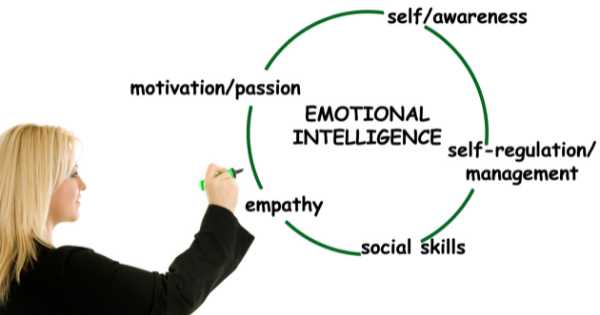
Emotional Intelligence is a crucial aspect of human interaction and communication, and it plays a significant role in successful job interviews. It refers to an individual’s ability to understand, interpret, and respond to their own and others’ emotions effectively. This quality is increasingly becoming a determinant factor for recruiters during job interviews as it is considered a key indicator of potential success in the workplace.
In a job interview scenario, emotional intelligence manifests in multiple ways. First, candidates with high emotional intelligence are often better listeners. They can pick up on subtle cues or underlying meanings in the interviewer’s words and respond accordingly. They are also adept at communicating their thoughts clearly and effectively, which is crucial in establishing rapport with the interviewer.
Secondly, individuals with high emotional intelligence are typically more self-aware. They understand their strengths and weaknesses, demonstrate humility, and can articulate their personal growth journey convincingly. This self-awareness is essential during job interviews as it shows the candidate’s ability to learn, adapt, and improve – qualities that are highly valued by employers.
Lastly, emotional intelligence plays a pivotal role in handling pressure situations during an interview process. Candidates who possess this trait remain calm under stress, address challenging questions with composure, and exhibit resilience. They can manage their emotions, thus preventing any negative feelings from impacting their performance during the interview.
In conclusion, emotional intelligence significantly contributes to successful job interviews. Not only does it help candidates navigate the interview process with confidence and composure, but it also provides recruiters with valuable insights into the candidate’s potential for success in the workplace. Therefore, nurturing emotional intelligence is undoubtedly beneficial for both job seekers and employers alike.
Building a Strong Rapport with Interviewers as a Young Adult Candidate

Building a strong rapport with interviewers is a critical factor that can significantly influence an employer’s hiring decision, particularly for young adult candidates. This process begins from the moment of initial contact, whether in-person, over the phone, or through a digital platform. To build this rapport, candidates must understand and exhibit professional etiquette, active listening skills, and the ability to communicate effectively.
Firstly, maintaining a professional demeanor is essential to establishing a positive impression. This includes dressing appropriately for the interview, arriving on time, and exhibiting polite behavior. Young adult candidates should also be prepared to discuss their skills and experiences confidently and succinctly. These actions show respect for the interviewer’s time and demonstrate a serious commitment to the role, thereby fostering a positive rapport.
Active listening is another critical aspect of building rapport. This involves not only hearing what is being said but also understanding and responding thoughtfully. By engaging in active listening, young adult candidates can show their interest in the job and their respect for the interviewer.
Effective communication also plays a key role in building rapport with interviewers. This involves clearly expressing thoughts and ideas, asking insightful questions about the role or company, and providing thoughtful responses to the interviewer’s questions. Furthermore, communicating non-verbally through eye contact, body language, and facial expressions can also help to build a strong rapport.
In conclusion, as a young adult candidate, it’s crucial to understand that building a strong rapport with interviewers is more than just making small talk or having a friendly demeanor. It involves demonstrating professionalism, engaging in active listening, and communicating effectively. By mastering these skills, young adults can make a lasting positive impression on their potential employers.
Bouncing Back from a Poor Interview Performance: Tips for Recovery

Bouncing back from a poor interview performance is not always an easy task, but it is certainly possible with the right approach. The aftermath of a subpar interview can be disheartening and demoralizing. However, it’s essential to remember that everyone has bad days and that a single poor performance does not define your overall competence or potential.
The first step to recovery is acknowledging the mistakes made during the interview. This requires a great deal of introspection and honesty with oneself. Without recognizing the areas in which you fell short, it is impossible to make meaningful improvements. It may be beneficial to request feedback from the interviewer, as they can provide valuable insights into your performance.
Once you have identified your shortcomings, devise a plan for improvement. This could involve refining your communication skills, bolstering your technical knowledge, or even improving your body language. Don’t hesitate to seek help from mentors, career coaches, or online resources to better these areas.
Simultaneously, it’s equally important to maintain a positive mindset throughout this process. While it’s okay to feel disappointed, dwelling on failures for too long can hinder your growth and progress. Instead, view the experience as a learning opportunity that will ultimately make you a stronger candidate in the future.
Lastly, don’t let one poor interview discourage you from continuing your job search. Keep applying for positions that align with your skills and career goals. Each interview is a unique experience with its own set of challenges and demands. Therefore, don’t let one negative experience color your perception of future opportunities.
Remember, everyone has had at least one unsuccessful job interview in their career. It’s how you bounce back from these experiences that truly matters. With self-reflection, dedication and a positive attitude, you can recover from a poor interview performance and come back even stronger for your next opportunity.
Online Virtual Interviews: Best Practices for Success
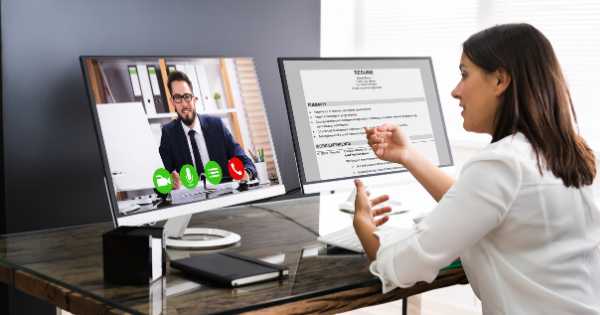
Online virtual interviews have become increasingly popular in recent years, especially due to the Covid-19 pandemic which forced many businesses to shift their operations online. This shift has also transformed the hiring process, pushing both the employers and candidates to adapt to the new normal of virtual interviews. For those unaccustomed to this method, it can be a daunting experience. However, with the right preparation and best practices, one can ensure a successful online virtual interview.
Firstly, it is essential to treat online interviews with the same level of professionalism as you would in an in-person interview. This involves dressing appropriately, being punctual and prepared to answer typical interview questions. A common mistake that candidates make is underestimating the formality of a virtual interview due to its remote nature. This, however, can lead to a negative impression on the interviewer.
Secondly, technical preparation is equally crucial. This includes ensuring a stable internet connection, familiarizing yourself with the video conferencing platform in use, and checking your audio and video settings prior to the interview. It’s also advisable to have a clean, uncluttered background and good lighting to ensure your face is clearly visible.
Additionally, it’s important to maintain good eye contact by looking directly into the webcam when speaking. This simulates direct eye contact in an in-person interview and helps build a connection with the interviewer.
Finally, follow-up after the interview is as important in online interviews as it is in traditional ones. Sending a thank you email or message expressing your continued interest in the role can leave a lasting positive impression.
In conclusion, while online virtual interviews may be different from traditional interviews, they share many similarities. By treating them with the same level of seriousness and preparation, one can increase their chances of success. As we continue adapting to this new normal, these best practices will prove invaluable in navigating the virtual hiring landscape.
Importance of Self-Assessment before Going on Job Interviews
The process of job hunting is a rigorous one, often entailing numerous interviews and assessments from potential employers. However, one crucial step that significantly increases the likeliness of success in these interviews is overlooked by many candidates – self-assessment. Prior to going on job interviews, it is of paramount importance that individuals conduct a thorough self-assessment. This exercise allows individuals to identify their strengths, weaknesses, skills, values, interests and personality traits, which invariably have an impact on their professional performance.
A comprehensive self-assessment aids in mapping out career objectives and devising strategies to achieve them. In doing so, it allows individuals to present themselves as well-rounded candidates with a clear sense of direction and purpose during job interviews. Further, it equips them with the ability to convincingly articulate why they are the best fit for the job role, thereby increasing their chances of success.
Additionally, self-assessment before going on job interviews can help individuals pinpoint areas that require improvement. By acknowledging and addressing these skill gaps prior to an interview, candidates can better prepare to tackle challenging interview questions. Moreover, it allows candidates to demonstrate a commitment to continuous learning and development, a trait highly valued by employers.
Lastly, self-assessment can also provide individuals with insights into their personal values and preferences. This can be crucial in determining whether they align with a prospective employer’s culture and values. A mismatch in this regard may lead to dissatisfaction and lower productivity in the long run.
In conclusion, self-assessment before going on job interviews is not only necessary for setting career goals and identifying areas for improvement, but also for ensuring alignment with an employer’s culture. Therefore, it is a vital step that should not be overlooked by job seekers.
Mastering the STAR Method for Answering Behavioral Interview Questions

In the realm of job interviews, the STAR method has emerged as a key strategy for effectively answering behavioral interview questions. This technique facilitates a structured response to questions that require candidates to discuss specific instances where they demonstrated particular skills or behaviors. The STAR acronym stands for Situation, Task, Action, and Result – four key components that interviewees should incorporate in their responses.
Firstly, mastering the STAR method begins with understanding each component. ‘Situation’ refers to the context within which the candidate was operating. It could be a specific project at work, an event during academic studies, or any challenging situation that required problem-solving skills. Next is the ‘Task’ – the responsibility or role taken up by the candidate in that situation. It’s important to define the task clearly as it sets the stage for discussing the ‘Action’, which is the strategy or steps undertaken to address the task. Lastly, ‘Result’ pertains to the outcome of those actions. It’s crucial that candidates not only discuss successful results but also reflect on what they learned from the experience.
Essential to mastering the STAR method is practice. Prospective candidates should mine their past experiences for situations that showcase their skills and abilities. Crafting STAR responses to potential interview questions can help candidates provide comprehensive answers while also demonstrating their capacity for critical thinking, problem-solving, and effective communication.
Moreover, specificity is key. Vague or overly general responses can dilute the impact of an otherwise strong answer. Candidates should strive to share detailed examples that vividly illustrate their competencies. By doing so, they can effectively employ the STAR method to navigate behavioral interview questions, enhancing their chances of making a positive impression on potential employers.
In conclusion, mastering the STAR method requires understanding its components, practicing regularly, and being specific in responses. When employed effectively, this method can help candidates shine in behavioral interviews, showcasing not just their experiences and skills, but also their ability to reflect on and learn from past situations.
Preparing Effective Responses to Typical Entry-Level Interview Questions

Preparing for an interview can be a daunting task, especially for entry-level positions where you may not have a wealth of professional experience to draw from. However, one mustn’t underestimate the power of preparation, particularly when it comes to formulating effective responses to typical entry-level interview questions.
One of the most common interview questions is “Tell me about yourself.” This is not an invitation to share your life story, but rather an opportunity to succinctly introduce your professional self, focusing on your skills and qualifications that are relevant to the job. Similarly, when asked about your strengths and weaknesses, it’s crucial to be honest yet strategic. Highlight strengths that align closely with the job description and discuss weaknesses in a way that shows you’re actively working on them.
“Where do you see yourself in five years?” is another common question. Employers want to gauge your ambition and commitment to the role and the company. As such, craft your response to show that you see a future with the company while also demonstrating your desire for personal growth and development.
Additionally, don’t forget situational questions like “Describe a situation where you had to overcome a challenge.” With these questions, it’s advisable to use the STAR method (Situation, Task, Action, Result) to structure your response, showing not just what you did but also how you did it and the outcomes.
Finally, always prepare questions of your own. This not only shows your interest in the role and the company but also allows you to get a feel for whether the organization aligns with your values and career goals.
In summary, preparing effective responses to typical entry-level interview questions requires understanding what the interviewer is really asking, aligning your response with the job requirements, and showcasing your abilities in a structured and concise manner. With thoughtful preparation and practice, you can confidently navigate any interview scenario.
The Art of Demonstrating Cultural Fit in a Job Interview

Demonstrating cultural fit in a job interview is an art that requires a deep understanding of the organisation’s values, mission, and work environment. This knowledge allows an interviewee to present themselves as a potential asset to the team by showcasing their alignment with the company’s culture. Researching the company, understanding its history, mission statement, and values can give you an insight into the company’s culture. You can use this information to construct your responses during the interview in a way that showcases your cultural alignment.
The art of demonstrating cultural fit doesn’t stop at understanding the company’s culture; it extends to exhibiting qualities that align with that culture. For instance, if a company values teamwork and collaboration, you can share experiences that highlight your ability to work effectively in a team. Similarly, if innovation is at the heart of an organisation, discussing instances where you demonstrated innovation will show that you’re a good cultural fit.
Additionally, consider the way you communicate during the interview. Your communication style can also be an indicator of cultural fit. If the company operates in a formal manner, ensure that your language reflects this. Conversely, if the company has a more relaxed and casual culture, demonstrate this in your conversation.
Remember that demonstrating cultural fit is not about pretending or changing who you are to fit into a company. It’s about finding a company where your values and work style align with those of the organisation. It’s about finding a place where you can be your authentic self while contributing positively to the team and company goals. Therefore, while it’s important to showcase your cultural fit during an interview, it’s equally important to ensure that the company is a good fit for you as well. This will ensure long-term satisfaction and success in your role within the company.
Winning Follow-up Strategies After Every Job Interview

Navigating the job market can be a challenging and often daunting task. However, once you have successfully completed an interview, it is crucial to employ winning follow-up strategies to increase your chances of securing the job. These strategies not only demonstrate your interest in the position, but also your professionalism and dedication.
One effective strategy is sending a thank you note or email a day after the interview. This simple gesture can set you apart from other candidates as it shows appreciation for the opportunity. It also provides an opportunity to reiterate your interest in the position and remind the interviewer of your qualifications. However, make sure to personalize each message to reflect on specific discussions from the interview, as generic messages could come across as insincere.
Another valuable follow-up strategy is staying engaged with the company. This could be through following their social media pages or subscribing to their newsletter. By doing this, you stay informed about their current projects and developments, which can be advantageous for potential future interviews. If there are any relevant updates or news about the company, it would be appropriate to share your thoughts or commendations with your interviewer.
Additionally, timing is key in follow-up communication. While you want to express enthusiasm for the role, it’s vital not to appear desperate. Therefore, allow a reasonable amount of time before sending a follow-up email or making a phone call. It’s recommended to wait at least one week post-interview before reaching out again.
Lastly, always remember to maintain your professionalism throughout all interactions with the company, regardless of whether you secure the job or not. This leaves a positive impression and could potentially open doors for future opportunities within the company or network.
In conclusion, effective follow-up strategies are an integral part of the job application process. They not only show persistence and courtesy but also reaffirm your interest and suitability for the role.
How to Handle Difficult Interview Situations with Confidence

Interviews can sometimes pose challenging situations that can test the mettle of even the most experienced professionals. Being prepared to handle such scenarios with confidence is key to standing out as a strong candidate in a competitive job market. There are specific strategies that can equip you to handle difficult interview situations with poise and assurance.
Firstly, doing your homework before any interview is crucial. Researching about the organization, the role you’re applying for, and the industry will provide you with the necessary context and background. This knowledge will not only help you answer questions with relevance but will also help you ask insightful questions, demonstrating your interest in the role and the company.
Secondly, practice makes perfect. Anticipate possible challenging questions and practice your responses beforehand. This could be questions about a gap in your employment history, reasons for leaving a previous job, or dealing with a difficult boss or colleague. Your responses should be honest yet tactful, focusing on the lessons learned rather than dwelling on the negatives.
Thirdly, maintaining a calm demeanor is essential for handling difficult interview situations. If you find yourself facing an unexpected or tough question, take a moment to gather your thoughts before responding. Rushing into an answer can lead to miscommunication or mistakes. Remember, it’s okay to ask for a moment or to have a question rephrased if you don’t understand it.
Finally, remember that an interview is a two-way street. It’s as much about you assessing if the company and role are right for you as it is about them assessing you. If a situation arises that makes you uncomfortable, consider whether this reflects the company culture and if it aligns with what you’re looking for in your next role.
In conclusion, handling difficult interview situations requires preparation, practice, patience, and perspective. With these strategies, you can navigate challenging interviews with confidence and poise.
Effective Strategies to Stand Out from Other Candidates during the Initial Screening Process

In the competitive job market, standing out from other candidates during the initial screening process is crucial. It requires a strategic approach that not only showcases your professional qualifications but also highlights your unique skills and potential. Here are some effective strategies to make a lasting impression and move onto the next stage of the hiring process.
Firstly, tailor your resume and cover letter to align with the job description. This doesn’t mean simply repeating what’s written in the job posting, but rather interpreting the needs and objectives of the role and demonstrating how your skills, experiences, and achievements make you the ideal candidate. Use relevant keywords, but ensure they are integrated naturally within your descriptions rather than appearing forced or artificial.
Secondly, display a solid understanding of the company you’re applying to. Researching about the company’s mission, values, products or services, and culture can help you develop targeted responses that resonate with what the organization is looking for. Mention how your career goals align with the company’s direction. This shows your interest and commitment, making you stand out from applicants who may have similar qualifications but lack this personalized approach.
Thirdly, leverage your online presence. A professional online profile on platforms like LinkedIn can act as an extended resume where recruiters can learn more about you. Make sure your profile is complete and up-to-date, including relevant skills, endorsements, and recommendations. Showcase any portfolio of work or projects that can attest to your abilities.
Lastly, follow up after submitting your application. A polite email or call to confirm receipt of your application or to express continued interest in the position can set you apart. However, remember to respect the employer’s process and give them adequate time before reaching out.
In summary, standing out during the initial screening process demands more than just meeting the basic job requirements. It involves demonstrating a genuine understanding and alignment with the company’s needs and goals, showcasing your unique skills and experiences, and maintaining professional communication throughout the process. By adopting these strategies, you can increase your chances of advancing in the hiring process.
Adapting to Different Types of Job Interviews: One-on-One, Panel, and Group

The modern job market is characterized by a variety of interview formats, each designed to assess different aspects of a candidate’s suitability for a role. These can range from traditional one-on-one interviews, panel interviews involving multiple interviewers, to group interviews where several candidates are evaluated simultaneously. Adapting to these different types of job interviews can significantly enhance your chances of success.
In one-on-one job interviews, the interaction is typically between the candidate and a single interviewer, usually a hiring manager or an HR representative. This format allows for a deep and detailed conversation, enabling the interviewer to assess the candidate’s skills, qualifications, and cultural fit for the company. To succeed in one-on-one interviews, it’s crucial to establish a good rapport with the interviewer, articulate your responses clearly, and demonstrate your understanding of the role and the company.
Panel interviews, on the other hand, involve multiple interviewers who could be representatives from different departments within the company. This format allows for a comprehensive evaluation of the candidate from various perspectives. Adapting to panel interviews requires effective communication skills and the ability to handle multiple questions from different people. It’s important to maintain eye contact with all panel members, address each question thoughtfully, and strike a balance between confidence and humility.
Group interviews are another common format where several candidates are interviewed together. This format is often used when companies are hiring for roles that require strong teamwork or customer service skills. In group interviews, it’s essential to stand out from other candidates while also demonstrating your ability to work effectively in a team. Active participation, leadership skills, and a collaborative mindset are key to succeeding in this format.
In conclusion, each type of job interview requires a specific approach and set of skills. One-on-one interviews call for interpersonal skills and clarity in communication. Panel interviews require the ability to engage with multiple people simultaneously, while group interviews necessitate teamwork and leadership abilities. By understanding these distinctions and adapting accordingly, candidates can significantly enhance their performance and increase their chances of securing the job.
Interview Coaching: Your Gateway to Career Success and Dream Job Achievement
Interview and career coaching, in my perspective, is a strategic process that goes beyond preparing individuals to excel in interviews and secure any job. Rather, it is a holistic approach aimed at aligning an individual’s personal values and beliefs with their career choice for genuine job satisfaction. This belief stems from the conviction that true job fulfilment is not merely about earning a paycheck, but finding a role and a company that complement our personal values and beliefs. It is about finding a place where we can utilize our unique talents, express our originality, and live in accordance with our values and faith.
Furthermore, interview and career coaching is also about cultivating a mindset of preparedness. A well-articulated CV and robust interview preparation are significant components of this process. The purpose of these elements is not just to impress potential employers but to give them a comprehensive understanding of who you are, your skills, your values, and how these align with their organization.
However, it’s vital to note that preparation alone does not guarantee job satisfaction. It is the symbiotic relationship of faith and action that brings about substantial results. The expression “faith without works is dead” comes to mind in this context. It means that faith alone, without action or effort on our part, is inadequate. Therefore, while we have faith for divine intervention in our career journey, we must also do our part by adequately preparing for the opportunities that come our way.
In conclusion, interview and career coaching is not merely about securing employment but aligning our careers with our core values for true job satisfaction. While faith plays a crucial role in this process, we must remember to match it with corresponding action – effort on our part. Therefore, as we engage in this process, let’s remember to align our personal values with our career choices, prepare adequately for opportunities, and couple our faith with action for a fulfilling career journey.
Read More | Popular Coaching Niches | Sales Training | Christian Life Coaching | Christian NLP Coaching |
Coach Directory | Linked | Academy of Influence | FJVR | Fire| Instagram | Campsite| Speaker| Reader