
Navigating Post-Divorce Life: The Benefits of Divorced Couples Coaching
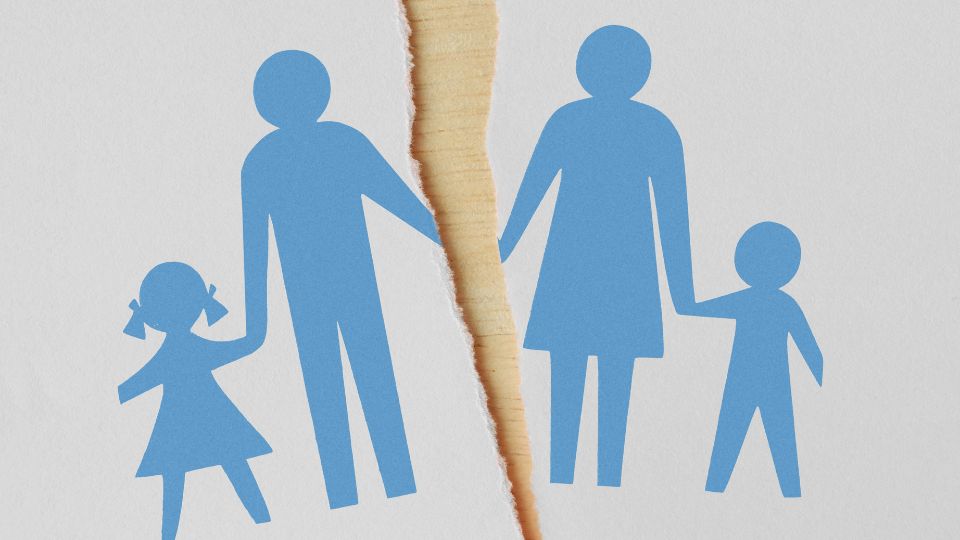
Divorce can be an emotionally challenging and stressful experience for couples, often leaving them feeling lost, overwhelmed, and uncertain about the future. In such times, the guidance and support provided by a divorce coach can be invaluable. This article explores the world of coaching for divorced couples and highlights the various ways in which it can assist individuals in navigating the complexities of post-divorce life. From addressing emotional healing to effective co-parenting strategies and financial planning, coaching offers a holistic approach to support and empower individuals as they rebuild their lives. By delving into the emotional challenges of divorce and the role of a divorce coach in the healing process, this article aims to shed light on the transformative impact coaching can have on individuals and couples seeking to navigate the uncertainties that arise after divorce.
Introduction to Coaching for Divorced Couples
Divorce can be a messy and emotionally draining process. It’s like trying to untangle a pile of headphones while riding a rollercoaster. But fear not, because coaching for divorced couples is here to save the day (or at least make it a little less chaotic).
Why Coaching is Beneficial for Divorced Couples
Coaching provides a safe and supportive space for divorced couples to navigate the challenges that come with the end of a marriage. It helps them gain clarity, identify their goals, and develop strategies to move forward. Think of it as having a personal cheerleader, therapist, and strategist all rolled into one. Plus, it’s a lot more affordable than hiring an actual cheerleading therapist…if that’s even a thing.
The Role of a Divorce Coach in the Healing Process
A divorce coach is like a divorce fairy godparent, minus the sparkly dress and magic wand (although they might bring some much-needed tissues and chocolate). They help individuals process their emotions, navigate the rollercoaster of grief and loss, and find ways to heal and move forward. With their guidance, divorced couples can gain a better understanding of themselves and their needs, which is crucial for building a brighter future.
Understanding the Emotional Challenges of Divorce
The Impact of Divorce on Emotional Well-being
Divorce is like an emotional tornado that can leave you feeling lost, confused, and possibly covered in debris. It can take a toll on your emotional well-being, leaving you with feelings of sadness, anger, and uncertainty. Understanding and acknowledging these emotions is the first step towards healing and rebuilding.
Grief and Loss: Navigating the Emotional Rollercoaster
Divorce is a loss, plain and simple. It’s saying goodbye to a life you once knew and embarking on a new journey. Just like riding a rollercoaster, there will be ups and downs, twists and turns, and possibly a few screams along the way. Navigating this emotional rollercoaster requires resilience, self-compassion, and the support of a divorce coach who can help you stay on track (and maybe even enjoy the ride).
The Role of a Divorce Coach in the Healing Process
Supporting Emotional Healing and Mental Health
Healing from divorce is like nursing a broken heart with metaphorical band-aids and emotional ice cream. A divorce coach provides the much-needed support and guidance to help individuals heal emotionally and prioritize their mental health. They offer a listening ear, a shoulder to cry on, and practical strategies to promote self-care and well-being.
Empowering Individuals to Overcome Challenges and Set Goals
Divorce not only brings challenges but also opportunities for personal growth and reinvention. A divorce coach is like your personal cheerleader, helping you dust off your superhero cape and discover your strengths. They empower individuals to set goals, develop action plans, and find new meaning and purpose in their lives. After all, life is too short to dwell on the past when there’s a whole world of possibilities waiting to be embraced.
Effective Communication Strategies for Co-Parenting
Creating a Positive Co-Parenting Relationship
Co-parenting after divorce is like juggling flaming torches while riding a unicycle – it requires skill, balance, and the ability to not set everything on fire. Effective communication is the key to building a positive co-parenting relationship. A divorce coach can help you and your ex-partner navigate the tricky waters of co-parenting, establish boundaries, and find ways to collaborate for the well-being of your children. They’ll be like your personal communication lifeguard, ready to dive in when things get choppy.
Managing Conflict and Difficult Conversations
Conflict and difficult conversations are like uninvited guests at a family reunion – you know they’re coming, but you’re never quite prepared for the chaos they bring. A divorce coach can equip you with effective communication strategies and tools to manage conflict, express your needs, and find common ground with your co-parent. With their guidance, you’ll be able to navigate the stormy seas of co-parenting with grace and a sense of humor. Because let’s face it, sometimes laughter is the best way to diffuse a tense situation.
Strengthening Personal Growth and Self-Care After Divorce
Rebuilding Self-Identity and Discovering Personal Strengths
After a divorce, it’s normal to feel a bit lost and unsure of who you are as an individual. However, this is the perfect time to rediscover yourself and rebuild your self-identity. Take the opportunity to explore your interests, hobbies, and passions that may have taken a backseat during your marriage.
Engage in activities that make you feel alive and remind you of your personal strengths. Whether it’s painting, joining a book club, or taking up a new sport, these experiences will help you reconnect with who you truly are and build your self-confidence.
Nurturing Self-Care Practices for Emotional and Physical Well-being
Divorce can take a toll on both your emotional and physical well-being, so it’s essential to prioritize self-care during this time. Take care of yourself by ensuring you get enough sleep, eating nourishing foods, and exercising regularly.
Furthermore, don’t hesitate to seek professional help or therapy if needed. This is a challenging period, and having a trained professional to guide you through the emotional rollercoaster can be extremely beneficial. Pamper yourself with activities that bring you joy and relaxation, like taking long baths, going for walks in nature, or indulging in a good book. Remember, self-care isn’t selfish; it’s necessary for your overall well-being as you navigate life after divorce.
Rebuilding Trust and Creating a Successful Co-Parenting Relationship
Rebuilding Trust and Establishing Boundaries
Divorce can strain trust, especially if it was a contentious separation. However, when children are involved, it becomes crucial to rebuild trust and create a successful co-parenting relationship. Start by establishing clear boundaries and open lines of communication with your ex-partner.
It’s essential to set realistic expectations and follow through on commitments. Avoid making promises you can’t keep, as this can further erode trust. Be reliable, respectful, and consistent in your interactions, even if it’s challenging at times.
Collaborating Effectively as Co-Parents
Successful co-parenting requires effective collaboration and compromise. Keep in mind that your children’s well-being should be the priority. Focus on maintaining a healthy and respectful relationship with your ex-partner for the sake of your children.
Communicate openly about parenting decisions, schedules, and important events in your child’s life. Be flexible and willing to find solutions that work for everyone involved. Remember, co-parenting is about teamwork, so strive for open-mindedness and understanding as you navigate this new chapter of your relationship.
Navigating Financial Issues and Creating a Solid Financial Plan
Understanding Financial Implications of Divorce
Divorce often comes with financial implications that need to be addressed. Understand the financial aspects of your divorce settlement, including division of assets, alimony, child support, and potential tax implications. Seek the guidance of a financial advisor or consult a lawyer to ensure you have a clear understanding of your financial situation.
Developing a Strategic Financial Plan for Post-Divorce Life
Once you have a grasp on your post-divorce financial situation, it’s essential to create a strategic financial plan. Review your income, expenses, and savings goals. Develop a budget that aligns with your new circumstances and prioritize financial stability.
Consider the long-term implications of your financial decisions, like retirement planning, insurance, and investments. It may be helpful to seek professional financial advice to ensure you’re making informed choices for your financial future.
Building a Support System and Finding Community in Post-Divorce Life
The Importance of Emotional Support and Building a Network
Divorce can be emotionally challenging, so having a strong support system is crucial. Surround yourself with friends and family who are understanding and supportive during this transition. Share your thoughts and feelings with trusted confidants who can provide a listening ear and offer advice when needed.
Furthermore, consider seeking out others who have gone through similar experiences by joining support groups or online communities. Connecting with individuals who understand the unique challenges of divorce can provide a sense of belonging and help you feel less alone.
Exploring Support Groups and Community Resources
Don’t underestimate the power of support groups and community resources in helping you navigate life after divorce. These resources can provide you with valuable insights, guidance, and reassurance during this period of change.
Explore local support groups, online forums, or workshops specifically catered to individuals going through divorce. These platforms can offer a safe space to share experiences, learn coping strategies, and gain practical advice on various aspects of rebuilding your life post-divorce.
Remember, you’re not alone in this journey, and there are people and resources available to support you every step of the way.In conclusion, coaching for divorced couples serves as a guiding light during the difficult transition after divorce. By providing emotional support, effective communication strategies, and practical guidance, divorce coaches empower individuals to overcome challenges and embrace a positive future. Whether it is rebuilding trust, strengthening personal growth, or navigating financial matters, coaching offers valuable tools and resources to create a successful post-divorce life. With the support of a divorce coach, couples can find healing, growth, and create a fulfilling co-parenting relationship. Embracing the opportunity for personal transformation, divorced couples can move forward with confidence and resilience, ready to embrace new beginnings and create their own happily-ever-after.
FAQ
How can coaching benefit divorced couples?
Coaching provides divorced couples with a supportive and structured framework to navigate the challenges of post-divorce life. It offers emotional support, helps individuals rebuild trust, enhances communication skills, and provides practical guidance on co-parenting, financial planning, and personal growth. By working with a coach, couples can gain clarity, develop effective strategies, and ultimately create a successful and fulfilling new chapter in their lives.
Is coaching only for couples who have recently divorced?
No, coaching is beneficial for divorced couples at any stage of their post-divorce journey. Whether you divorced recently or several years ago, coaching can provide valuable insights and tools to address ongoing challenges and facilitate personal growth. It can help couples navigate co-parenting dynamics, overcome emotional hurdles, and achieve greater clarity and fulfillment in their lives.
How long does coaching for divorced couples typically last?
The duration of coaching for divorced couples can vary depending on individual circumstances and goals. Some couples may find that a few sessions are sufficient to address specific challenges, while others may benefit from a longer-term coaching relationship. A divorce coach will work with the couple to develop a customized plan that aligns with their needs and provides ongoing support as they navigate their post-divorce journey.
Can coaching help improve communication between divorced couples?
Absolutely. Effective communication is crucial for co-parenting and building a successful post-divorce relationship. A divorce coach can help couples develop strategies to improve communication, manage conflict, and establish healthy boundaries. Through coaching, couples can learn to express their needs, listen actively, and find common ground, ultimately fostering better communication and a more positive co-parenting dynamic.
Read More | Popular Coaching Niches | Christian Life Coaching | Christian NLP Coaching | Coaching Methodologies |