
How To Give Constructive Feedback Effectively
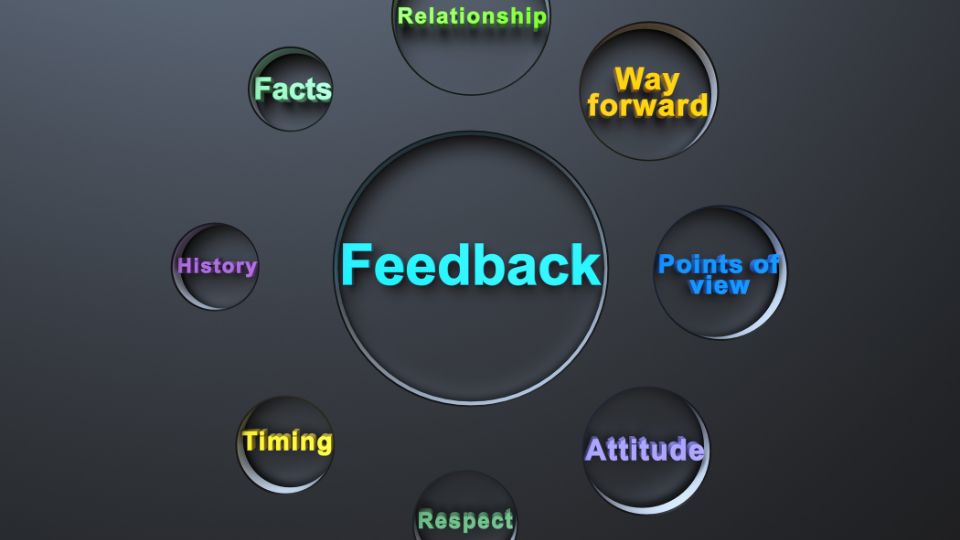
Giving constructive feedback effectively is an essential skill in any professional setting. Whether you’re a manager providing guidance to your team or a colleague offering input to a peer, the way you deliver feedback can greatly impact individual growth, team dynamics, and overall performance. Constructive feedback, when delivered with intention and empathy, has the power to motivate, inspire, and drive positive change. In this article, we will explore the importance of constructive feedback, how to create a positive feedback culture, the significance of language and tone, effective structuring techniques, the role of active listening and empathy, providing actionable steps for improvement, handling difficult situations, and the importance of follow-up and monitoring progress. By understanding and implementing these strategies, you can enhance your ability to give constructive feedback that fosters growth, collaboration, and continuous improvement in any professional environment.
The Importance of Constructive Feedback
Constructive feedback is like the secret sauce of personal and professional growth. It’s the kind of feedback that doesn’t just tell you what you did wrong, but also how to do it better next time. And let’s face it, none of us are perfect (except maybe Beyoncé), so a little constructive feedback every now and then can work wonders in helping us improve.
Recognizing the Value of Constructive Feedback
Constructive feedback is not about tearing someone down or making them feel bad about themselves. It’s about providing valuable insights and suggestions that can help someone develop their skills and reach their full potential. It’s like having a personal cheerleader who also happens to be a brutally honest coach.
Benefits of Effective Feedback
Effective feedback can have a profound impact on both personal and professional growth. It can boost motivation, enhance performance, and strengthen relationships. It helps us see our blind spots, challenge our assumptions, and discover new ways of doing things. So, if you want to be a catalyst for growth, learning how to give effective feedback is a superpower you definitely want in your arsenal.
Creating a Positive Feedback Culture
Building a culture where constructive feedback thrives is not easy, but it’s totally worth it. Imagine a place where people feel safe to share their ideas, make mistakes, and learn from each other. Sounds like Nirvana, right? Well, with a little effort, you can create a feedback utopia too.
Establishing Trust and Psychological Safety
Trust and psychological safety are the magical ingredients that make people feel comfortable receiving feedback. When someone trusts that your intentions are genuine and that you have their best interests at heart, they’re more likely to be open and receptive. So be kind, empathetic, and always maintain confidentiality when giving feedback.
Encouraging a Growth Mindset
A growth mindset is like the Swiss Army knife of personal development. It’s the belief that we can improve through effort, practice, and feedback. By encouraging a growth mindset, you create an environment where people see mistakes as opportunities to learn and grow, rather than as personal failures. So celebrate efforts, embrace setbacks, and let everyone know that even Beyoncé had to work hard to become Beyoncé.
Understanding the Power of Language and Tone
When it comes to giving feedback, words really do matter. The way you phrase your feedback can either inspire or deflate someone’s spirit. So choose your words wisely and consider the impact they may have.
Choosing the Right Words
Instead of saying, “You really messed up,” try saying, “There might be a more effective way to approach this.” See the difference? By framing feedback in a positive and constructive manner, you can still get your point across without making someone feel like they’ve just been hit by a freight train.
Using Non-defensive and Non-judgmental Language
No one likes feeling attacked or criticized, especially when receiving feedback. So, instead of saying, “You’re always doing this wrong,” try saying, “I’ve noticed an opportunity for improvement in this area.” By focusing on behaviors and specific actions, rather than labeling someone as “bad” or “wrong,” you create a climate where feedback is seen as a chance to grow, rather than a personal attack.
Structuring Your Feedback for Maximum Impact
Structure is all about making your feedback clear, concise, and impactful. It’s like giving someone a roadmap to navigate their way to improvement.
Providing Specific and Concrete Examples
Vague feedback is about as helpful as an umbrella in a hurricane. Be specific and provide concrete examples that illustrate your point. Instead of saying, “Your presentation was weak,” try saying, “Your presentation lacked clarity in explaining the benefits of our product, and it would have been stronger if you had included more data to support your claims.” See the difference? Specificity helps people understand exactly where they can improve.
Highlighting Strengths and Areas for Improvement
Feedback shouldn’t be a one-way street of criticism. Remember to highlight people’s strengths too. By acknowledging their talents and successes, you create a balanced perspective that motivates and inspires. And don’t forget to suggest areas for improvement, because there’s always room to grow and become an even more awesome version of yourself.
So, armed with this knowledge, go forth and conquer the art of giving constructive feedback. With a little practice and a sprinkle of kindness, you’ll be helping others thrive and succeed in no time. Plus, who knows, maybe Beyoncé will want your feedback next. Stranger things have happened!
Active Listening and Empathy in Feedback Sessions
Giving feedback effectively is not just about what you say, but also how you listen and empathize with the person receiving feedback. Active listening techniques and displaying empathy are key to creating a constructive feedback session.
Active Listening Techniques
Active listening involves fully engaging with the other person’s words, not just hearing them. It shows that you value their perspective and are genuinely interested in understanding their point of view. Try these active listening techniques during feedback sessions:
Maintain eye contact and body language that shows you are attentive.
Avoid interrupting or finishing their sentences.
Paraphrase and summarize their statements to ensure mutual understanding.
Ask open-ended questions to encourage them to express their thoughts fully.
Avoid distractions and focus solely on the conversation.
Showing Empathy and Understanding
Empathy is crucial in feedback sessions as it helps create a safe and supportive environment. It allows the recipient to feel understood and valued. Here’s how to show empathy during feedback sessions:
Acknowledge their feelings and emotions without judgment.
Use phrases like, “I can understand why you may feel that way” or “I see how this situation could be challenging.”
Validate their experiences and perspectives, even if you may disagree.
Share personal examples of similar experiences to establish common ground.
Providing Clear and Actionable Steps for Improvement
When giving feedback, it’s essential to provide clear and actionable steps for improvement. Vague feedback can leave the recipient feeling lost and unsure of how to make positive changes.
Setting SMART Goals
One effective way to provide actionable steps is by setting SMART goals for the person receiving feedback. SMART goals are Specific, Measurable, Achievable, Relevant, and Time-bound. When setting SMART goals:
Be specific about the desired outcome and the steps needed to achieve it.
Ensure the goals are measurable, so progress can be tracked.
Set goals that are achievable and realistic for the individual.
Align the goals with their role, responsibilities, and development areas.
Establish a timeframe for achieving the goals to create a sense of urgency.
Offering Resources and Support
In addition to setting goals, offer resources and support to help the person improve. This could include:
Recommending relevant books, articles, or online courses.
Providing access to training programs or workshops.
Assigning a mentor or coach to guide them.
Offering regular check-ins and feedback sessions to monitor progress.
Creating a supportive environment where they feel comfortable asking for help.
Handling Emotional Reactions and Difficult Situations
Feedback sessions can sometimes evoke emotional reactions or difficult situations, but they can still be managed effectively.
Managing Emotional Responses
If the person becomes upset or emotional during the feedback session:
Remain calm and composed, setting an example of emotional control.
Give them space to express their feelings without judgment.
Listen sympathetically and acknowledge their emotions.
Offer reassurance and remind them that the goal is growth and improvement.
Resume the conversation once they have had a chance to compose themselves.
Dealing with Defensive Reactions
It’s not uncommon for the person receiving feedback to become defensive. Here’s how to handle defensive reactions:
Stay calm and avoid getting defensive yourself.
Validate their perspective and acknowledge their concerns.
Focus on the behavior or situation, not the individual’s character.
Ask open-ended questions to encourage reflection and understanding.
Emphasize that feedback is an opportunity for growth, not a personal attack.
Following Up and Monitoring Progress
Giving feedback doesn’t end with the conversation; it’s essential to follow up and monitor progress to ensure growth and improvement.
Establishing a Feedback Loop
Create a feedback loop to maintain open communication and ongoing improvement:
Schedule regular check-ins to discuss progress and address any concerns.
Encourage the person to share their reflections and insights.
Be open to feedback from them as well, creating a two-way conversation.
Provide praise and acknowledgment for achievements along the way.
Adjust goals or strategies as needed to support their development.
Tracking Progress and Providing Ongoing Support
To support their progress effectively:
Keep a record of their goals, milestones, and areas of improvement.
Offer ongoing support and resources as needed.
Celebrate achievements and provide encouragement.
Provide additional training or mentoring opportunities.
Remain accessible and approachable for any questions or further discussions.
Remember, giving constructive feedback is an ongoing process that requires active listening, empathy, clear guidance, and continuous support. With these techniques, you can create an environment that fosters growth and development for all involved.
In conclusion, mastering the art of giving constructive feedback is a valuable skill that can positively impact individuals and teams. By recognizing the value of constructive feedback, creating a positive feedback culture, using appropriate language and tone, structuring feedback effectively, practicing active listening and empathy, providing actionable steps for improvement, handling difficult situations, and following up on progress, you can become a trusted and influential communicator. Remember, constructive feedback is not about pointing out flaws, but rather about inspiring growth and development. With practice and dedication, you can become adept at delivering feedback that empowers others and contributes to a thriving and collaborative work environment.
FAQ
Q: What is the difference between constructive feedback and criticism?
Constructive feedback focuses on providing specific and actionable suggestions for improvement, while criticism tends to be negative and fault-finding without offering guidance. Constructive feedback aims to inspire growth and development, whereas criticism often undermines morale and motivation.
Q: How can I encourage an open and receptive atmosphere for receiving feedback?
To foster an open feedback culture, create an environment of trust and psychological safety. Encourage open communication, actively listen to others’ perspectives, and show appreciation for their efforts. Emphasize that feedback is meant to support growth and that everyone has room for improvement.
Q: What should I do if someone becomes defensive or reacts emotionally to feedback?
If someone becomes defensive or emotional in response to feedback, remain calm and empathetic. Acknowledge their emotions, validate their feelings, and try to understand their perspective. Reframe the feedback as an opportunity for growth rather than criticism, and offer support and guidance to help them navigate through the feedback constructively.
Q: How often should I follow up on feedback and monitor progress?
The frequency of follow-up and progress monitoring depends on the nature of the feedback and the goals set. Ideally, check in regularly to assess progress, provide support, and offer additional guidance if needed. Strive for a balance between providing space for individuals to develop and ensuring accountability for their growth and improvement.
Read More: Sales Training Teachings | Christian NLP Coaching | Popular Coaching Niches | Techniques