Ways To Enhance Non-Verbal Cues Like Facial Expressions and Gestures
Non-verbal cues, such as facial expressions and gestures, play a crucial role in our daily interactions and communication. While words carry meaning, it is often the non-verbal signals that truly convey our emotions, intentions, and attitudes. Understanding and enhancing these non-verbal cues can significantly improve our communication skills, allowing us to connect more effectively with others. In this article, we will explore the importance of non-verbal communication, delve into the nuances of facial expressions and gestures, and provide practical techniques to enhance and utilize these cues in various contexts. Whether you are looking to excel in professional settings, improve personal relationships, or become a more engaging speaker, mastering non-verbal communication will undoubtedly enhance your overall communication prowess.
The Importance of Non-Verbal Communication
Understanding Non-Verbal Cues
When it comes to communication, words are just one piece of the puzzle. Non-verbal cues, such as facial expressions and gestures, play an equally important role in conveying our thoughts and emotions. These non-verbal cues can greatly influence how our messages are received and interpreted by others. So, it’s crucial to understand and enhance our non-verbal communication skills to become effective communicators.
The Power of Facial Expressions
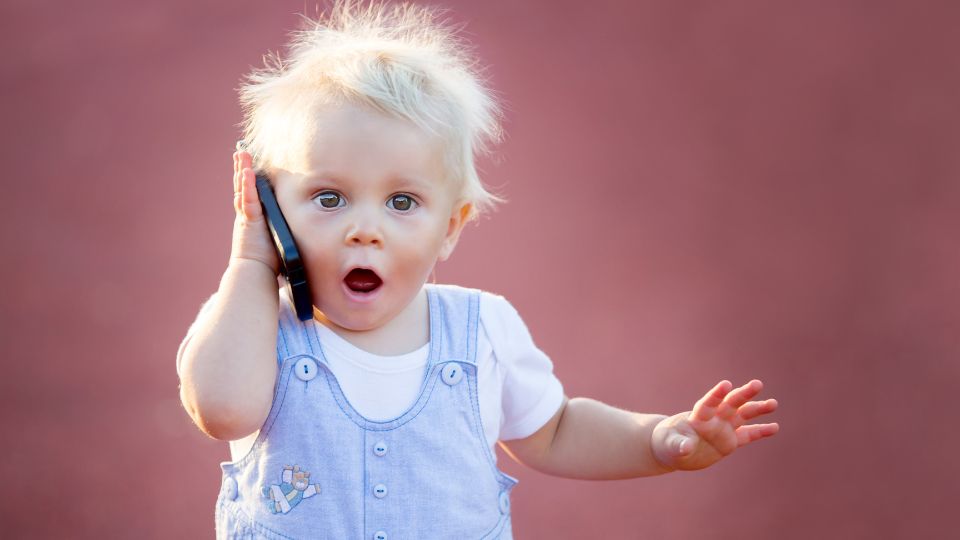
Facial expressions are like the emojis of real life. They can say a lot without uttering a single word. From joyful smiles to furrowed brows of confusion, our faces are capable of expressing a wide range of emotions. Mastering the art of facial expressions can help us communicate more effectively, as people are naturally drawn to and influenced by these visual cues. So, let’s dive into the world of facial expressions and discover how they can enhance our communication skills.
Understanding Facial Expressions and Their Meanings
Basic Facial Expressions
Let’s start with the basics. There are several universally recognized facial expressions that convey specific emotions. These include happiness, sadness, anger, surprise, fear, and disgust. Being able to recognize and interpret these expressions can help us better understand the emotions of others and adjust our own communication accordingly. Remember, a smile goes a long way, but a scowl may not get you very far!
Interpreting Microexpressions
Now, we’re diving into the world of microexpressions – those fleeting facial expressions that can reveal what someone is truly feeling, even if they try to hide it. Microexpressions are incredibly quick, lasting just a fraction of a second. Learning to spot these subtle cues can give us valuable insights into the thoughts and emotions people may be trying to conceal. So, sharpen your detective skills and get ready to decode those lightning-fast facial expressions!
Enhancing Gestures to Amplify Communication
Types of Gestures
Gestures are like the body language of communication. They can add depth and emphasis to our words, making our messages more captivating and memorable. There are various types of gestures, ranging from illustrators that help illustrate our words, to emblems that have specific meanings within a cultural context. By understanding the different types of gestures, we can incorporate them into our communication to enhance our overall message.
Using Gestures to Enhance Verbal Messages
When words alone aren’t enough, gestures come to the rescue! They can help clarify and reinforce our messages, making them more engaging and persuasive. Think of gestures as your silent sidekicks, supporting your words and making them come alive. So, embrace your inner performer and let your hands do the talking!
Techniques for Developing Facial Expressions and Gestures
Facial Expression Exercises and Training
Just like a good workout, our facial expressions need exercise too! There are various exercises and techniques that can help us develop our facial expressiveness. From mirror practice to acting exercises, we can strengthen our facial muscles and become more expressive communicators. So, get ready to flex those facial muscles and unleash the power of your expressions!
Practicing Effective Gestures
Practice makes perfect, and the same applies to gestures. Whether it’s practicing in front of a mirror or recording yourself, honing your gesture skills is all about repetition and refinement. By being mindful of your body language and experimenting with different gestures, you can become a more confident and effective communicator. So, wave, point, and nod your way to communication greatness!
Non-Verbal Cues in Different Cultural Contexts
Cultural Variations in Facial Expressions
When it comes to facial expressions, it turns out that a smile doesn’t always mean the same thing everywhere. Different cultures have different interpretations of facial cues, making it crucial to navigate non-verbal communication with sensitivity. So, while a grin might mean happiness in your culture, it could be misinterpreted as sarcasm or even aggression in another. Make sure to do your homework before flashing your pearly whites abroad!
Gestures and Body Language Across Cultures
Gestures and body language are like secret codes that can vary greatly across cultures. A friendly thumbs-up might be offensive in certain places, and crossing your legs might give off different signals depending on the country you’re in. It’s like a global game of charades, where the rules change with every move. If you’re a frequent traveler or just want to avoid unintentional hand gestures gone wrong, take the time to learn about the cultural norms of the places you’re visiting. Trust us, it’ll save you from some awkward moments!
The Role of Body Language in Non-Verbal Communication
Understanding Body Language Signals
Have you ever wondered what your body is saying when your mouth is closed? Well, it turns out that your body has a whole vocabulary of its own. From crossed arms conveying defensiveness to a slouched posture portraying disinterest, mastering body language signals can help you better understand others and be understood yourself. So, pay attention to those unspoken messages and you’ll be able to decipher the hidden meanings behind each shoulder shrug or eyebrow raise.
Enhancing Body Language for Effective Communication
If you want to take your non-verbal communication skills to the next level, it’s time to become a body language maestro. Start by maintaining good posture to project confidence and openness. Practice making eye contact to show engagement and interest, but be mindful not to creep people out with a stare-down. And remember, a genuine smile can work wonders in building connections. With a little practice, you’ll be speaking volumes without uttering a single word!
Utilizing Non-Verbal Cues for Effective Presentations
Using Facial Expressions and Gestures in Presentations
Presentations don’t have to be as boring as a lecture on the history of lint. By incorporating engaging facial expressions and gestures, you can keep your audience captivated and awake. Use your eyebrows to add emphasis, your hands to illustrate your points, and your face as a canvas to express a whole range of emotions. Just be careful not to go overboard and end up looking like a wannabe mime. Balance is key!
Practicing Non-Verbal Communication Skills for Public Speaking
Public speaking can be nerve-wracking, but mastering non-verbal cues can help you conquer the stage like a confident superstar. Practice your delivery in front of a mirror and pay attention to your body language. Avoid fidgeting or pacing like a caged animal and instead, use purposeful movements to emphasize your key messages. And remember, a warm smile and a nod can make your audience feel like you’re speaking directly to them. So, go forth and dazzle the crowd with your non-verbal prowess!
Improving Non-Verbal Communication in Personal Relationships
Enhancing Non-Verbal Cues in Romantic Relationships
In matters of the heart, non-verbal communication can make or break a relationship. Whether it’s a lingering gaze that says, “I adore you” or a playful nudge that means, “I’m teasing,” mastering these cues can deepen your romantic connection. Of course, it’s essential to understand that not everyone speaks the same non-verbal language. So, take the time to learn your partner’s unique cues and communicate your own effectively. After all, actions can sometimes speak louder than words, especially when you’re in the language of love.
Non-Verbal Communication in Friendships and Family Dynamics
Non-verbal communication isn’t just for romantic relationships; it plays a vital role in friendships and family dynamics too. A comforting touch, a wink shared with a sibling, or a knowing smile with a best friend can all strengthen these bonds. Understanding and using non-verbal cues effectively can help us navigate arguments, show support, and express empathy without saying a word. So, next time you find yourself in a heated debate with your sibling, consider a well-timed eye roll instead of a shouting match. It might just work wonders!
In conclusion, developing and refining our non-verbal communication skills, particularly in the realm of facial expressions and gestures, can have a profound impact on how we connect with others. By understanding the power of non-verbal cues, practicing techniques to enhance them, and considering cultural contexts, we can become more effective communicators in all aspects of our lives. So let’s strive to pay attention to our non-verbal signals, continuously improve our non-verbal communication, and reap the benefits of more meaningful and impactful interactions with those around us.
FAQ
Are non-verbal cues like facial expressions and gestures universal?
Non-verbal cues, including facial expressions and gestures, can vary across cultures to some extent. While some expressions may be universally recognized, others can be influenced by cultural norms and contexts. It is essential to be aware of these cultural variations when interpreting and utilizing non-verbal cues in different settings.
Can I improve my non-verbal communication skills?
Absolutely! Non-verbal communication skills can be developed and enhanced with practice and awareness. By paying attention to your own body language, facial expressions, and gestures, as well as observing others, you can start becoming more proficient in non-verbal communication. Techniques such as exercises, training, and working with a communication coach can also help improve these skills.
How can non-verbal cues enhance my public speaking abilities?
Non-verbal cues play a significant role in public speaking. By effectively utilizing facial expressions and gestures, you can add emphasis, clarity, and engagement to your spoken words. Non-verbal cues can help convey your confidence, passion, and sincerity, making your message more compelling and memorable to your audience.
Can improving non-verbal communication positively impact my personal relationships?
Absolutely! Non-verbal cues are essential in personal relationships as well. By being more aware of your non-verbal signals and learning to interpret them in others, you can establish better connections and understanding. By using appropriate facial expressions and gestures, you can express empathy, support, and affection, fostering stronger and more meaningful relationships with your loved ones.