Mastering Agile Mindset: A Guide to Effective Agile Coaching
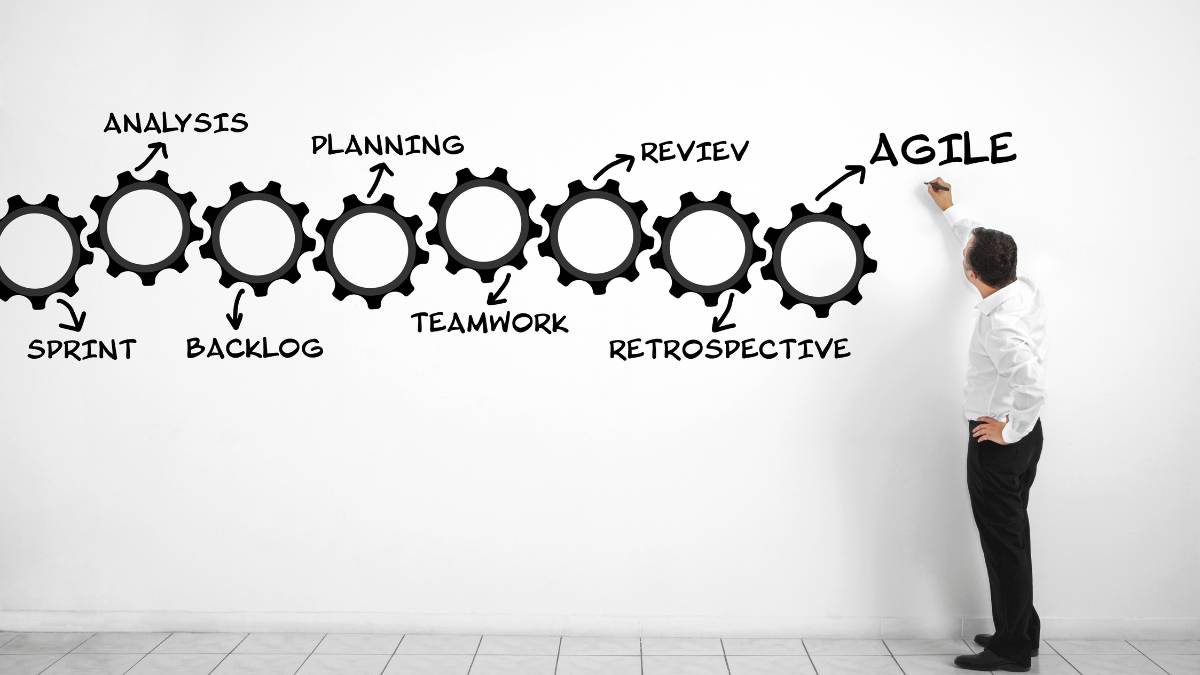
Agile coaching has emerged as a crucial role in organizations adopting agile methodologies. As businesses strive to become more adaptable, collaborative, and responsive, the need for skilled professionals to guide teams and individuals through the agile transformation process has become paramount. Agile coaches bring a unique blend of technical expertise, facilitation skills, and leadership abilities to help teams and organizations embrace agility and achieve their goals. This article explores the fundamental concepts of agile coaching, delving into the role of an agile coach, key principles and values, coaching techniques and practices, skill development, challenges faced, measuring the impact, and future trends in the field. By understanding the essence of agile coaching, organizations can unleash their full potential and navigate the complexities of the modern business landscape with agility and confidence.
Introduction to Agile Coaching
Agile coaching is like having a personal trainer for your team, but instead of getting physically fit, you’re getting agile-fit. It’s all about helping teams embrace the agile mindset and methodologies to improve collaboration, productivity, and overall success.
Definition of Agile Coaching
At its core, agile coaching involves guiding and supporting teams, individuals, and organizations in adopting and implementing agile practices. An agile coach acts as a facilitator, mentor, and cheerleader, helping teams navigate the challenges and reap the benefits of agile methodologies.
Brief History and Evolution of Agile Coaching
Agile coaching emerged alongside the rise of agile software development methodologies in the early 2000s. Initially, the focus was on coaching agile teams, but it quickly expanded to include coaching at the individual and organizational levels. Over time, agile coaching has evolved to address the unique needs and complexities of different industries and domains.
The Role of an Agile Coach
Think of an agile coach as a guiding star, lighting the way for teams as they navigate the agile universe. The coach doesn’t dictate or enforce practices but rather facilitates and empowers teams to find their own path to agility.
Responsibilities of an Agile Coach
An agile coach wears many hats, from mentor and facilitator to mediator and strategist. They help teams clarify goals, remove obstacles, foster collaboration, and continuously improve their agile practices. They also work closely with leaders and stakeholders to ensure alignment and create a supportive agile culture.
Qualities and Skills of an Effective Agile Coach
To be an effective agile coach, you need a mix of soft skills, deep knowledge of agile principles, and a healthy dose of empathy. Good communication, adaptability, patience, and the ability to inspire and motivate others are essential. A dash of humor doesn’t hurt either – after all, agile should be fun!
Key Principles and Values of Agile Coaching
Agile coaching is grounded in the values and principles of the Agile Manifesto. It’s all about embracing change, fostering collaboration, and delivering value to customers. These principles guide how agile coaches approach their work and help teams reap the benefits of agility.
Agile Manifesto and its Influence on Coaching
The Agile Manifesto highlights the importance of individuals and interactions, working software, customer collaboration, and responding to change. Agile coaches embody these values by fostering open communication, helping teams deliver working software incrementally, involving customers throughout the process, and embracing change as a source of opportunity.
Values and Principles Guiding Agile Coaching
Agile coaches follow values such as trust, respect, transparency, and continuous improvement. They prioritize collaboration over hierarchy, empower self-organizing teams, and encourage experimentation and learning. By embodying these principles, agile coaches create an environment where teams can thrive and unleash their full potential.
Agile Coaching Techniques and Practices
Agile coaching isn’t just about theory – it’s about equipping teams with practical tools and techniques to succeed in an agile world. Here are some tried and tested approaches used by agile coaches:
Facilitation Techniques for Agile Teams
Agile coaches use various facilitation techniques to foster effective collaboration within agile teams. From planning poker to retrospectives, these techniques help teams make decisions, solve problems, and drive continuous improvement.
Agile Coaching Tools and Frameworks
There are numerous tools and frameworks available to support agile coaching. Scrum, Kanban, and Lean are some popular frameworks that provide structure and guidance for agile teams. Tools like Jira, Trello, and Slack help facilitate agile practices and enhance communication and transparency.
Collaborative Problem-Solving Approaches
Agile coaches encourage teams to adopt collaborative problem-solving approaches, such as design thinking or lean startup methodologies. These approaches help teams tackle complex problems, validate assumptions, and deliver user-centric solutions.
So, whether you’re new to agile or already deep in the agile trenches, agile coaching can be your secret weapon to unlocking the full potential of your team and organization. Embrace the agile mindset, find an agile coach who’s equal parts mentor and cheerleader, and get ready to take your agility to the next level!
Developing Agile Coaching Skills and Competencies
Continuous Learning and Self-Improvement
As an agile coach, there’s one thing you can’t afford to do: stop learning. Agile is a constantly evolving methodology, and to keep up with the latest trends and best practices, continuous learning is essential. Attend conferences, read books, and engage with the agile community to stay updated and improve your skills.
Building Rapport and Trust with Agile Teams
As an agile coach, you’ll be working closely with agile teams, and building rapport and trust is crucial for effective coaching. Take the time to understand each team member’s strengths, weaknesses, and communication styles. Be approachable, available, and empathetic. Remember, trust is earned, so be reliable, honest, and supportive.
Deepening Technical Knowledge for Agile Coaching
While you don’t need to be a technical expert as an agile coach, having a deep understanding of the technical aspects can greatly enhance your coaching effectiveness. Educate yourself on the technical tools and frameworks your teams are using. This knowledge will help you anticipate challenges, provide targeted guidance, and foster collaboration between technical and non-technical team members.
Overcoming Challenges in Agile Coaching
Dealing with Resistance to Change
Change is hard, and resistance is inevitable. As an agile coach, you’ll often encounter resistance from team members, stakeholders, and even management. To overcome this challenge, clearly communicate the benefits of agile practices and address concerns. Involve the resistant individuals in the decision-making process and provide support and training to ease the transition.
Addressing Communication and Collaboration Issues
Effective communication and collaboration are the cornerstones of agile development. However, issues in these areas can hinder progress and lead to misunderstandings. As an agile coach, it’s your responsibility to facilitate open and transparent communication channels, encourage active listening, and promote a culture of collaboration. Address conflicts and encourage constructive feedback to build stronger teams.
Managing Conflict within Agile Teams
Conflict is a natural part of working in a team, but it can be detrimental if not managed properly. As an agile coach, it’s your role to help team members navigate conflicts and find resolutions. Create a safe space for open dialogue, practice active mediation, and encourage empathy and understanding. By promoting a positive conflict resolution approach, you can turn conflicts into opportunities for team growth.
Measuring the Impact of Agile Coaching
Identifying Key Metrics for Evaluating Agile Coaching Success
Measuring the impact of agile coaching is essential to understand its effectiveness and make improvements. Identify and track key metrics that align with your coaching goals, such as improved delivery time, increased customer satisfaction, or reduced defects. Regularly evaluate these metrics to assess the progress and adjust your coaching strategies accordingly.
Establishing Feedback Loops and Continuous Improvement
Feedback is invaluable for agile coaching. Establish feedback loops with agile teams and stakeholders to gather insights and perspectives on your coaching efforts. Actively seek feedback, both positive and constructive, and use it to refine your coaching approach. Embrace a mindset of continuous improvement, where you learn from each coaching experience and apply those learnings to future engagements.
Future Trends in Agile Coaching
Agile Coaching in Remote and Distributed Teams
With the rise of remote work and distributed teams, agile coaching is adapting to this new reality. Agile coaches need to explore innovative ways to facilitate collaboration, communication, and team dynamics in virtual environments. Embrace technology tools, leverage video conferencing, and find creative solutions to keep teams engaged and aligned.
Embracing Agile Coaching in Non-Software Development Contexts
Agile methodology is not limited to software development anymore. Many industries, such as marketing, HR, and finance, are embracing agile practices to improve their processes and outcomes. Agile coaches have an exciting opportunity to expand their horizons and apply agile principles in non-software development contexts. Adaptation and customization of agile frameworks are key to success in these diverse domains. In conclusion, agile coaching plays a crucial role in guiding organizations towards successful agile transformations. By embracing the principles and values of agility, developing coaching skills and competencies, and overcoming challenges along the way, agile coaches empower teams to thrive in a rapidly changing environment. The ability to measure the impact of agile coaching and adapt to future trends ensures continuous improvement and sustained success. With agile coaching as a driving force, organizations can foster a culture of collaboration, innovation, and continuous learning, ultimately achieving their goals and delivering value to their customers.
FAQ
What is the role of an agile coach?
An agile coach plays a crucial role in guiding teams and organizations through agile transformations. They facilitate the adoption of agile principles, guide teams in implementing agile practices, and help create a culture of collaboration, continuous learning, and self-improvement. Agile coaches also provide support, mentorship, and training to individuals and teams, helping them navigate challenges and maximize their potential in the agile environment.
How do agile coaches measure the impact of their coaching?
Agile coaches measure the impact of their coaching through various methods. They may assess team performance metrics, such as cycle time, velocity, and quality, to determine the effectiveness of agile practices. Feedback from team members, stakeholders, and leaders is also valuable in evaluating the impact of coaching. Additionally, agile coaches may conduct retrospective sessions to gather insights and identify areas for improvement, ensuring continuous learning and growth.
What are some common challenges faced by agile coaches?
Agile coaches often encounter challenges during their coaching journey. Resistance to change, lack of understanding or buy-in from stakeholders, and communication issues within teams are common hurdles. Additionally, navigating organizational culture, addressing conflicts, and managing expectations can pose challenges for agile coaches. However, with effective communication, facilitation skills, and a growth mindset, agile coaches can overcome these challenges and drive positive change.
Can agile coaching be applied outside of software development?
Absolutely! While agile methodologies initially gained popularity in the software development industry, the principles and practices of agile coaching can be applied to various domains. Agile coaching can benefit teams and organizations in marketing, human resources, product development, and other areas where adaptability, collaboration, and iterative approaches are valuable. Agile coaching principles can be tailored to suit the specific needs and context of different industries and domains.
Read More | Popular Coaching Niches | Sales Training | Christian Life Coaching | Christian NLP Coaching |
Coach Directory | Linked | Academy of Influence | FJVR | Fire| Instagram | Campsite| Speaker| Reader | News 24 |