
Mentoring for Excellence: The Role of Sports Coaching in Athlete Development
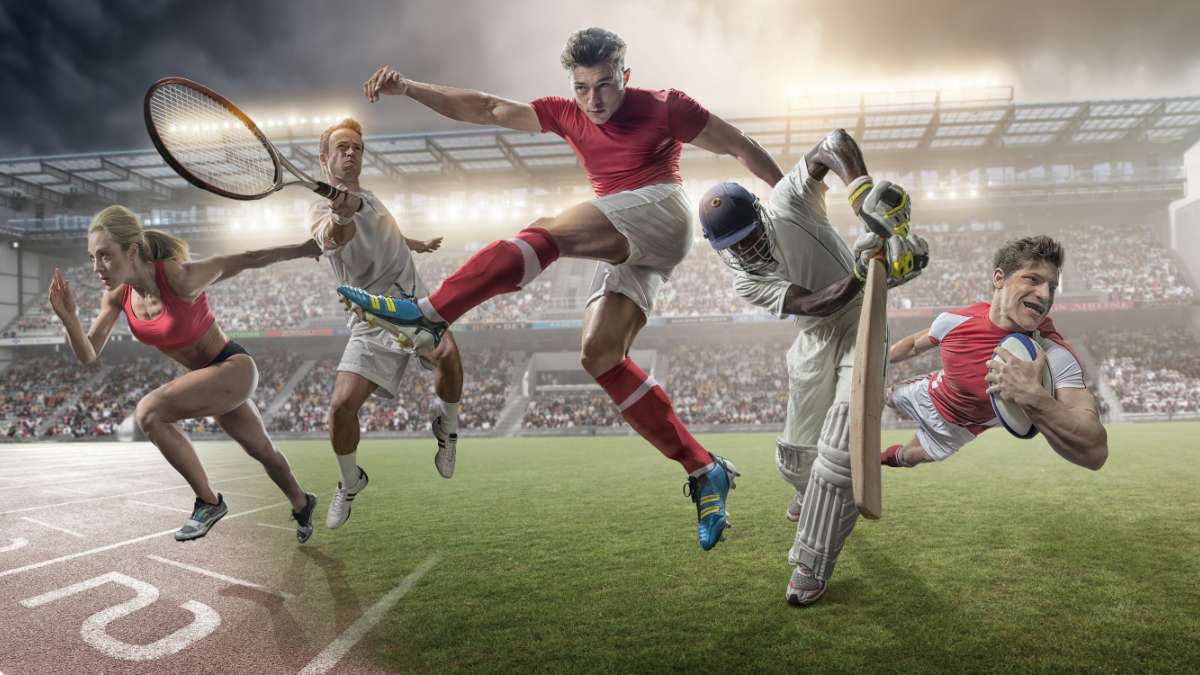
Sports coaching plays a pivotal role in the development and success of athletes across various disciplines. A sports coach is not only responsible for imparting technical skills and knowledge but also plays a crucial part in fostering motivation, teamwork, and personal growth. This article delves into the world of sports coaching, exploring the fundamental aspects that contribute to effective coaching strategies. From understanding the responsibilities of a coach to cultivating essential skills, devising training programs, and evaluating athlete performance, this comprehensive guide aims to shed light on the multifaceted nature of sports coaching and its significance in cultivating talent and achieving sporting excellence.
Introduction to Sports Coaching
What is Sports Coaching?
Sports coaching is like being a supercharged cheerleader, but with a lot more knowledge and expertise. It’s the art of guiding athletes to reach their full potential while also helping them develop important life skills. Think of sports coaching as a mix of strategy, motivation, and a touch of magic.
Historical Background of Sports Coaching
Sports coaching has been around since the ancient Greeks decided to run around naked in the Olympics. Okay, maybe not exactly like that, but coaching has been an integral part of sports for centuries. From the early days of organized sports to the modern era, coaches have played a vital role in shaping athletes’ performances and pushing the boundaries of human potential.
Importance and Benefits of Sports Coaching
Sports coaching isn’t just about winning games or medals. It’s about so much more. Coaches are like life mentors, teaching athletes teamwork, discipline, resilience, and how to handle both success and failure. A good coach can change lives, instilling valuable skills that extend far beyond the playing field. Plus, let’s not forget the countless competitive victories and unforgettable moments that a great coach can help achieve.
Role and Responsibilities of a Sports Coach
Defining the Role of a Sports Coach
Being a sports coach is like juggling a horde of energetic puppies. You’re responsible for guiding and supporting athletes in their physical training, mental well-being, and overall development. You’re the leader, motivator, and sounding board all in one. It’s a job that requires patience, passion, and a willingness to wear many hats (figuratively, of course).
Responsibilities Towards Athletes
Coaches aren’t just there to blow whistles and shout orders. They’re there to be a supportive mentor, providing guidance on technique, tactics, and helping athletes overcome obstacles. Coaches have a duty to ensure the well-being and safety of their athletes, both physically and emotionally. They’re like the guardian angels of the sporting realm, just with better sports gear.
Collaborating with Support Staff
Coaches aren’t lone wolves. They rely on the support of a team behind the scenes. From strength and conditioning coaches to sports psychologists, nutritionists, and medical professionals, coaches collaborate with a range of experts to provide athletes with the best possible support system. It’s like a superhero team, but instead of saving the world, they’re focused on helping athletes achieve greatness.
Essential Skills and Qualities of a Sports Coach
Leadership and Motivation
Coaches need to be charismatic leaders who can inspire a team to go that extra mile (literally). They’re the cheerleaders and strategists rolled into one, using their energy and motivation to drive athletes towards success. A pumping fist and a well-timed pep talk can work wonders.
Knowledge of the Sport
Coaches need to be more than just passionate fans of a sport; they need to be walking encyclopedias. In-depth knowledge of the game, rules, tactics, and strategy is essential. You can’t coach a team if you don’t know what you’re talking about. It’s like trying to bake a cake without knowing which end of the spoon to use.
Effective Decision Making
Coaches are like quarterbacks, calling the shots and making split-second decisions. They need to be able to think on their feet (or preferably, on the sidelines) and make strategic choices that can turn the tide of a game. A coach’s decision-making ability can be the difference between victory and defeat, so the pressure is on.
Coaching Techniques and Strategies
Understanding Different Coaching Styles
Coaches have their own unique flavors, just like ice cream. Different coaching styles suit different athletes and situations. Some coaches are strict drill sergeants, while others are more like supportive friends. Understanding these styles and adapting to the needs of individual athletes can make all the difference in their growth and performance.
Tailoring Strategies to Individual Athletes
Just as no two snowflakes are the same, no two athletes are identical (unless we’re talking about identical twins playing a sport together, which would be quite a sight). Coaches must tailor their strategies and training methods to suit each athlete’s strengths, weaknesses, and goals. It’s like a personalized training plan that takes into account each athlete’s unique needs.
Implementing Effective Training Methods
Coaches are like mad scientists in a laboratory, constantly experimenting with new training methods to enhance performance. From interval training to visualization exercises, they explore all the tricks in the book to help athletes reach their peak. It’s like a scientific quest, except instead of searching for the meaning of life, they’re searching for that perfect winning formula.
Effective Communication in Sports Coaching
Communication plays a crucial role in sports coaching. It’s like the high-five of coaching – it connects you with your athletes and helps you convey your ideas, strategies, and motivation. So, let’s dive into the world of effective communication skills, both verbal and non-verbal.
Importance of Communication Skills
Think of communication skills as your secret coaching superpower. They allow you to build trust, establish rapport, and inspire your athletes to give it their all. By being clear, concise, and encouraging, you can effectively convey instructions, provide feedback, and address any concerns your athletes may have. Good communication skills also help you understand your athletes better, so you can support their individual needs and aspirations.
Verbal and Non-verbal Communication Techniques
Verbal communication is all about the words you use – the way you explain drills, describe techniques, or motivate your team. But remember, it’s not just about what you say; it’s also about how you say it. Your tone, enthusiasm, and energy can make a significant impact. On the other hand, non-verbal communication involves body language, facial expressions, and gestures. A smile, a thumbs-up, or a confident posture can speak volumes and reinforce your message.
Active Listening and Feedback
While it’s essential to master the art of speaking, being an effective sports coach also means being a great listener. Active listening involves giving your full attention to your athletes, understanding their concerns, and responding thoughtfully. When providing feedback, remember to focus on the positives, identify areas for improvement, and offer constructive suggestions. And hey, don’t forget to celebrate the small wins along the way!
Planning and Implementing Training Programs
Picture this: You’re the mastermind behind a perfectly structured training session that will push your athletes towards greatness. Ah, the beauty of planning and implementing training programs!
Assessing Athletes’ Needs and Goals
Before diving headfirst into designing training sessions, take a moment to understand your athletes’ individual needs and goals. Conduct assessments, observe their performance, and have open conversations to identify areas of improvement. By tailoring your training program to meet their specific requirements, you’ll create an environment that maximizes their potential.
Designing Structured Training Sessions
Structure, my friend, is key. Break down your training sessions into manageable chunks, focusing on different skills, techniques, and strategies. This way, you can build a solid foundation and gradually progress towards more complex challenges. Incorporate variety and create a balance between drills, practice games, and physical conditioning. Oh, and don’t forget to keep it fun – nobody likes a monotonous training session!
Monitoring and Adapting Training Programs
Training programs are not set in stone. As a coach, you need to monitor your athletes’ progress, track their performance metrics, and be ready to adapt and make necessary adjustments. Keep an open line of communication with your athletes to receive feedback on what works and what doesn’t. Flexibility is the name of the game – embrace it and watch your athletes thrive.
Athlete Development and Performance Evaluation
Coaching isn’t just about the here and now; it’s about nurturing your athletes’ long-term development and assessing their progress along the way. Let’s dig deeper into these aspects.
Long-term Athlete Development Models
Long-term athlete development is like tending to a beautiful garden – it requires patience, nurturing, and a well-thought-out plan. Familiarize yourself with different athlete development models that take into account physical, technical, psychological, and social aspects. This knowledge will guide you in creating a comprehensive pathway towards success for your athletes.
Tracking Progress and Performance Metrics
Regularly tracking your athletes’ progress is like having a roadmap to success. By setting performance metrics and using data-driven insights, you can monitor their improvement, identify strengths and weaknesses, and guide your coaching decisions. Plus, it adds a bit of friendly competition – who doesn’t like to see their progress on paper?
Providing Constructive Feedback
Feedback is a gift, my friend. And as a coach, it’s your job to give it wisely. When providing feedback, focus on the specific areas your athletes can improve rather than personal critiques. Be constructive, supportive, and offer guidance on how they can enhance their skills. Remember, your athletes are on a journey, and your feedback can be the fuel that propels them forward.
Ethical Considerations in Sports Coaching
Coaching is not just about drills and tactics; it’s about instilling values and creating a safe and fair environment for your athletes. Let’s explore the ethical side of sports coaching.
Ensuring a Safe and Supportive Environment
Safety first, always. As a coach, it’s your responsibility to create an environment where your athletes feel secure, both physically and emotionally. Implement proper safety protocols, provide necessary equipment, and promote sportsmanship and respect. Foster a supportive atmosphere where athletes can learn, grow, and thrive.
Upholding Fair Play and Sportsmanship
Sports are all about fairness and sportsmanship. Encourage your athletes to play by the rules, respect opponents, and value teamwork. Emphasize the importance of integrity and ethical behavior both on and off the field. Remember, winning is great, but winning with integrity is even better.
Addressing Ethical Dilemmas in Coaching
Coaching may occasionally throw ethical dilemmas your way. It could be a conflict of interest, dilemmas related to performance-enhancing substances, or unfair treatment. When faced with such situations, take a step back, evaluate the circumstances, and make decisions that align with your values and the well-being of your athletes. Seek guidance if needed, because, let’s face it, even coaches need a coach sometimes!
And there you have it, my coaching compadre – the keys to effective communication, planning and implementing training programs, athlete development, and ethical considerations. Remember, coaching is not just a role; it’s a privilege. Use your wit, personality, and passion to help your athletes flourish.
In conclusion, sports coaching is a dynamic and influential profession that holds the power to shape athletes both on and off the field. From the foundational principles of effective communication and leadership to the meticulous planning of training programs and the ethical considerations that guide the coach-athlete relationship, the impact of a skilled coach cannot be understated. By embracing the knowledge and techniques shared in this article, aspiring coaches can embark on a journey of mentorship, empowerment, and development, ultimately leaving a lasting impression on the athletes they guide towards their full potential.
Frequently Asked Questions
What qualifications are necessary to become a sports coach?
While specific qualifications may vary depending on the sport and country, most sports coaching positions require a relevant coaching certification or accreditation. This often involves completing coaching courses, gaining practical experience, and obtaining certifications from recognized coaching bodies or associations.
How important is communication in sports coaching?
Communication is vital in sports coaching as it forms the foundation for effective coach-athlete relationships. Clear and concise communication allows coaches to convey instructions, provide feedback, and motivate athletes. It enables coaches to understand athletes’ needs, address concerns, and foster a positive and supportive training environment.
How can coaches tailor training programs to individual athletes?
Coaches can tailor training programs to individual athletes by considering their unique strengths, weaknesses, goals, and physical capabilities. This involves conducting assessments, utilizing performance data, and designing personalized training plans that address specific areas for improvement while capitalizing on the athlete’s strengths.
What ethical considerations should sports coaches keep in mind?
Sports coaches should prioritize the well-being and safety of their athletes, ensuring they are not subjected to physical or emotional harm. They should promote fair play, sportsmanship, and integrity, discouraging any form of cheating or unethical behavior. Coaches must also respect athletes’ confidentiality, maintain professional boundaries, and address any conflicts of interest that may arise during their coaching tenure.
Read More | Popular Coaching Niches | Sales Training | Christian Life Coaching | Christian NLP Coaching |
Coach Directory | Linked | Academy of Influence | FJVR | Fire| Instagram | Campsite| Speaker| Reader | News 24 |